
Planting
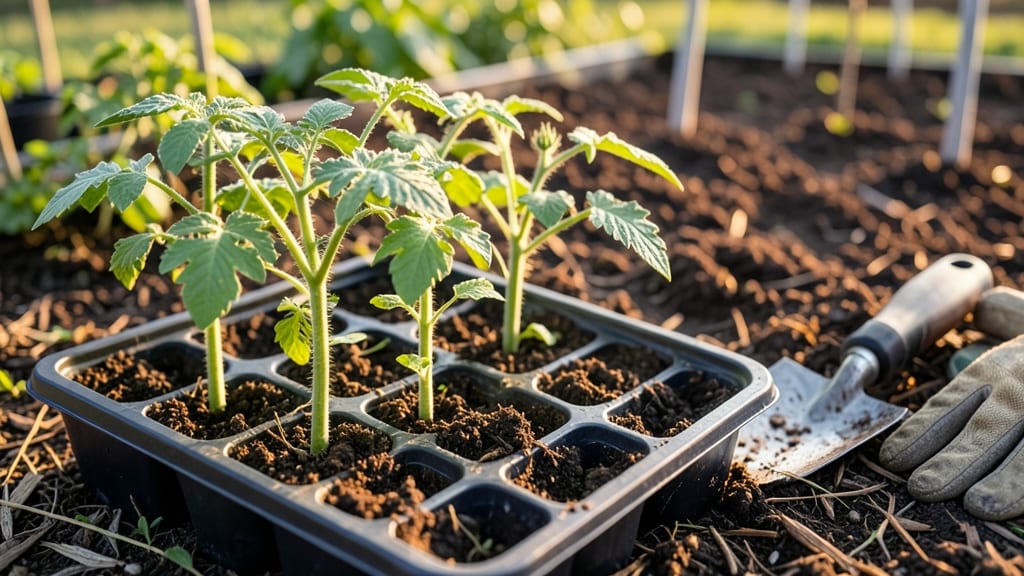
Planting tomato seedlings too early or too late can turn your garden dreams into a wilted mess—but getting the timing right means juicy, vine-ripened 🍅 rewards all season.
Picture this: you’ve nurtured your seedlings for weeks, only to rush them into cold soil and watch them struggle—or worse, bolt into flower before producing fruit. The key? Waiting until the soil warms to at least 60°F, even if the air feels spring-like.
In USDA Zone 6a, that usually means late April to early June, but your exact window depends on whether you’re growing heat-loving varieties or cooler-season types. Below, I’ll break down how to calculate your perfect planting date—plus tricks to extend the season if your frost-free days feel too short.
You’ll learn how to test soil temperature, adjust for regional quirks, and spot the signs your garden is finally ready—so you can skip the guesswork and start harvesting like a pro.
Ideal soil temperature ranges for planting tomato seedlings
Getting your tomato seedlings into the garden at the right time isn’t just about avoiding frost—it’s about soil temperature. Tomatoes thrive when roots can absorb warmth efficiently, and planting too early in cold soil stunts growth or invites disease.
The magic number? 50°F–60°F minimum, with 70°F+ being ideal for rapid establishment.
Why does temperature matter so much? Tomato roots struggle to absorb nutrients below 55°F, leading to yellowing leaves and weak stems. Even if daytime temps feel warm, nighttime soil temps below 60°F can shock seedlings.
Think of it like Goldilocks—too cold, and your plants will whimper; too hot (above 90°F), and they’ll wilt faster than a forgotten watering can.
Here’s the kicker: Air temperature ≠ soil temperature. A sunny 75°F day might feel perfect, but the soil could still be 50°F if it’s been cloudy or rainy. That’s why I always test soil temps before transplanting—it’s the secret to avoiding transplant shock.
🌱
| Soil Temp Range (°F) | Root Activity | Planting Readiness | Action Steps |
|---|---|---|---|
| Below 50°F | Very Slow | Not Ready | Delay transplanting; use row covers or cold frames. |
| 50°F–59°F | Slow | Marginal | Protect seedlings with mulch; avoid transplanting if nights dip below 50°F. |
| 60°F–69°F | Moderate | Ready | Ideal time to transplant; water deeply after planting. |
| 70°F–80°F | Fast | Optimal | Best conditions; monitor for wilting if temps exceed 85°F. |
| Above 85°F | Stressed | Risky | Use shade cloth; water at soil level to avoid leaf burn. |
To test your soil temperature, grab a soil thermometer (they’re cheap and lifesavers) and check temps 1–2 inches deep in the morning. If it’s below 60°F, wait it out—your seedlings will thank you with stronger roots and bigger yields.
Pro tip: Dark, moist soil warms up faster than dry or sandy soil, so amend with compost if your garden drains too quickly.
I once planted tomatoes in 55°F soil because the air felt warm, and my seedlings spent weeks struggling before finally catching up. Lesson learned: Trust the soil, not the sky.
If you’re in doubt, err on the side of waiting—tomatoes planted in 70°F+ soil can be harvest-ready 2–3 weeks faster than those in cooler conditions.
For northern climates, aim for late May or early June when soil temps consistently hit 60°F. In southern regions, you can plant as early as March or April, but watch for heat stress if temps climb above 90°F.
Use black plastic mulch or straw mulch to keep roots cool if needed.
One more trick: Warm your soil faster by covering beds with clear plastic for a week before planting. This raises temps by 5–10°F without extra work. Just remove the plastic 24 hours before transplanting to avoid shocking the roots with sudden temperature swings.
🌿
Remember, tomato seedlings are delicate but resilient. With the right soil temperature, they’ll establish roots quickly and reward you with juicy, vine-ripened tomatoes all season. Now grab that thermometer, and let’s get those seedlings in the ground at the perfect moment!
☀️
Last frost date vs. heat tolerance: regional planting timelines
Understanding your last frost date and your tomato variety's heat tolerance is the key to planting seedlings at the perfect time. Cool-season varieties like Cherry Tomatoes handle lighter frosts better than heat-loving Beefsteak Tomatoes, which need consistent warmth.
Your USDA zone and local climate determine when to plant—whether it's mid-April in Zone 8 or late May in Zone 4.
Start by checking your average last frost date (find it via the National Weather Service or USDA Plant Hardiness Zone Map). Then, add 2-3 weeks to this date—this gives seedlings time to establish roots before summer heat arrives.
For example, if your last frost is April 15, aim for May 1-15 planting. Adjust for short-season varieties by planting earlier, while long-season tomatoes can wait until soil warms.
| Region (USDA Zone) | Last Frost Date | Ideal Planting Window | Best Varieties | Heat Tolerance Tip |
|---|---|---|---|---|
| Zones 3-5 (Cold Climates) | Mid-May | Late May - Early June | Early Girl, Stupice | Use row covers for early starts |
| Zones 6-7 (Temperate) | Early April | Late April - Mid-May | Brandywine, Sungold | Plant heat-tolerant varieties |
| Zones 8-10 (Warm Climates) | Mid-February | Late February - Early April | Celebrity, Roma | Avoid summer planting; use shade cloth |
In Zones 3-5, where frosts linger late, opt for early-maturing varieties like Stupice or Mountain Merit. These handle cooler soils and shorter seasons better. For Zones 6-7, you’ve got flexibility—plant heat-tolerant varieties like Brandywine or Sungold in early spring or late summer for a second crop.
Meanwhile, Zones 8-10 gardeners can plant year-round but must avoid mid-summer heat, which stresses plants. Instead, focus on spring and fall plantings.
Pro tip: Use mulch to regulate soil temperature and extend your planting window. A 2-3 inch layer of straw or shredded leaves keeps roots cool in summer and warm in spring.
For short-season areas, try cold frames or row covers to jumpstart growth. These tricks help you plant 1-2 weeks earlier without risking frost damage.
If you’re unsure about your local conditions, test soil temperature with a soil thermometer. Tomatoes thrive when soil is at least 60°F (15°C), but 70°F+ (21°C+) is ideal for faster growth.
Wait until nighttime temps stay above 50°F (10°C)—this prevents blossom drop, where flowers fall off before fruiting. Patience here pays off with a healthier, more productive plant.
Remember, regional microclimates matter too. A south-facing slope warms faster than a north-facing valley, so adjust your timing accordingly. For example, if your garden sits in a sunny, sheltered spot, you might plant 1 week earlier than the average last frost date.
Always observe your garden’s unique behavior—it’s the best teacher for perfect timing!