
Planting
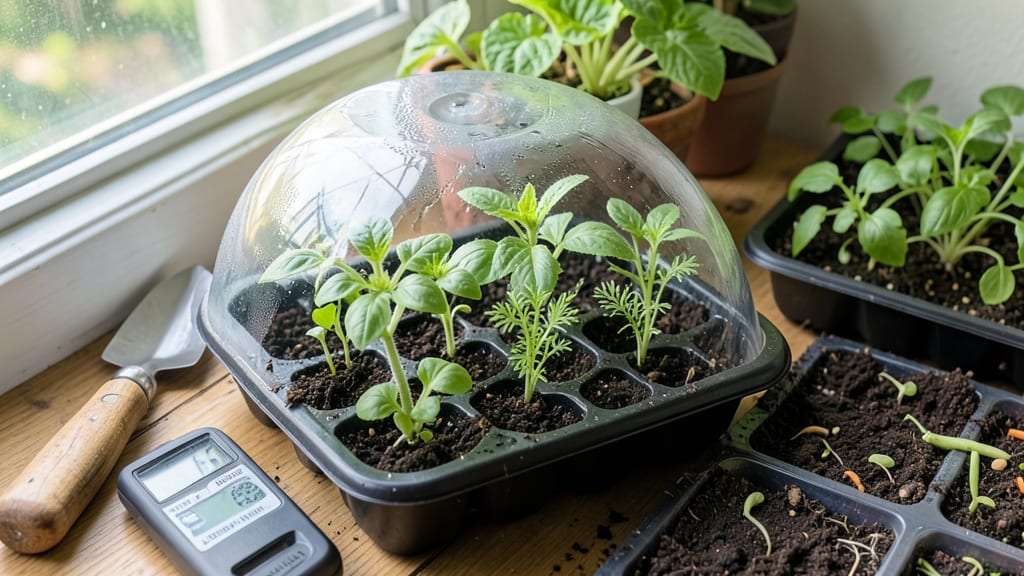
To plant seeds in garden at the right time means catching that narrow window between frost and heat—miss it, and you’re either waiting for soil to warm or watching seedlings bolt in the sun.
Timing your seed planting perfectly can mean the difference between a thriving garden and wasted effort—yet many gardeners still guess instead of using science-backed frost date guidelines.
In Zone 6a, where spring arrives around April 15, cool-season crops like lettuce and peas can go in as early as March, while warm-season favorites like tomatoes need to wait until after the last frost. The key? Checking soil temperature and adjusting for your microclimate.
Below, I’ll walk you through how to pinpoint your exact planting window, avoid common mistakes, and even extend your harvest with succession planting—so you’re not left scrambling when the weather turns.
How to calculate your last frost date for seed planting
Getting your seed planting timing right depends on knowing your last frost date. This critical date marks when nighttime temperatures stay consistently above 32°F (0°C) for the season.
Without this info, you risk planting too early and losing tender seedlings to frost—or waiting too long and missing your growing window. I’ll walk you through the exact steps to pinpoint your date using free tools and local data.
Start by checking your USDA hardiness zone, which divides the U.S. into 13 zones based on average minimum winter temperatures. Most seed packets reference these zones to guide planting.
For example, Zone 5 typically has a last frost around April 15, while Zone 9 might see frost-free conditions by February 15. But zones are just a starting point—your exact date depends on local microclimates.
Next, use the step-by-step method below to refine your frost date. This approach combines national averages with hyper-local adjustments. For instance, urban areas often experience urban heat islands that delay frost by 1–2 weeks compared to rural zones.
Meanwhile, valleys and low-lying areas frost earlier than hilltops. Let’s break it down so you can plant with confidence.
How to Find Your Last Frost Date
- 1 Find your USDA zone: Use the USDA Plant Hardiness Zone Map to locate your zone by ZIP code. Most gardeners fall between Zones 3–10.
- 2 Check historical frost data: Visit The Old Farmer’s Almanac or your local cooperative extension service for 10-year averages. Note the average last frost date for your zone.
- 3 Adjust for microclimates: Add or subtract 1–2 weeks based on your location. Urban areas? Add 7–14 days. Near a large body of water? Subtract 5–7 days. Valleys frost earlier—check with neighbors!
- 4 Use soil thermometers: For cold-sensitive crops like tomatoes or peppers, wait until soil temps reach 60°F (15°C). A $10 soil thermometer from your garden center is worth its weight in gold.
- 5 Verify with local gardeners: Join a Facebook gardening group or visit your county extension office. Locals often know frost quirks—like how your neighborhood’s frost date might differ from the official zone average.
Once you’ve nailed down your last frost date, add 2–4 weeks before planting warm-season crops like beans or cucumbers. These plants need warm soil to germinate.
For cool-season crops such as lettuce or spinach, you can plant 4–6 weeks before the last frost—or even in early spring for a fall harvest.
Pro tip: Bookmark this interactive USDA zone map and The Old Farmer’s Almanac’s frost calculator. These tools update annually and account for climate shifts. For example, my Zone 7b garden’s last frost date crept forward by 5 days last year compared to the 10-year average.
Don’t forget to account for first frost dates when planning fall crops. If your last frost is April 15, your first frost is likely October 15 (give or take 2 weeks).
Plant cool-season crops like kale or radishes 4–6 weeks before that date for a harvest before winter sets in. Use this rule of thumb: “First frost = last chance” for many vegetables.
For urban gardeners, heat from pavement and buildings can create a 5–10°F warmer microclimate than rural areas. If you’re in a city, test your garden’s frost tolerance by placing a frost-sensitive plant (like basil) outdoors overnight in early spring.
If it survives, you can push your planting window earlier. Conversely, if it wilts, wait another week.
Finally, use a garden journal to track your frost dates over 2–3 years. Climate change is shifting frost patterns—my Zone 6 garden now has a 10-day earlier last frost than my parents’ generation did.
By logging your observations, you’ll build a custom frost calendar tailored to your yard’s unique conditions. Happy planting!
Seed planting timeline by plant type (cool vs warm season)
Getting your seed planting timing right is the secret to a bountiful harvest. Cool-season crops thrive in 50-65°F soil and can handle light frosts, while warm-season plants need 60-85°F soil to germinate.
I’ll break down exactly when to plant each type based on your last frost date—plus succession planting tips to maximize your garden’s productivity.
Use this guide as your planting roadmap, adjusting dates by 2-4 weeks based on your local climate. For example, if your last frost is April 15, plant cool-season crops 4-6 weeks before that date, while warm-season crops go in 2 weeks after.
Always check seed packets for specific recommendations!
📋 Summary Table: Seed Planting Timeline by Type
| Plant Type | Direct Sow | Transplant | Succession Plant | Notes |
|---|---|---|---|---|
| Cool-Season Veggies | 4-6 wks before last frost | 2-4 wks before last frost | Every 2-3 wks until 6 wks before first frost | Lettuce, Spinach, Kale, Peas, Broccoli |
| Warm-Season Veggies | 1-2 wks after last frost | After soil reaches 60°F | Every 3-4 wks until 8 wks before first frost | Tomatoes, Peppers, Cucumbers, Beans, Corn |
| Herbs | 2-4 wks before last frost (cool) / after last frost (warm) | 2-3 wks after last frost | Every 4-6 wks (warm herbs) | Basil (warm), Parsley (cool), Cilantro (cool) |
| Flowers | 4-6 wks before last frost (annuals) | After frost danger passes | Every 3 wks (short-lived blooms) | Marigolds, Zinnias, Snapdragons, Pansies |
For succession planting, focus on fast-maturing crops like lettuce or radishes. I plant radishes every 2 weeks in spring for a continuous harvest, while bush beans get a second planting in mid-summer. This extends your harvest window by 4-6 weeks compared to a single planting!
Pro tip: Use row covers to plant cool-season crops 2-3 weeks earlier in spring or warm-season crops 2 weeks later in fall. This simple trick adds 30-45 extra frost-free days to your growing season—perfect for extending tomato or pepper harvests into October.
Always monitor your soil temperature with a probe (aim for 60°F+ for warm-season seeds). If your soil is too cold, your seeds may rot instead of sprouting. I keep a soil thermometer handy and wait for consistent warmth before planting tomatoes or peppers