
Planting
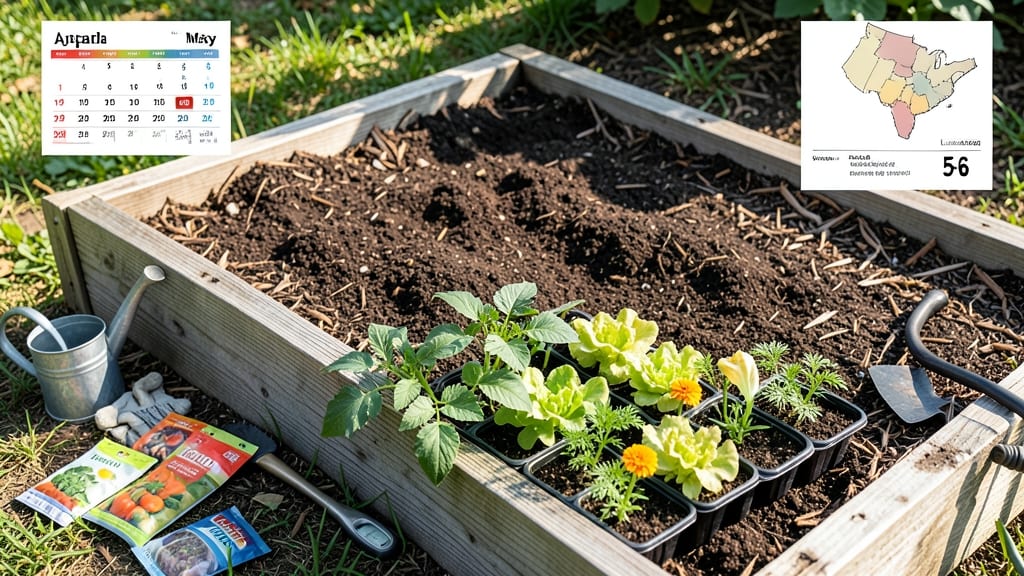
Planting a garden in Ohio at the right time means the difference between a bountiful harvest and a frost-killed disappointment.
Ohio’s unpredictable spring weather can turn your gardening dreams into a gamble—unless you know the exact last frost dates by county. Plant too early, and frost will kill your seedlings; too late, and you’ll miss peak harvests.
With USDA Zones 6a-6b and frost-free days averaging 165, timing is everything. Whether you’re sowing leafy greens in March or tomatoes in May, this guide gives you the precise windows to start your 🌱 garden without risk.
Here’s how to align your planting schedule with Ohio’s climate—plus adjustments for northern vs. southern counties, soil prep tips, and the best crops for each season.
Ohio last frost dates by county: your zero-risk planting calendar
Ohio’s last spring frost dates vary dramatically by county—from early April in southern regions like Adams County to late May in the northern Ashtabula area. These dates determine when you can safely plant cool-season vegetables like lettuce and peas without risking frost damage.
Using county-specific data ensures your garden thrives, whether you’re growing tomatoes in USDA Zone 6a or perennials in Zone 6b.
Below is your county-by-county frost calendar, including average last spring frost and first fall frost dates. I’ve also included actionable planting windows for vegetables, flowers, and perennials to help you plan with confidence.
For example, in Franklin County, you can start planting warm-season crops like peppers by May 15, while in Lucas County, wait until May 1 to avoid frost.
| County | Last Spring Frost | First Fall Frost | Plant Warm Crops After | Plant Cool Crops Before |
|---|---|---|---|---|
| Adams (Zone 6a) | April 15 | October 20 | April 30 | September 15 |
| Ashtabula (Zone 6a) | May 10 | October 10 | May 25 | September 1 |
| Franklin (Zone 6a) | April 20 | October 15 | May 5 | September 10 |
| Lucas (Zone 6b) | April 10 | October 25 | April 25 | September 20 |
| Summit (Zone 6a) | April 25 | October 10 | May 10 | September 5 |
*Dates are averages; monitor local forecasts for adjustments.
For southern Ohio counties like Adams or Lucas, you can start planting warm-season vegetables like tomatoes and peppers as early as late April. In contrast, northern counties like Ashtabula should wait until late May to avoid frost.
I recommend using frost blankets or row covers if you’re eager to plant earlier in cooler regions.
Perennials like daylilies and coneflowers can be planted in early spring (March–April) once the ground is workable, but tender perennials like canas should wait until after the last frost.
In USDA Zone 6a, which covers most of Ohio, spring-blooming bulbs like tulips can be planted in fall (October–November) for early spring color.
Fall planting is just as critical. In Franklin County, for example, you can still plant cool-season crops like spinach and kale until September 10.
Meanwhile, in Ashtabula County, the window closes by September 1. Plan your fall garden by checking your county’s first frost date and aiming
How to adjust planting times for Ohio’s microclimates and unpredictable weather
Ohio’s microclimates can create a 2-week difference in frost dates between northern Ashtabula County and southern Adams County. While the average last frost date hovers around mid-April, your local topography—like hills, lakes, or urban heat islands—can shift this window dramatically.
For example, Geauga County near Lake Erie might see frost linger until May 10, while Champaign County in central Ohio could be frost-free by April 15. Understanding these nuances lets you extend your growing season without risking frost damage.
Instead of relying solely on 10-year frost averages, I recommend tracking your own 3-year local data. Note the dates of the last 32°F frost in spring and first 32°F frost in fall for your specific yard.
Urban areas like Columbus often warm up faster than rural zones, while valleys can trap cold air. For instance, if your backyard sits in a frost pocket, wait 2 weeks longer than the county average before planting tomatoes or peppers.
🌱 numbered-highlights
- 1
- 2
- 3
- 4
- 5
For northern Ohio counties like Ashtabula or Trumbull, where frost can linger until May 15, I recommend starting cool-season crops indoors in February and using cold frames to jumpstart growth. In these areas, hardy varieties like ‘Winterbor’ kale or ‘Early Wonder’ peas thrive even with late frosts.
Meanwhile, southern Ohio gardeners in Adams or Lawrence County can plant tomatoes and peppers as early as April 20, thanks to warmer microclimates.
Don’t overlook urban heat islands—cities like Cincinnati or Cleveland can be 5-10°F warmer than rural areas, allowing you to plant heat-loving crops like okra or sweet potatoes earlier.
To adapt, check your local weather station data for the past 5 years and adjust your planting by 1-2 weeks based on trends. For example, if your neighborhood’s last frost has shifted from April 25 to April 15, you can safely plant warm-season crops sooner.
If you’re unsure about your microclimate, test it yourself: Place frost-sensitive plants like marigolds or basil in your garden on April 1. If they survive without frost damage, your area is likely 2 weeks ahead of the county average.
For late-spring counties, I also suggest using black plastic mulch to warm soil faster—this can shave 10-14 days off your planting timeline for tomatoes and peppers.
Finally, embrace fall planting to maximize your season. In northern Ohio, you can sow spinach and radishes as late as August 15 for harvests before the first frost. Use row covers to push this window to September 1 in protected beds.
By aligning your planting with local frost patterns and microclimate quirks, you’ll turn Ohio’s unpredictable weather into an advantage—not a roadblock.