
Plants
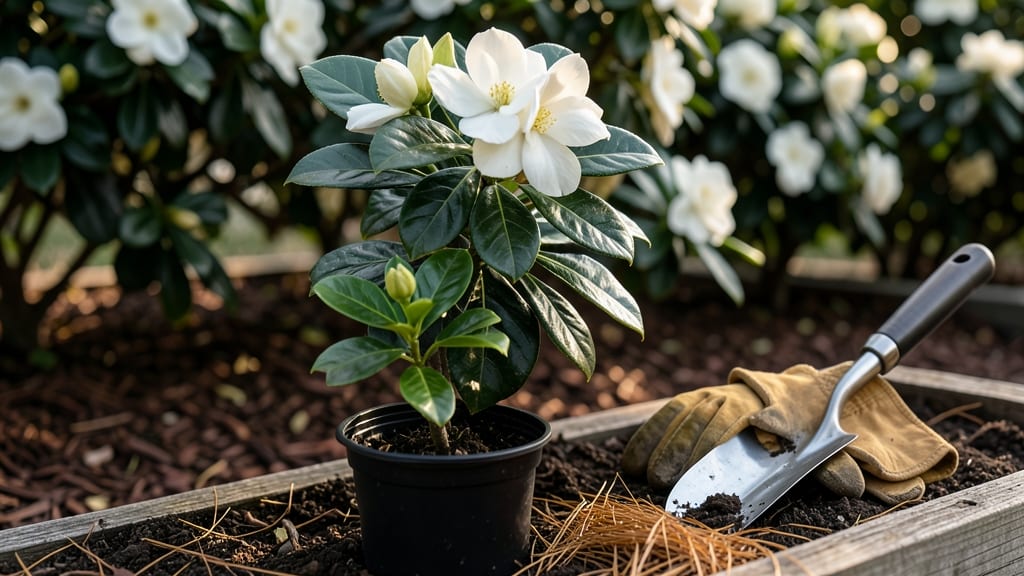
Planting gardenias in Georgia after the last frost—typically mid-March—sets the stage for fragrant blooms all summer long 🌸.
Georgia’s warm climate makes it a paradise for gardenias—but planting them at the wrong time can leave you with wilted dreams instead of fragrant blooms. Timing is everything, and getting it right means lush, fragrant gardenias thriving in your yard for years to come.
Most gardeners in zones 7b-8b wait until soil temperatures hit 60°F before transplanting, but that’s just the start. The real secret lies in reading the microclimate of your yard—whether it’s a sun-drenched corner or a spot that stays cooler longer.
In this guide, I’ll walk you through the exact frost-free windows for your zone, how to prep your soil for acidic-loving gardenias, and the 3 signs your planting timing is perfect (or a disaster waiting to happen).
Best planting times for gardenias in Georgia by hardiness zone (7A-8B)
Georgia’s USDA zones 7A-8B offer perfect conditions for growing gardenias, but timing your planting is critical to avoid frost damage and ensure strong root establishment. The last frost typically hits mid-March, while the first frost arrives around mid-November, giving you a 210-day growing window.
Planting too early risks root shock from cold snaps, while late planting may delay blooms.
For optimal growth, focus on spring planting (March-April) when soil temperatures consistently stay above 60°F. However, fall planting (late September-October) is also viable in zone 8B, allowing roots to establish before winter.
In zone 7A, fall planting is riskier due to earlier frosts, so spring is the safer bet.
Key factors like soil temperature, humidity levels, and microclimates (e.g., urban vs. rural) further refine your planting window. For example, Atlanta (7B) has a slightly longer frost-free season than Savannah (8A), so adjust accordingly. Always test soil pH (aim for 5.0-6.0) and amend with compost before planting to create the acidic, well-draining soil gardenias crave.
If you’re planting in containers, your window expands significantly—zone 7A gardeners can start as early as February in pots, while zone 8B may even attempt year-round planting with protection. Containers warm up faster and can be moved to sheltered microclimates (like near south-facing walls) to extend the season.
Just ensure pots have drainage holes and use lightweight, acidic potting mix.
For bare-root gardenias, soak roots in water for 1-2 hours before planting to reduce transplant shock.
Dig a hole twice as wide as the root ball but only as deep—planting too deep can suffocate the roots. Mulch heavily (3-4 inches) with pine bark or pine needles to retain moisture and mimic their natural acidic habitat.
This is especially critical in zone 7A, where summer droughts can stress young plants.
Avoid planting during extreme heat (June-August), as high temperatures slow root growth and increase transplant shock. Instead, opt for early spring when soil is warm but not scorching, and afternoon humidity is higher. If you miss the spring window, fall planting in zone 8B (late September) is your next best option—just cover young plants with burlap sacks if an early frost threatens.
Local Georgia resources like the University of Georgia Extension (ugaextension.com) offer frost date maps and soil testing kits to fine-tune your timing. Their free plant clinics can also help diagnose pH or nutrient issues that might delay blooming. Pro tip: Tag your gardenia’s planting date on a calendar—this helps track growth milestones and adjust care as needed.
Remember, gardenias reward patience. A plant set out in early March in zone 7A may not bloom until its second or third year, but with the right timing, you’ll enjoy fragrant, creamy-white flowers from June through October.
The key? Plant early in the season, protect from frost, and keep soil moist—your future blooms will thank you.
Signs your Georgia gardenia planting timing is perfect (or terrible)
Planting gardenias at the right time in Georgia means the difference between vibrant blooms and struggling shrubs. The ideal window is after your last frost date—typically mid-March to April—when soil temperatures hover around 60°F+.
If you plant too early, cold snaps can shock roots, while late planting risks heat stress before roots establish.
Watch for soil warmth as your first clue. Stick your finger 2 inches deep—if it feels cool to the touch, wait. Gardenias also thrive when humidity rises in spring, signaling better root growth conditions.
In Zone 7A, aim for late March; in Zone 8B, early April works best.
Perfect Planting Timing
✅ Pros
- Soil temp: 60°F+
- Frost risk: None
- Root growth: Rapid
- Blooms: Stronger
❌ Cons
- Too early: Frost damage
- Too late: Heat stress
- Slow growth: Weak roots
- Fewer blooms: Stunted
If you’ve planted gardenias too early, watch for yellowing leaves or stunted growth—signs of cold stress. Adjust by adding mulch (3-4 inches) to insulate roots and water deeply once a week to encourage recovery.
Late plantings may show wilting buds or dropping leaves—move to a shadier spot and increase watering to daily deep soaks.
Another key sign is new leaf growth. Healthy gardenias sprout bright green leaves within 4-6 weeks of planting. If growth stalls, your timing may be off. Adjust by planting in containers for flexibility or choosing a microclimate with morning sun and afternoon shade.
Don’t ignore local weather patterns—check the National Weather Service for frost alerts. In North Georgia (Zone 7A), wait until April 15th minimum; in South Georgia (Zone 8B), early March is safe. Use row covers if planting early to protect young plants from unexpected cold snaps.
Finally, observe your gardenia’s fragrance. Perfectly timed plants develop intense, sweet scents by summer. If blooms smell weak or flowers drop early, revisit your planting timing or soil pH (5.0-6.0).
A simple vinegar test (1 part vinegar to 3 parts water) can check soil acidity—adjust with sulfur if needed.
With the right timing, your gardenias will reward you with months of fragrant blooms—just don’t wait until the dog days of summer to plant! 🌸