
Size
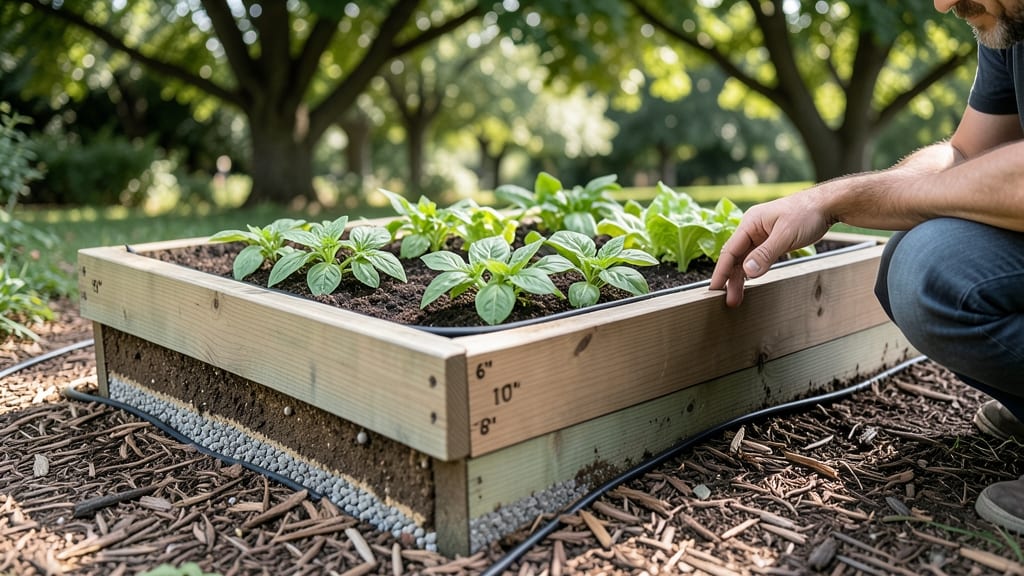
Choosing the right raised garden bed height is the foundation for healthy 🌱 growth, drainage, and even how easy it is to tend your plants.
Struggling to decide how high your raised bed should be? The right height can mean the difference between thriving plants and stunted growth—affecting root development, drainage, and even accessibility for gardeners.
Too low, and your plants may not get the root space they need, while too high can lead to poor drainage or back problems when you’re bending over all season. The ideal height depends on what you’re growing, your soil type, and how you plan to use the space.
In this guide, I’ll break down the best raised garden bed height for different plants, how to balance accessibility with soil depth, and the common mistakes that can sabotage your garden before it even starts.

Standard raised garden bed height guide: root depth requirements by plant type
Choosing the right raised garden bed height is one of the most important decisions for your garden's success. While standard heights range from 6 inches to 12+ inches, the ideal depth depends entirely on what you're growing.
Shallow-rooted plants like lettuce thrive in 6-inch beds, while deep-rooted vegetables such as tomatoes need 12+ inches to reach their full potential. Understanding these requirements ensures your plants have enough soil volume and proper drainage for healthy growth.
Most gardeners start with 10- to 12-inch beds because they accommodate the widest variety of plants. However, if you're growing root crops like carrots or potatoes, you might need to go deeper—up to 18 inches.
The key is balancing root depth requirements with practical considerations like material costs and construction ease. Let’s explore how different plant types influence your bed height choices.
Root depth directly impacts a plant’s ability to access water and nutrients. Shallow beds can stunt growth, especially for deep-rooted perennials like asparagus or fruit trees, which need 18+ inches of soil. Meanwhile, herbs and greens often do well in shallower beds because their roots don’t grow as deep. Always match your bed height to the mature root depth of your chosen plants to avoid limitations.
Another critical factor is drainage. Taller beds improve drainage by allowing excess water to escape more quickly, which is especially useful in clay-heavy soils or rainy climates. A 12-inch bed provides better drainage than a 6-inch one, reducing the risk of root rot.
However, if your bed is too tall (e.g., 24+ inches), the soil at the bottom may dry out faster, requiring more frequent watering. Balance is key!
Here’s a quick reference for ideal raised bed heights based on plant types:
| Plant Type | Root Depth | Recommended Bed Height | Notes |
|---|---|---|---|
| Herbs (basil, parsley) | 6–12 inches | 6–8 inches | Shallow roots; great for small spaces. |
| Leafy greens (lettuce, spinach) | 6–10 inches | 6–10 inches | Fast-growing; minimal depth needed. |
| Vegetables (tomatoes, peppers) | 12–18 inches | 10–12 inches | Deep roots; may need staking in taller beds. |
| Root crops (carrots, potatoes) | 12–24 inches | 12–18 inches | Long roots need deep, loose soil. |
| Perennials (asparagus, fruit trees) | 18–36 inches | 18+ inches | Long-term growth; may need raised beds with extensions. |
For shallow-rooted plants like herbs and greens, a 6-inch bed is often sufficient, but even these benefit from slightly deeper beds to improve moisture retention. If you’re growing a mix of plants, a 10- to 12-inch bed is a versatile choice that works for most vegetables.
For deep-rooted crops, consider building a two-tiered system or extending the bed height to meet their needs without sacrificing accessibility.
Accessibility is another practical consideration. A 12-inch bed is tall enough for most gardeners to work comfortably without bending over, while 18-inch beds may require kneeling or using a stool. If you have mobility concerns, opt for a 10-inch height or build beds at a slight angle for easier access.
Just ensure the depth still meets your plants' root depth requirements.
When constructing your raised bed, prioritize well-draining soil and organic matter to maximize root growth. Amend the soil with compost or aged manure to improve its structure, especially in deeper beds where compaction can become an issue.
Avoid using heavy clay or compacted soil at the bottom, as this can restrict root expansion and lead to poor growth.
Finally, consider your local climate. In dry regions, taller beds help retain moisture longer, while in wet climates, they improve drainage.
If you’re unsure about the best height for your plants, start with a 12-inch bed—it’s a safe middle ground that works for most gardeners and a wide variety of crops. You can always adjust later by adding soil or extending the bed’s height as needed.
Experiment with different heights in your garden to see what works best for your plants and your space. Over time, you’ll develop a sense of what raised garden bed height suits your growing conditions and gardening goals
How tall should your raised bed be? Balancing accessibility, drainage, and soil quality
Choosing the right height for your raised garden bed isn't just about aesthetics—it directly impacts your gardening success. A bed that's too low may struggle with weed control and poor drainage, while one that's too tall can become difficult to maintain.
The ideal height balances root depth requirements, gardener accessibility, and material practicality. For most gardeners, a height between 10 and 12 inches offers the perfect compromise, but let's explore why this range works best.
Your bed's height affects more than just how easily you can reach your plants. Deeper beds allow for better moisture retention and more room for root development, which is especially important for vegetables like tomatoes and carrots.
However, taller beds require more soil and construction materials, which can increase costs and labor. Wooden beds, for example, may warp or rot if built too high, while metal beds can become unwieldy. Let's weigh these factors to find the best height for your needs.
Raised Bed Height: Pros and Cons
10-12 Inches
- Pros: Ideal for most plants, easy to build, good drainage
- Cons: Limited space for deep-rooted plants
12-18 Inches
- Pros: Better for deep-rooted plants, more soil volume
- Cons: Harder to reach, requires more soil
18-24 Inches
- Pros: Best for deep roots, excellent weed control
- Cons: Very labor-intensive, expensive materials
If you're gardening with children, seniors, or anyone with mobility challenges, a 10-inch height is ideal for easy access. This height allows you to kneel comfortably without straining your back, making gardening a more enjoyable experience.
For drainage, taller beds (12-18 inches) perform better in heavy clay soils, as they allow water to flow more freely. However, if your area has well-draining soil, a slightly shorter bed may suffice while saving on materials.
Another key factor is soil quality and long-term fertility. Taller beds require more soil, which means more nutrients and organic matter are needed to maintain fertility.
If you're using a wooden frame, ensure it's treated to resist rot, as taller beds may experience more moisture retention at the bottom. For metal or composite materials, taller heights are less problematic, but they can become heavy and difficult to move.
For weed control, taller beds are a game-changer. A 12-inch height or more significantly reduces weed growth by limiting light exposure to weed seeds. This means less time weeding and more time enjoying your garden.
However, if you're growing shallow-rooted plants like lettuce or herbs, a 6- to 10-inch bed will provide ample root space without the extra effort of building taller.
Ultimately, the best height depends on your specific needs. Start with a 10- to 12-inch bed for versatility, and adjust based on your plants and physical comfort. Remember, you can always add layers of soil over time if you need more depth for specific crops. Happy gardening! 🌱