
Planting
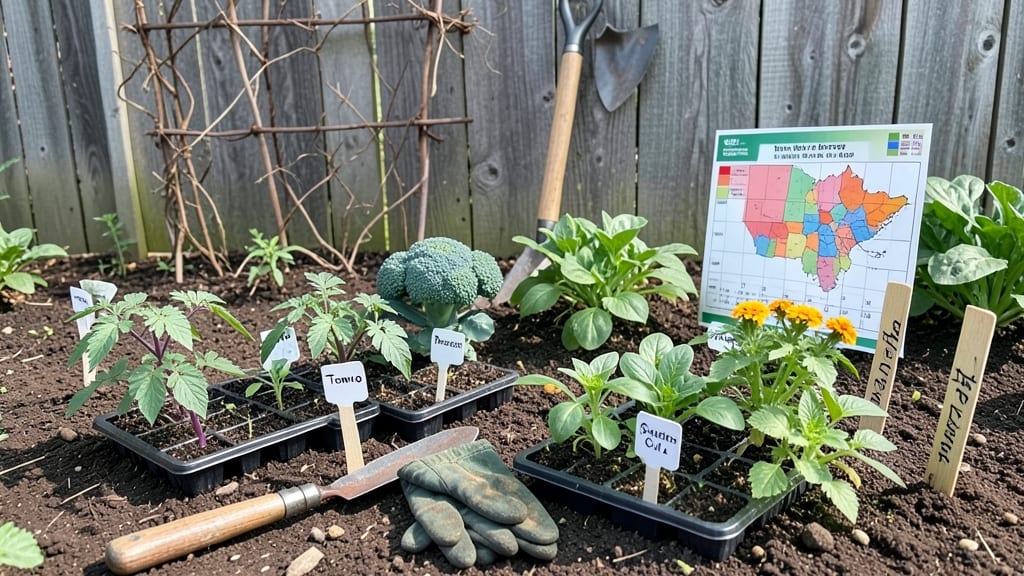
Planting your garden in Virginia at the wrong time can turn a thriving harvest into a sad, wilted pile of disappointment.
Virginia’s diverse climate—from the cool Appalachians to the humid Tidewater—means timing isn’t just about the calendar. It’s about understanding heat zones, frost dates, and which 🌱 General Garden Plants thrive when.
One week too early or late can mean the difference between a bountiful spring and a summer of wilting disappointment.
Most gardeners in Virginia’s USDA Zones 6a-8a know the basics: cool-season crops like lettuce and peas go in March-April, while tomatoes and peppers wait for May.
But the devil is in the details—like how Piedmont’s last frost often hits two weeks earlier than Coastal Virginia’s, or how a late spring freeze can turn your carefully planted seedlings into a sad, crispy snack.
In this guide, I’ll break down the exact planting windows by region, the crops that demand precision, and the simple tricks (like row covers) that can stretch your growing season.
Whether you’re a first-time gardener or a veteran with a green thumb, you’ll leave here knowing when to plant for the most reliable results.
Virginia’s planting zones: USDA heat tolerance chart by region
Virginia spans USDA zones 5a through 8a, creating dramatic differences in heat tolerance and frost-free periods across just a few hundred miles.
The Blue Ridge Mountains in the west (zones 5a-6b) get earlier frosts and cooler summers, while the Tidewater coastal plain (zones 7b-8a) enjoys longer growing seasons and higher humidity. Knowing your exact zone helps you avoid planting heat-sensitive crops too late or warm-weather plants before soil warms.
For example, Richmond (zone 7b) has a last frost date around March 20, while Roanoke (zone 6b) typically sees its last frost 2 weeks later.
Meanwhile, Norfolk (zone 8a) can plant tomatoes in early March without frost risk, whereas gardeners in Blacksburg (zone 6a) must wait until mid-April. These differences aren’t just about dates—they affect soil temperature, pest cycles, and even watering needs.
The comparison table below breaks down key metrics for Virginia’s three most influential regions, helping you align your planting schedule with your local climate. Pay special attention to the ideal planting windows for cool-season crops (like lettuce and peas) versus warm-season crops (like peppers and cucumbers).
🌱
Understanding these microclimates is critical for successful gardening. For instance, gardeners in zone 6b (Roanoke) can start spinach and kale indoors in February, while those in zone 8a (Norfolk) might wait until late January to avoid bolting from warm spells.
Similarly, tomatoes and peppers can go into the ground 4 weeks earlier in Norfolk than in Blacksburg.
Another key factor is soil warmth. Even if the air feels spring-like, cool soil can stunt warm-season crops like squash and beans. Use black plastic mulch or wait for soil to reach 60°F+ before planting.
In cooler zones (5a-6a), consider row covers to extend the season for heat-loving plants.
For fall planting, the rules flip: cool-season crops like broccoli and carrots thrive when days shorten and soil cools. In zone 8a (Norfolk), you can plant until November 15, while zone 6b (Roanoke) gardeners should finish by September 15 to avoid early frosts.
Always check local frost data—years like 2022 saw unseasonable late frosts in October, catching many gardeners off guard.
Pro tip: Bookmark the Virginia Cooperative Extension’s frost maps (available online) for real-time updates. Their 30-year
Best crops for Virginia’s two planting seasons (spring vs. fall)
Virginia’s two distinct planting seasons—spring and fall—offer gardeners the best chances for success. Spring is perfect for cool-season crops like lettuce and peas, while fall lets you grow warm-season favorites like tomatoes and peppers before winter arrives.
The key is understanding which plants thrive in each window and how to extend seasons with simple tools.
In spring, focus on heat-sensitive vegetables that bolt (go to seed) in summer heat. Fall becomes your second chance to grow warm-weather crops that need long, hot days to mature. I’ve planted both ways for years, and the difference in harvests is night and day when timed right.
Here’s my Virginia planting calendar for cool vs. warm-season crops, plus tips for extending your growing window with row covers or cold frames:
🌱 Spring Planting (Cool-Season Crops)
- March-April: Leafy greens (lettuce, spinach, kale) – Risk: Bolt in heat; Reward: Fast harvest
- Late March: Peas and radishes – Risk: Frost damage; Reward: Early table crop
- April: Broccoli and cabbage – Risk: Cabbage worms; Reward: Hearty greens
- May (late): Onions and garlic – Risk: Overheating; Reward: Low-maintenance
🌿 Fall Planting (Warm-Season Crops)
- Late July-August: Tomatoes and peppers – Risk: Early frost; Reward: Second harvest
- August: Sweet potatoes and corn – Risk: Short season; Reward: Starchy staples
- September: Green beans and cucumbers – Risk: Powdery mildew; Reward: Quick growers
- October (early): Herbs (basil, cilantro) – Risk: Freezing temps; Reward: Flavor boost
🌡️ Extending Seasons: Risk vs. Reward
- Row covers (spring): Protect lettuce and spinach from late frosts – +2 weeks growth
- Cold frames (fall): Extend tomato and pepper season by 3-4 weeks – Warmer soil = bigger yields
- Shade cloth (summer): Save cool-season crops from bolting – 30% longer harvest window
My biggest tip? Start cool-season crops indoors 4-6 weeks before your last frost date (typically mid-March in most of Virginia). For fall planting, choose fast-maturing varieties of warm-season crops to beat the first frost (mid-November in many areas).
I’ve learned the hard way that planting too early in spring or too late in fall can ruin a season. But with these timing tricks, you’ll maximize both windows—no wasted space or sad, wilted plants in sight! 🌱