
Planting
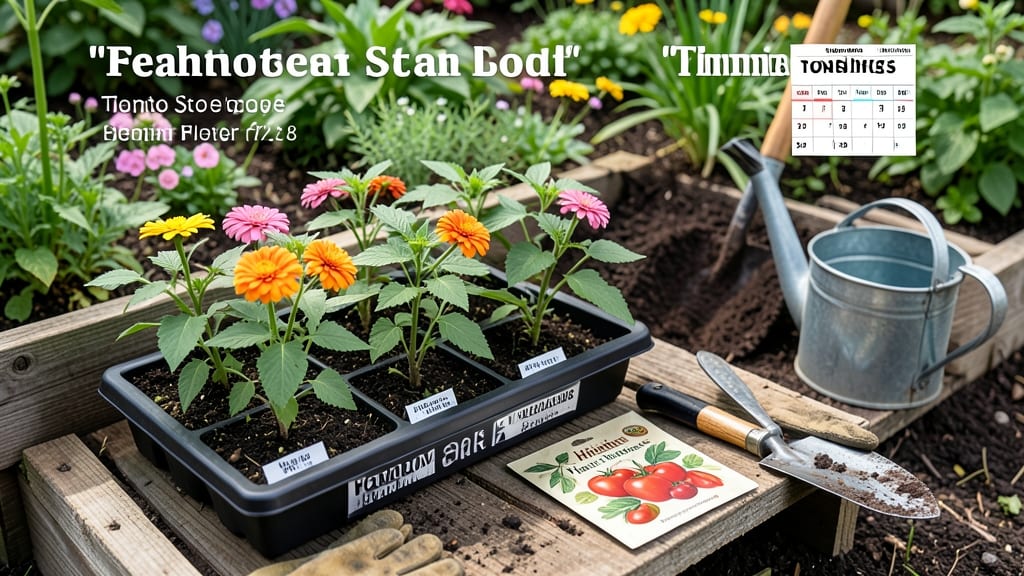
Planting your garden in Tennessee at the right time means the difference between a lush harvest and a wasted season.
Tennessee’s diverse climate—from humid subtropical valleys to cooler mountain regions—can make timing tricky. Get it wrong, and you risk stunted growth, pests, or even total crop failure. But nail it, and you’ll enjoy stronger plants, bigger yields, and fewer headaches.
Most gardeners in zones 6a-7b should start cool-season crops like lettuce and peas in March, while warm-season favorites like tomatoes and peppers wait until after the last frost, typically mid-April.
Fall planting kicks off in August, giving you a second chance at fresh produce before winter sets in.
Below, I break down the best months for every type of plant, regional adjustments for mountains vs. lowlands, and how to prep your soil for success—so you can grow with confidence, not guesswork.
Tennessee planting zones: when to start seeds and transplant by region
Tennessee spans USDA hardiness zones 5a through 8a, creating a diverse gardening landscape where timing is everything. In the mountains (zones 5a-6b), gardeners face earlier frosts and shorter growing seasons, while lowland areas (zones 7a-8a) enjoy longer, warmer springs.
Knowing your last spring frost date and first fall frost is critical for planning, as these mark the safe windows for transplanting seedlings and direct sowing.
For cool-season crops like lettuce and peas, I start seeds indoors 6-8 weeks before the last frost—typically February to early March in most zones. Warm-season plants like tomatoes and peppers need to wait until after the last frost, usually mid-April to early May in zone 5a and March in zone 8a.
Understanding these zone-specific differences helps avoid frost damage and maximizes your garden's potential.
Here’s a comparison of Tennessee’s planting zones, including average frost dates, ideal transplanting months, and seed-starting windows for vegetables, flowers, and herbs. Use this as your garden planning roadmap to align your planting schedule with your local climate.
| USDA Zone | Avg. Last Spring Frost | Avg. First Fall Frost | Seed Starting Indoors | Transplant Outdoors | Direct Sow Outdoors |
|---|---|---|---|---|---|
| 5a (Mountains) | April 15–May 1 | October 1–15 | February 15–March 15 | May 1–15 | May 15–June 1 |
| 6a (High Elevation) | April 1–15 | October 15–30 | March 1–15 | April 15–May 1 | May 1–15 |
| 6b (Middle TN) | March 25–April 10 | October 30–November 10 | March 1–31 | April 15–May 1 | April 15–June 1 |
| 7a (Central TN) | March 15–25 | November 10–20 | February 15–March 15 | March 15–April 15 | March 15–June 15 |
Best months to plant specific vegetables in Tennessee (zone-specific guide)Tennessee gardeners know timing is everything—especially when planting vegetables across the state's diverse zones. Whether you're in Zone 6a (east Tennessee mountains) or Zone 8a (Memphis lowlands), knowing the right months for each crop ensures a bountiful harvest. I've broken down cool-season and warm-season crops with exact planting windows tailored to Tennessee's climate. For cool-season crops like lettuce, spinach, and broccoli, I recommend starting seeds indoors 4-6 weeks before your last frost date (typically late February to early March for most zones). Transplant these 2-4 weeks before the last frost, usually March to early April. Warm-season crops like tomatoes, peppers, and squash need to wait until after the last frost, generally mid-April to early May. 🌱 Pro Tip: Use this summary table as your planting calendar—it includes both direct sowing and transplanting windows for Tennessee's most popular vegetables. For mountain regions (Zones 6a-7a), I recommend starting cool-season crops 2 weeks earlier than lowland areas. In Zone 8a (Memphis), you can extend your growing season by planting warm-season crops like okra or sweet potatoes as late as June. Always check your last frost date—most Tennessee counties range from mid-April (mountains) to early April (valleys). Don't forget about succession planting—this technique lets you harvest vegetables continuously. For example, plant lettuce every 2 weeks from March to September, or stagger green bean plantings every 3 weeks in May and June. This ensures you always have fresh produce without overwhelming your garden at once. For warm-season crops, I can't stress enough how important soil temperature is. Wait until the soil reaches at least 60°F before planting tomatoes, peppers, and eggplants. In Tennessee, this typically happens by mid-April in most zones. Use row covers or black plastic mulch to warm the soil faster if needed. 🌿 Remember: Tennessee's humid subtropical climate means we get hot summers and mild winters. Take advantage of this by planning a fall garden—many crops like kale, carrots, and radishes thrive when planted in August-September for harvests before winter sets in. |