
Companion Plants
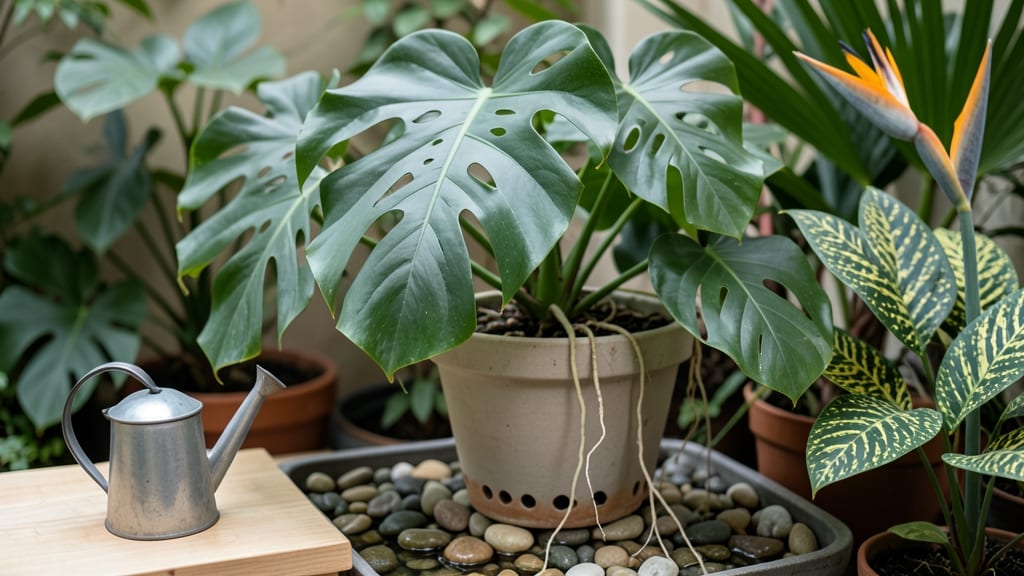
Gardening tropical plants indoors brings that lush, exotic vibe—but without the right balance of humidity and sunlight, even the hardiest varieties will start to struggle.
Picture this: your 🌴 banana tree drooping, leaves crisping at the edges, or that prized orchid shedding petals like it’s fall’s last gasp. The problem isn’t just dry air—it’s the sneaky way indoor environments sabotage tropical plants’ natural needs.
Here’s the good news: you don’t need a greenhouse to recreate their ideal climate. With a few simple tweaks—like strategic window placement, DIY humidity hacks, and plant-specific sunlight rules—you can keep your tropical garden thriving year-round, even in USDA Zones 10-12 or beyond.
Below, I’ll break down the exact humidity levels, sunlight secrets, and care routines that turn wilting leaves into vibrant growth—so you can enjoy that jungle feel without the guesswork.
How to mimic tropical humidity indoors for maximum plant health
Tropical plants thrive in 60-80% humidity, but indoor air is often 30-50% humid—a recipe for crispy edges and wilted leaves. The key is recreating that jungle-like moisture without turning your home into a swamp.
Start by understanding your plants' needs: ferns and orchids demand higher humidity than monstera or pothos. Small adjustments can make a huge difference in their health and growth rate.
Your first step should be testing your current humidity levels. A $10 hygrometer from your local hardware store will reveal if you're in the danger zone below 50%. Most tropical plants show stress when humidity drops below 55%, with symptoms like brown leaf tips or curled fronds.
I once killed a bird-of-paradise because I ignored these early warnings—don't make my mistake!
| Method | Humidity Boost | Cost | Ease | Best For |
|---|---|---|---|---|
| Pebble Tray | 10-20% | $5-$10 | Easy | Small plants, ferns |
| Humidifier | 20-40% | $30-$100 | Moderate | Large collections, orchids |
| Grouping Plants | 5-15% | Free | Easy | Medium plants, calatheas |
| Misting | 5-10% | $0 | Hard | Small leaves, philodendrons |
| Self-Watering Pot | 15-25% | $20-$50 | Moderate | Large pots, monstera |
My go-to solution is a pebble tray—it's cheap, effective, and works instantly. Fill a shallow tray with pebbles or gravel, add water until pebbles are just covered, then place your plant pot on top.
The evaporating water creates a microclimate of 10-20% higher humidity around your plant. For orchids or calatheas, I combine this with a humidifier in winter when indoor air gets bone-dry.
Grouping plants is another free and effective trick. When you cluster 3-5 tropical plants together, they create their own humidity zone through transpiration—the process where plants release moisture.
I keep my monstera, pothos, and philodendron in a corner together, and their combined output keeps humidity consistently above 65%.
Misting is tempting, but it's not a long-term solution. The water evaporates too quickly, and it can promote fungal diseases if leaves stay wet. Instead, I mist only in emergencies and focus on daily deep watering to help maintain moisture levels.
For large-leafed plants like bird-of-paradise, I even wipe leaves with a damp cloth to simulate morning dew.
One common mistake is overwatering in response to dry air. Too much water without proper drainage leads to root rot, which is just as deadly as low humidity. Always check the top inch of soil before watering—if it's dry, your plant needs water; if it's damp, hold off.
I use well-draining soil mixes with perlite or orchid bark to prevent waterlogging.
For high-maintenance plants like orchids, I invest in a small humidifier near their shelf. A $50 unit can make all the difference for phalaenopsis orchids, which need 70-80% humidity to bloom.
Place it 6-12 inches away from plants to avoid direct moisture on leaves, which can cause brown spots.
Seasonal adjustments are crucial. In winter, when heating systems dry out air, I run my humidifier 10-12 hours daily and move plants away from vents. During summer, I increase outdoor time for hardy tropicals like hibiscus or bougainvillea, letting them bask in natural humidity.
Just remember to acclimate them gradually to avoid shock.
Optimal sunlight strategies for different tropical plant types
Not all tropical plants thrive under the same sunlight conditions—some bask in bright light while others wilt in direct rays. Understanding your plants' sunlight needs is key to preventing yellowing leaves or leggy growth.
For example, my Monstera deliciosa craves bright, indirect light, while my Philodendron hederaceum thrives in low-light corners. Let’s break down the best window placements and light requirements for each type.
Low-light tropicals like Philodendrons and Calatheas can survive with just 2-4 hours of filtered light daily. Medium-light lovers such as Calatheas and Ferns need 4-6 hours of bright indirect light. High-light plants like Monstera and Croton demand 6+ hours of direct or bright indirect sunlight.
Misjudging their needs often leads to crispy leaf edges or stunted growth, so let’s troubleshoot these issues together.
| Plant Type | Sunlight Needs | Best Window Placement | Troubleshooting Tips |
|---|---|---|---|
| Low-Light (Philodendrons, Pothos) | 2-4 hours filtered light | North-facing or shaded East window | Yellow leaves? Move closer to light. |
| Medium-Light (Calatheas, Ferns) | 4-6 hours bright indirect | East or West window with sheer curtain | Brown leaf tips? Increase humidity. |
| High-Light (Monstera, Croton) | 6+ hours direct/bright indirect | South-facing window or grow lights | Leggy growth? Rotate plant weekly. |
If your Philodendron develops yellow leaves, it’s likely getting too much direct sun—move it to a north-facing window or add a sheer curtain. For Calatheas, crispy edges often signal low humidity rather than light issues, so a pebble tray can help.
Meanwhile, my Monstera stretches toward the light if its sunlight hours drop below 4 hours daily, so I rotate it weekly to ensure even growth.
For indoor setups, grow lights are a game-changer. A LED grow bulb placed 12-18 inches above your plants can mimic 6-8 hours of sunlight, perfect for high-light tropicals in dim rooms.
I use mine for my Croton, which needs intense light to maintain its vibrant foliage. Just remember: direct sunlight through glass can scorch leaves, so always use a diffuser.
Pro tip: Observe your plants’ leaf color and growth patterns—they’re your best indicators! Dark green leaves mean they’re happy, while pale or yellowing leaves signal stress.
Adjust their window placement gradually to avoid shocking their systems. With the right sunlight strategy, your tropical oasis will thrive year-round, even indoors. 🌿
Need a quick fix? Rotate your plants every 2-4 weeks to ensure even light exposure. This simple trick prevents leggy growth and keeps your tropical plants lush and vibrant. Happy gardening! ✂️