
Planting
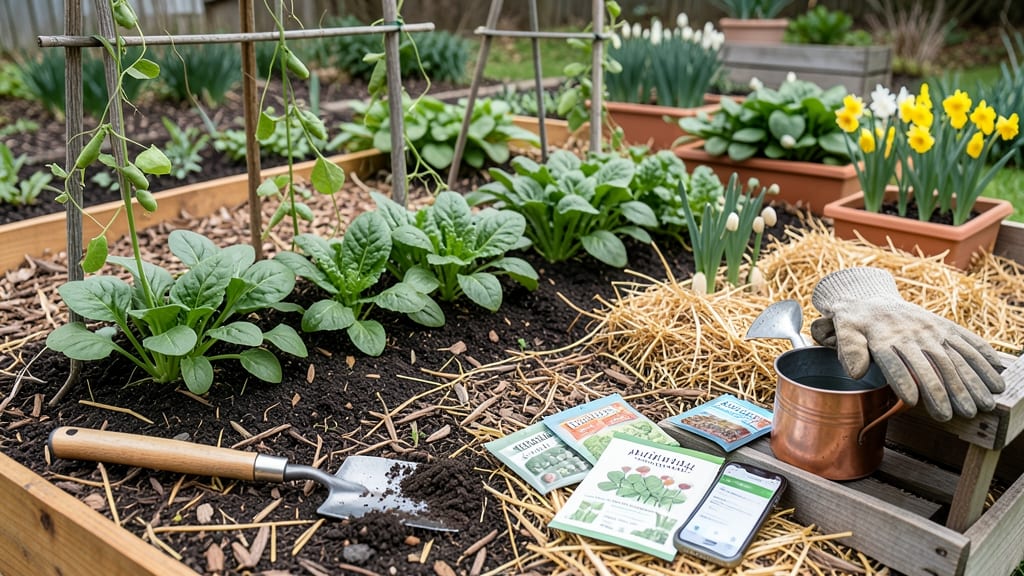
To plant a garden in Oregon at the right time means timing your seeds and starts with the 150-220 frost-free days that define your zone—whether you’re in the Willamette Valley or the high desert.
Get it wrong, and your cool-season crops bolt before harvest or your warm-season veggies wilt under early frosts. Oregon’s microclimates throw off even the most trusted planting charts, so I’ve broken down the exact windows for everything from spinach to tomatoes by zone and season.
Here’s how to align your planting schedule with Oregon’s unpredictable weather, from coastal fog delays to desert heat spikes—plus the pro tips to stretch your growing season.
You’ll leave with a zone-specific calendar, the best crops for each microclimate, and tricks to avoid the costly mistakes that trip up even experienced gardeners.
Oregon planting calendar by Zone: frost-free dates and ideal months
Oregon’s USDA Hardiness Zones 7b-9a create a patchwork of planting opportunities, but timing is everything. Coastal areas like Astoria (Zone 8a) have later last frosts (May 15) than inland spots like Bend (Zone 7b), where frost lingers until April 20.
Warm-season crops like tomatoes and peppers need to wait until soil warms, while cool-season greens thrive in early spring or late summer. Let’s break down the exact windows for each zone to avoid bolting, freezing, or stunted growth.
Your first step? Know your frost-free dates. The Willamette Valley (Zone 8b) typically sees its last frost by April 15, while the coastal regions like Newport (Zone 8a) hold onto frost until May 10.
High-desert areas like La Grande (Zone 7b) can experience frost as late as May 20. These dates dictate when to plant warm-season crops like cucumbers or beans, which need consistent warmth to germinate.
Here’s the critical rule: Plant cool-season crops (e.g., spinach, kale, peas) 4-6 weeks before your first frost to ensure a harvest before cold sets in. For Zone 8b, that means late August to early September for fall planting.
Meanwhile, warm-season crops like tomatoes and squash should go in 2-3 weeks after your last frost date—so mid-May for inland zones and early June for coastal areas.
🌱
| Zone & Location | Last Frost Date | First Frost Date | Cool-Season Planting | Warm-Season Planting |
|---|---|---|---|---|
| Zone 7b (Bend, La Grande) | April 20 | October 15 | March 15–April 15 Sept 1–Oct 15 |
May 20–June 15 |
| Zone 8a (Coastal: Astoria, Newport) | May 10–15 | November 1–15 | Feb 15–March 15 Sept 15–Oct 30 |
June 1–July 1 |
| Zone 8b (Willamette Valley: Eugene, Salem) | April 15 | October 30 | March 1–April 10 Aug 15–Sept 30 |
May 1–June 10 |
| Zone 9a (Medford, Southern OR) | March 1–15 | November 20 | Jan 15–Feb 15 Sept 1–Oct 15 |
April 1–May 15 |
Notice how coastal zones like Astoria have a longer growing season but cooler soils, delaying warm-season planting until June. Meanwhile, Zone 9a in Southern Oregon can start tomatoes in April—but watch for late frosts in the Rogue Valley.
Even within zones, microclimates matter: A south-facing slope in Zone 8b might warm up faster than a shaded valley spot.
For cool-season crops, think beyond spring. In Zone 8b, I’ve had great success with spinach and radishes planted in late August for a fall harvest before the first frost.
The key is soil temperature: Aim for 40–70°F for cool-season crops and 60°F+ for warm-season starters like peppers. Use a soil thermometer to check—don’t guess!
Pro tip: Succession planting extends your harvest. In Zone 7b, I sow lettuce every 2 weeks from March to September, ensuring a steady supply. For warm-season crops, try a second planting in July (e.g., bush beans) to harvest before frost.
Just time it so seeds germinate 60–90 days before your first frost.
Don’t overlook perennials and berries. Strawberries (ever-bearing varieties) can go in early spring across all zones, while asparagus crowns need Zone 7b+ and should be planted in fall for a 2-year establishment period. Rhubarb thrives in cooler coastal zones and can handle light frosts, making it a great early spring crop.
🌿
If you
Best plants to grow in Oregon by season: what to start when
Oregon’s microclimates create a gardener’s paradise—but only if you plant at the right time. Coastal areas stay cooler and wetter, while the high desert bakes in summer. The key? Matching plants to Oregon’s four distinct seasons and local conditions.
Whether you’re in Portland’s Willamette Valley or Bend’s high desert, these seasonal guides will help you avoid frost bites and heat stress for your crops.
Spring in Oregon is all about cool-season crops like lettuce and peas, while summer demands heat-loving tomatoes and peppers. Fall brings back greens and root veggies, and even winter offers hardy greens and garlic for patient growers.
Let’s break it down by season so you can start strong and harvest like a pro.
Plant cool-season crops like spinach, kale, and peas in coastal areas by March 1. Inland zones wait until April 15 for potatoes and onions. Use row covers for early starts.
Warm-season tomatoes, peppers, and squash thrive after last frost (May–June). High-desert zones need extra water for zucchini and cucumbers. Coastal areas can grow heat-tolerant greens like Malabar spinach.
Plant cool-season crops again for fall harvests. Broccoli, carrots, and radishes do well until first frost (Oct–Nov). Ever-bearing strawberries planted in early fall fruit next year.
Focus on hardy greens like kale, collards, and garlic. Cover crops like clover protect soil. Coastal areas can grow winter lettuce under row covers.
For coastal Oregon, prioritize fog-tolerant plants like rhubarb and artichokes, which thrive in cool, damp conditions. In contrast, high-desert gardens in Bend or La Grande should focus on drought-resistant varieties like black-eyed peas and amaranth.
Even within the Willamette Valley, microclimates vary—urban Portland stays warmer than rural farmland.
Pro tip: Use Oregon State University’s frost date maps to fine-tune your planting schedule. For example, Medford’s Zone 8b has a longer growing season than Astoria’s Zone 8a.
Adjust your seed starting dates accordingly—indoor starts for tomatoes in February work in Southern Oregon, but wait until March in Western Oregon.
Don’t forget perennials like asparagus and rhubarb, which establish roots in spring and reward you for years. Pair them with annual flowers like calendula to attract pollinators and deter pests. With the right seasonal lineup, your Oregon garden can produce year-round harvests—even in unpredictable weather.