
Planting
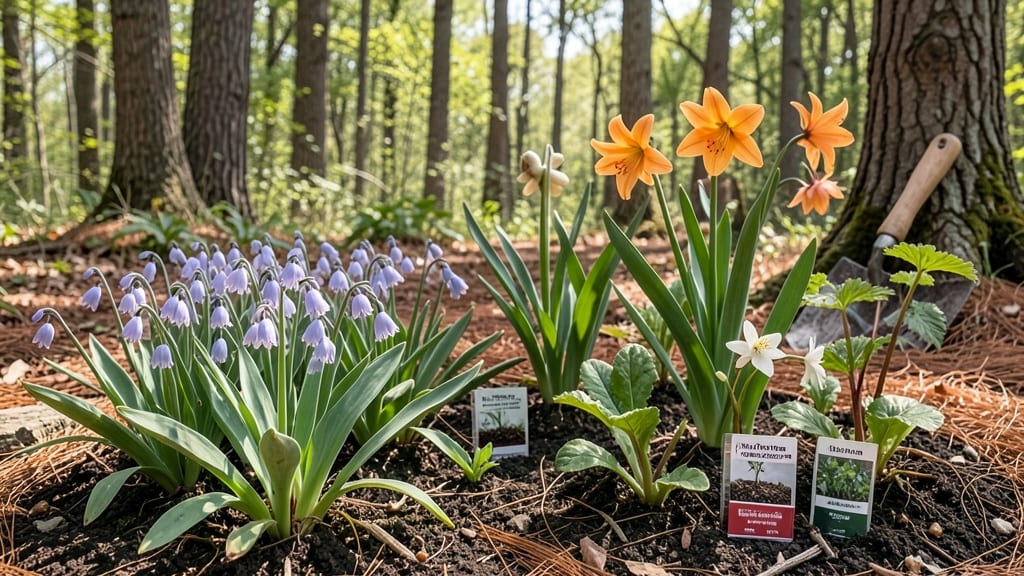
Planting your garden in NC at the right time means the difference between a bumper crop and a sad, frost-bitten mess—especially when coastal and mountain zones can vary by weeks.
North Carolina’s diverse climate means your garden’s success hinges on planting at the perfect time—too early and frost zaps your crops, too late and pests take over. Avoid costly mistakes with this county-specific frost-date guide tailored to NC’s microclimates.
Whether you’re in the Piedmont’s USDA Zone 7b, the humid Coastal Plain, or the cooler Mountains, knowing when to plant cool-season greens like spinach or warm-season favorites like tomatoes can save you from wasted effort.
Below, I break down the exact frost dates by county, the best months for each plant type, and how to adjust for NC’s unpredictable weather—so you can finally get that garden thriving.
NC frost dates by county: when to plant cool vs warm-season crops
North Carolina’s diverse microclimates mean frost dates can vary by hundreds of miles—even between neighboring counties.
The Piedmont region (like Wake or Guilford) typically sees its last spring frost 2-3 weeks earlier than the Mountains (Haywood or Henderson), while the Coastal Plain (Bertie or Craven) often enjoys longer growing seasons.
Getting these dates right ensures your cool-season crops like kale and spinach thrive, while warm-season favorites like tomatoes and peppers avoid frost damage.
I’ve broken down last spring frost and first fall frost dates by county, along with ideal planting windows for your top crops. Use this as your garden’s roadmap—whether you’re in USDA Zone 7a (cooler Mountain areas) or Zone 8a (warmer Coastal Plain).
Pro tip: Check your local Cooperative Extension office for updates, as microclimates (like urban heat islands) can shift dates by a week or more.
Comparison Table: NC Frost Dates & Planting Windows by Region
For cool-season crops like kale, spinach, and broccoli, plant 4–6 weeks before your last frost date. In the Mountains (Zone 7a), that means starting seeds indoors by February 15 for an outdoor transplant by March 15.
In the Coastal Plain (Zone 8a), you can direct-sow spinach as early as January 15—just cover it with row fabric for extra frost protection.
Warm-season crops like tomatoes, peppers, and cucumbers need soil temperatures above 60°F. In the Piedmont, wait until April 15 to plant seeds or May 1 for transplants.
If you’re in the Mountains, hold off until May 15 to avoid late spring frosts that can kill young seedlings. Pro move: Use a soil thermometer to confirm warmth before planting.
Fall planting is trickier—first frost dates can swing by 2 weeks depending on elevation. In the Coastal Plain, you can still sow radishes or turnips until October 15, while Mountain gardeners should finish by September 15 to avoid frost.
For warm-season crops like okra or sweet potatoes, plant by June 15 in the Coastal Plain or July 1 in the Mountains to ensure a harvest before frost.
Microclimates matter! Urban areas like Raleigh or Charlotte often have warmer microclimates due to buildings and pavement, while valleys in the Mountains can be 5°F colder than nearby ridges. Observe your garden’s patterns for 3 years to refine these dates.
For example, if your tomatoes survived a May 10 frost in past years, you might push planting to April 25.
Don’t forget succession
Best planting schedule for NC’s top 10 vegetables (with frost Tolerance Levels)
North Carolina gardeners know timing is everything—plant too early and frost will ruin your hard work, but wait too long and pests or heat will take over. My top 10 NC vegetables cover everything from frost-hardy greens to heat-loving staples, with soil temperature requirements that make or break success.
Let’s dive into the perfect planting windows for each, including those sneaky exceptions like cool-season okra or heat-loving lettuce varieties that defy expectations.
For most of NC (USDA Zones 7a-8a), the last spring frost typically arrives between March 15 and April 15, while the first fall frost hits October 15 to November 15.
However, mountain regions like Asheville can see frost as late as May 10 or as early as October 1. Always check your local frost date averages—they’re your garden’s GPS.
Pro Tip: Use a soil thermometer to confirm readiness. Most seeds need soil temps of 60-65°F for warm-season crops and 40-50°F for cool-season stars. In NC’s Piedmont, this often means waiting until late April for tomatoes, while coastal areas can start 2-3 weeks earlier.
Frost Tolerance Levels Explained:
- Hardy (❄️❄️): Survives 28°F or colder (e.g., collards, kale).
- Moderate (❄️): Dies at 30-32°F (e.g., spinach, broccoli).
- Sensitive (☀️): Wilted by 35°F (e.g., cucumbers, okra).
| Vegetable | Ideal Planting Months (NC) | Frost Tolerance | Soil Temp (°F) | Days to Harvest |
|---|---|---|---|---|
| Collards | Feb–Mar, Aug–Sep | ❄️❄️ (28°F) | 40–50°F | 50–70 |
| Sweet Potatoes | May–June | ☀️ (35°F) | 65–75°F | 90–120 |
| Tomatoes | Apr–May (after frost) | ☀️ (35°F) | 60–65°F | 60–85 |
| Cucumbers | May–June | ☀️ (35°F) | 65–70°F | 50–70 |
| Okra (Cool-Season) | Feb–Mar, Sep–Oct | ❄️ (30°F) | 55–60°F | 50–60 |
| Lettuce (Heat-Tolerant) | Aug–Sep, Feb–Mar | ❄️ (28°F) | 45–55°F | 30–50 |
| ★★★★★4.5(11 reviews) |