
Planting
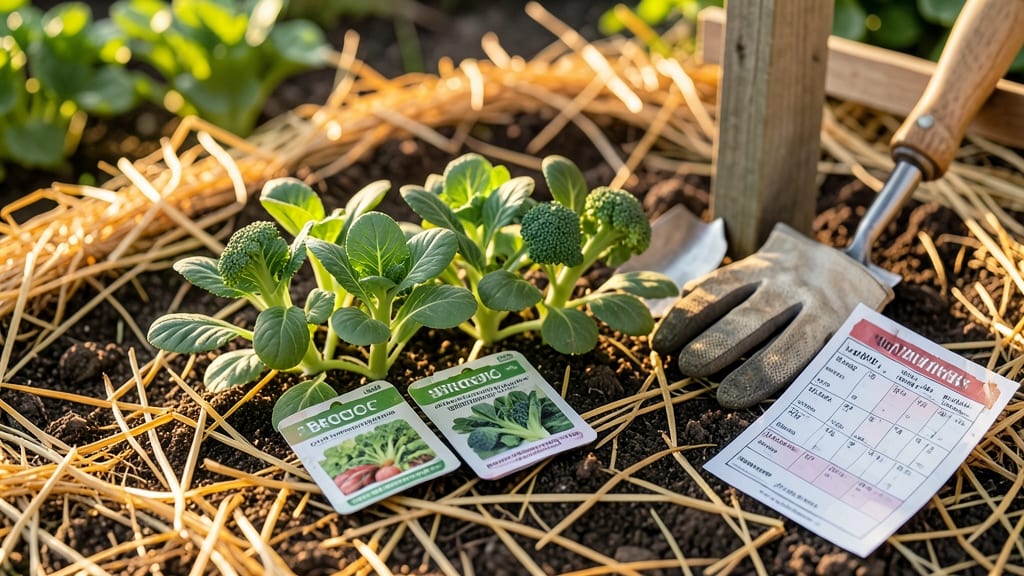
Planting a fall garden in NC starts around mid-August for heat-loving crops like okra and sweet potatoes, when soil stays warm but days begin to cool.
Picture this: you’ve just harvested your last summer tomatoes, but your garden beds aren’t ready to surrender yet. With North Carolina’s extended growing season, you can still coax a second harvest—if you plant at the right moment.
Too early, and your greens bolt before frost; too late, and you miss the window entirely.
This guide breaks down the exact dates for NC’s three distinct regions, from the Coastal Plain’s humid warmth to the Mountains’ cooler nights. You’ll learn how to prep soil for fall’s shorter days, which crops handle heat best, and when to mulch to protect tender roots.
Skip the guesswork: by the end, you’ll know exactly when to plant for a fall garden that outlasts summer’s competition—and how to stretch your harvest into December.
North Carolina fall planting calendar: exact dates for heat-tolerant crops
North Carolina’s fall gardening season stretches longer than most states, thanks to its mild coastal climates and warmer Piedmont/Mountain regions. But getting the timing right means the difference between a bountiful harvest and wasted seeds.
The first frost dates vary dramatically—from late October in the Mountains to mid-November along the Coast—so I’ve broken it down by region for heat-tolerant crops like okra, sweet potatoes, and collards.
Your planting window opens when soil temperatures drop below 90°F but stay above 60°F—typically mid-August in the Coastal Plain and early September in the Mountains. Miss this window, and you risk bolting greens or stunted roots. Below is your region-specific planting calendar, including last-harvest deadlines before frost.
| Region | Planting Window | Key Crops | First Frost Avg. | Last Harvest Deadline |
|---|---|---|---|---|
| Coastal Plain | Aug 15–Sep 15 | Okra, sweet potatoes, black-eyed peas, collards | Nov 1–15 | Oct 15 (before hard frost) |
| Piedmont | Aug 30–Sep 30 | Kale, turnips, Malabar spinach, New Zealand spinach | Oct 25–Nov 5 | Oct 1 (light frost risk) |
| Mountains | Sep 15–Oct 15 | Broccoli, cabbage, Swiss chard, peas | Oct 10–20 | Sep 25 (early frost) |
For Coastal NC gardeners, the extended growing season means you can push okra and sweet potatoes until early October. I’ve planted ‘Clemson Spineless’ okra as late as September 10th in Wilmington and still harvested pods in November.
In the Piedmont, focus on heat-tolerant greens like collards and mustard—these handle 50°F nights without bolting.
The Mountains have the shortest window, but don’t let that discourage you. Plant fast-maturing varieties like ‘Blue Lake Bush’ beans (50 days to harvest) or ‘Winterbor’ kale (30 days). Use row covers to extend harvests by 2–3 weeks if frost threatens early.
I’ve added black plastic mulch to raised beds in Asheville to keep roots warm until late October.
Microclimates matter more than USDA zones in NC. A south-facing slope in the Mountains might stay frost-free 10–14 days longer than your backyard. Test your spot by planting basil in late September—if it survives until October 15th, you’ve got a 14-day extension for heat-loving crops.
I’ve used this trick to grow ‘Tropicana’ melons in Hendersonville until early November.
Don’t overlook soil temperature—it’s the real deadline. Use a soil thermometer to confirm temps are 65–75°F before planting. In clay-heavy Piedmont soils, I’ve pre-warmed beds with black landscape fabric for 3–4 days before seeding sweet potatoes.
This shaves 7–10 days off your planting timeline and prevents cool-soil shock.
Your last harvest deadline isn’t just about frost—it’s about plant maturity. For example, ‘Georgia Southern’ collards take 50 days to harvest. Plant them by September 1 in the Coastal Plain to ensure leaves are tender and sweet before frost.
In the Mountains, aim for August 15th to avoid bitter, fibrous greens.
Pro tip: Succession planting is your secret weapon. Sow 50% of your seeds at the start of your window, then add 25% every 10–14 days until your last-harvest deadline. This ensures a continuous supply of kale, turnips, or radishes without overwhelming your space.
I’ve used this method to harvest ‘Cherry Belle’ radishes from September through November in Raleigh.
Finally, adjust for unpredictable weather. Check the NC State Climate Office for 10-day forecasts before planting. If a cold snap is predicted, delay tender crops like Malabar spinach until after the threat passes.
In my Coastal garden, I’ve lost entire okra plants to a 40°F night in early October—always have row covers ready.
With these region-specific
Soil preparation checklist: how to revitalize NC soil for fall planting
North Carolina’s clay-heavy soils can be a gardener’s challenge, but with the right prep, you’ll create fertile ground for fall crops like kale, collards, and sweet potatoes. The key?
Start testing and amending 6-8 weeks before planting—typically by mid-August for most NC regions. This timeline ensures your soil is warm, well-draining, and nutrient-rich when your seeds hit the dirt.
First, grab a soil test kit (or send a sample to your local Cooperative Extension Service for free). NC soils often need lime to raise pH (ideal: 6.0-6.8 for most vegetables) and organic matter to improve structure.
Don’t skip this step—60% of NC gardens have compacted or acidic soil that stunts plant growth.
⚠️ callout-warning ⚠️
⚠️ NC Soil Pitfalls & Fixes
North Carolina’s clay soils retain too much moisture, while sandy soils drain too fast. Here’s how to balance them:
- Clay Soil: Mix in 3-4 inches of compost + coarse sand to break up compaction.
- Sandy Soil: Add peat moss or well-rotted manure to hold moisture.
- pH Too Low (<6.0): Apply pelletized lime (follow package rates).
- pH Too High (>7.0): Work in sulfur or pine needles.
⚠️ Warning: Never amend soil with fresh manure—it burns roots! Use aged compost or worm castings instead.
To warm your soil before planting, use a black plastic mulch for 2-3 weeks before sowing. This raises soil temps by 10-15°F, giving heat-loving crops like okra and southern peas a head start.
Remove the plastic just before planting to avoid overheating roots. For cooler microclimates (like the Mountains), opt for straw mulch instead.
Organic fertilizers are your secret weapon for fall harvests. Mix 1-2 inches of compost into the top 6 inches of soil, then top-dress with a balanced organic fertilizer (like 5-5-5) at planting time.
For leafy greens, add a high-nitrogen amendment (like alfalfa meal) to boost foliage growth. Water deeply after amending to help nutrients settle.
Drainage is non-negotiable in NC’s heavy clay zones. If water pools after rain, create raised beds or amend with gypsum (follow package instructions). For in-ground beds, dig 1-inch-deep trenches every 3 feet to encourage root penetration.
Test drainage by filling a hole with water—if it doesn’t seep in 4 hours, you’ve got work to do.
Finally, mulch your beds with straw or shredded leaves after planting. This locks in moisture, regulates soil temp, and suppresses weeds—critical for fall crops that mature as temps drop. Replenish mulch every 4-6 weeks to maintain its benefits through harvest.