
Planting
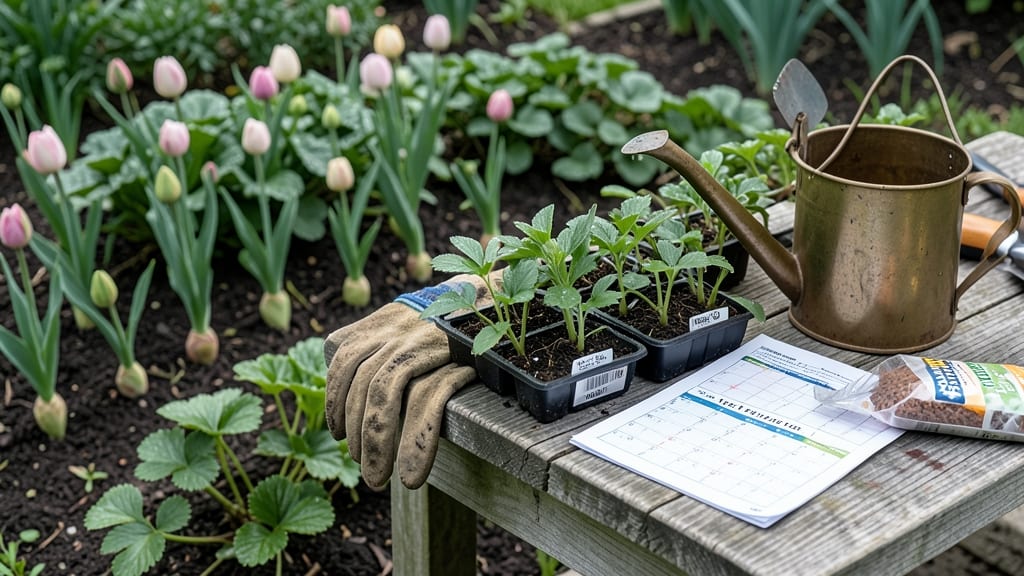
Planting your garden in Michigan at the right time means the difference between a bountiful harvest and a wasted season—and the key is knowing when to start seeds and when to put plants in the ground.
Michigan gardeners know timing is everything—plant too early and risk frost damage, too late and miss the growing season. But with the right zone-specific deadlines, you can maximize your harvest and avoid costly mistakes.
In zones 5b-6b, the last average frost typically hits around mid-April, but that doesn’t mean you should rush. Some plants need a head start indoors, while others thrive when sown directly after the soil warms.
Here’s how to align your planting schedule with Michigan’s climate, from early spring starts to fall crops, so you never miss a season again.
Michigan planting zones explained: when to start seeds indoors vs. outdoors
Michigan spans USDA zones 5b, 6a, and 6b, which means gardeners here face unique challenges balancing early springs and late frosts. Understanding your specific zone helps determine when to start seeds indoors versus direct-sowing outdoors.
In Zone 5b, last frost typically arrives around April 25, while Zones 6a and 6b see frost-free dates by April 15. These dates shift your planting timeline significantly, especially for heat-loving crops like tomatoes and peppers.
Starting seeds indoors gives you a head start, but timing matters.
For cool-season crops like lettuce or peas, you can direct-sow as soon as soil is workable—often by early April in Zone 6b. However, warm-season crops like basil or cucumbers need to wait until after the last frost, with seeds started indoors 6-8 weeks before transplanting.
This means mid-March for Zone 6b and late March for Zone 5b to ensure healthy seedlings ready for late April planting.
Here’s how Michigan’s zones break down for planting:
For cool-season vegetables, like kale or carrots, you can often direct-sow outdoors 4-6 weeks before the last frost. This means early March in Zone 6b and late March in Zone 5b. These hardy crops tolerate light frosts, making them ideal for early planting.
However, warm-season crops must wait until soil temperatures reach at least 50°F, which typically aligns with late May for Zone 5b and early May for Zones 6a/6b.
Herbs like parsley and cilantro thrive in cooler temperatures, so they can be sown directly outdoors in early spring. In contrast, basil and dill prefer warmer soil and should be started indoors 4-6 weeks before the last frost.
This timing ensures they’re ready to transplant when nights stay consistently above 50°F, usually by mid-May in most of Michigan.
Flowers follow similar rules: pansies and snapdragons can handle early spring planting, while marigolds and zinnias need warmer soil. For annuals like petunias, starting seeds indoors in March gives them enough time to mature before the growing season peaks in June and July.
Perennials, such as daylilies and coneflowers, can be planted in early spring or fall, but avoid transplanting when soil is frozen or waterlogged.
Michigan’s first frost typically arrives in mid-October, but this varies by zone. In Zone 5b, gardeners often see frost by October 10, while Zones 6a/6b may extend the season until October 20.
This means fall planting of cold-hardy crops like spinach, radishes, and kale can continue until early September for a late harvest. For warm-season crops, succession planting every 2-3 weeks ensures a continuous harvest before frost.
Pro tip: Use row covers or cold frames to extend your growing season by 2-4 weeks in both spring and fall. This simple trick can push your last planting date to early June and delay the first frost’s impact on tender crops.
Always check Michigan State University Extension for localized frost data, as microclimates—like urban areas or near lakes—can shift frost dates by 1-2 weeks.
Remember, soil temperature matters more than air temperature. Use a soil thermometer to confirm 50°F for warm crops and 40°F for cool crops before planting. This small step prevents stunted growth or poor germination, saving you time and frustration.
With these zone-specific deadlines, you’ll be well on your way to a bountiful Michigan garden!
Best vegetables and flowers to plant by month in Michigan
Michigan's short but productive growing season demands smart planning. Early spring brings frost-sensitive cool-season crops, while summer rewards heat-lovers like tomatoes and peppers. Fall offers a second chance with cold-hardy greens. Let’s break down the best month-by-month planting schedule for your Michigan garden.
Start with March sowings of cold-hardy onion sets and peonies. By April, the ground thaws enough for spinach, lettuce, and pansies. Summer’s heat-tolerant stars—zucchini, marigolds, and sunflowers—thrive in June and July. Finally, September and October welcome kale, radishes, and chrysanthemums before the first frost.
- 🌱 March: Start onion sets, peony bulbs, and hardy herbs indoors.
- 🌿 April: Direct-sow spinach, peas, and lettuce; transplant pansies and sweet peas.
- ☀️ May: Plant tomatoes, basil, and marigolds after last frost (typically May 15).
- 🌻 June: Sow zucchini, cucumbers, and sunflowers for summer harvests.
- 🍂 July: Succession plant bush beans and radishes; add nasturtiums for pollinators.
- 🍁 August: Prepare for fall with kale, carrots, and chrysanthemums.
- 🍂 September: Plant garlic, spinach, and pansies for early spring blooms.
For early spring, prioritize frost-resistant varieties like 'Winterbor' kale or 'Early Girl' tomatoes. These thrive in cooler temperatures and tolerate light frosts. In summer’s heat, opt for heat-tolerant plants like 'Heatmaster' tomatoes or 'Black Krim' tomatoes, which handle Michigan’s humid summers better than standard varieties.
Fall planting is your second chance for a harvest. Cold-hardy greens like 'Winter Density' lettuce and 'Red Russian' kale sweeten after frost. Pair them with flowers like chrysanthemums, which bloom until the first hard freeze. Use row covers to extend the season for broccoli and cabbage into November.
Pro tip: Always check soil temperatures before planting. Most vegetables need soil at 50°F+, while flowers like marigolds can handle cooler 40°F soil. Use a soil thermometer to avoid delays.
For Michigan’s Zone 5b-6b, aim to finish planting warm-season crops by July 4th to ensure harvests before frost.
Don’t forget perennials! Plant daylilies, coneflowers, and peonies in early spring or fall for years of color. These low-maintenance plants thrive in Michigan’s climate and return every year with minimal effort. Pair them with annuals like zinnias for summer-long blooms.