
Planting
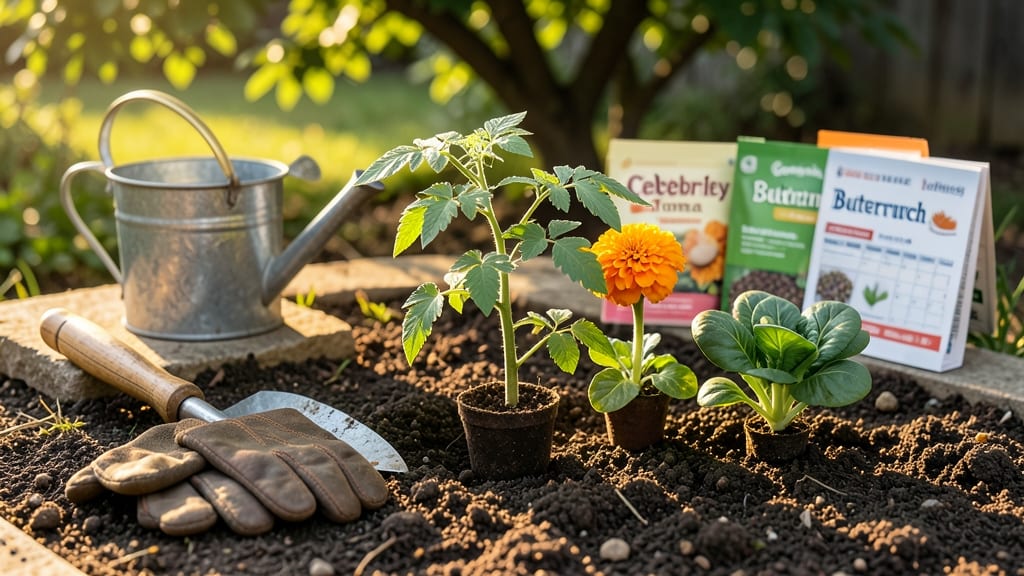
To plant a garden in Kentucky, timing is everything—especially with the state’s USDA Zones 6-8 and unpredictable spring weather.
Picture this: you’ve spent weeks preparing your soil, only to watch your seedlings wilt under a late frost or bolt into flower too fast because you planted too early.
Kentucky’s humid climate and shifting frost dates mean the difference between a thriving garden and a total flop often comes down to when you put those seeds in the ground.
From the humid subtropical west to the humid continental east, frost-free dates vary by weeks.
Cool-season crops like spinach and broccoli need to go in as soon as the soil is workable, while tomatoes and peppers wait until after the last frost—usually mid-April in the north and early March near the Tennessee border.
In this guide, I’ll break down the exact planting windows for your favorite vegetables, flowers, and perennials, plus pro tips to stretch your growing season and avoid common Kentucky gardening pitfalls.
Kentucky’s frost-free dates by USDA hardiness Zone: when to start planting
Kentucky spans USDA Zones 3a through 7a, creating a diverse planting landscape from the Appalachian Mountains to the Mississippi River Valley. These zones dictate your last frost dates and ideal transplant windows—critical for avoiding frost damage to tender seedlings.
For example, Zone 3a (eastern Kentucky) averages its last frost around April 15, while Zone 7a (western Kentucky) typically sees frost-free conditions by March 15. Understanding your zone helps you time seed starting and transplanting for maximum success.
To safely transplant seedlings, use the 10-day rule: Wait 10 days after your average last frost date to move plants outdoors. This buffer accounts for unpredictable late frosts, especially in higher elevations like the Cumberland Plateau, where cold air pools.
Urban areas like Louisville may experience 2-3°F warmer microclimates than rural farms, so adjust your timeline accordingly. For instance, if your zone’s last frost is April 20, transplant May 1 instead of April 21.
The summary table below breaks down Kentucky’s zones, average last frost dates, and recommended transplant windows. It also highlights microclimate adjustments for urban vs. rural areas and elevation impacts. Use this as your planting calendar foundation—then fine-tune based on your specific location’s weather patterns over the past 3 years.
| USDA Zone | Avg. Last Frost | Transplant Window | Urban Adjustment | Elevation Impact |
|---|---|---|---|---|
| 3a (Eastern KY) | April 15 | May 5 | +3 days (heat islands) | Delay 5-7 days (above 1,500 ft) |
| 4a (Central KY) | April 1 | April 25 | +2 days (urban heat) | Delay 3-5 days (above 1,000 ft) |
| 5a (Northern KY) | March 25 | April 15 | +1-2 days (city warmth) | Delay 1-3 days (hills) |
| 6a (Western KY) | March 15 | April 5 | 0 days (similar rural) | Minimal impact (low elevation) |
| 6b (Southwest KY) | March 10 | March 30 | -1 day (cooler suburbs) | None (flat terrain) |
| 7a (Far West KY) | March 1 | March 20 | 0 days (rural dominant) | None (Mississippi River influence) |
*Adjust dates based on your local 3-year average frost data for precision.
For cool-season crops like lettuce or kale, you can plant as early as 2-4 weeks before your last frost date—even in Zone 3a. These hardy greens tolerate light frosts and thrive in 50-60°F soil. In contrast, warm-season plants like
Best planting times for Kentucky’s top vegetables, flowers, and herbs
Kentucky gardeners know timing is everything—especially with our humid climate and variable frost dates. Plant too early, and cool-season crops bolt; too late, and warm-season favorites struggle. I’ve broken down the optimal planting windows for Kentucky’s most popular plants, including local varieties that thrive here.
For cool-season crops like spinach and broccoli, start seeds indoors 4-6 weeks before your average last frost date (typically mid-March to early April in most of Kentucky). Transplant seedlings outdoors 2-3 weeks before the last frost, or direct-sow seeds 2 weeks before frost for a head start.
Warm-season plants like tomatoes and peppers need soil temps above 60°F. In Kentucky, this usually means waiting until mid-April to early May in southern zones (7a) and late April to mid-May in northern zones (6a). Use black plastic mulch to warm soil faster if needed.
Perennials like lavender and asparagus have different rules. Plant asparagus crowns in early spring (March-April) for a 2-year harvest wait, while lavender thrives when planted in fall (September-October) to establish roots before summer heat.
| Plant Type | Cool-Season (Start Indoors) | Cool-Season (Direct Sow) | Warm-Season (After Frost) | Perennials (Best Time) |
|---|---|---|---|---|
| Spinach | 4-6 weeks before last frost | 2 weeks before last frost | N/A | N/A |
| Broccoli | 6-8 weeks before last frost | 3 weeks before last frost | N/A | N/A |
| Tomatoes | N/A | N/A | After last frost (soil 60°F+) | N/A |
| Peppers | N/A | N/A | After last frost (soil 65°F+) | N/A |
| Lavender | N/A | N/A | N/A | Fall (Sept-Oct) |
| Asparagus | N/A | Early spring (March-April) | N/A | N/A |
Pro tip: Use succession planting for continuous harvests. For example, sow lettuce every 2 weeks from spring to fall, and replant bush beans every 3 weeks after the last frost.
Kentucky’s long growing season (Zone 6a-7a) lets you squeeze in two crops of warm-season plants if you start early varieties first.
Don’t forget to adjust for microclimates. Urban areas like Louisville (Zone 7a) can be 2-3 weeks warmer than rural Appalachia (Zone 6a). Monitor your local Cooperative Extension Service updates for real-time frost forecasts—Kentucky’s weather is famously unpredictable!