
Planting
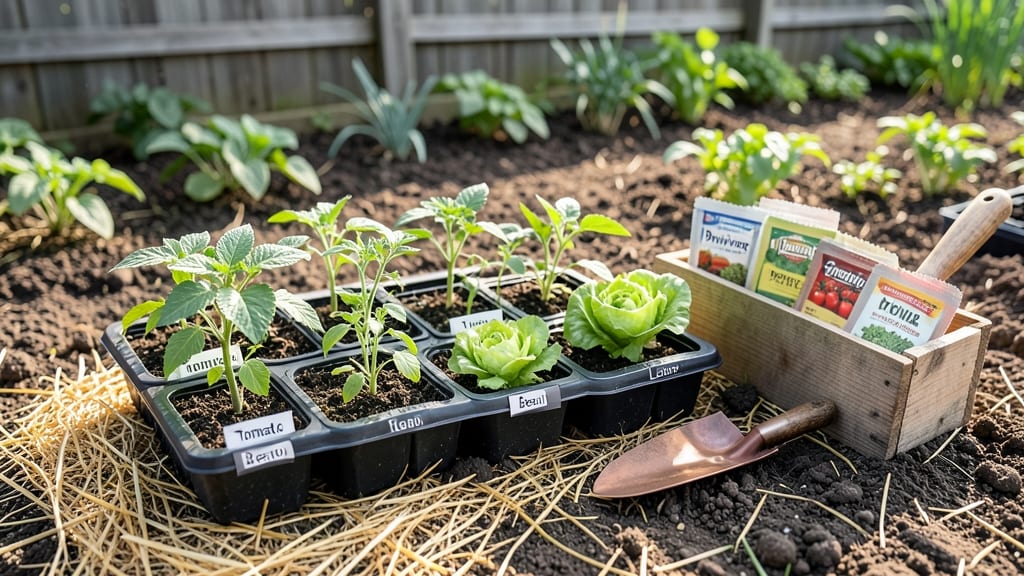
Planting your garden in Iowa at the right time means catching that narrow window between frost and summer heat—usually between mid-April and early June, depending on your zone.
Iowa’s unpredictable spring weather can make or break your garden—planting too early risks frost damage, while waiting too long cuts your harvest season short. Timing is everything, and these frost-free dates by zone will help you maximize your garden’s potential.
Whether you’re growing General Garden Plants 🌱 like tomatoes, beans, or perennials, knowing when to start seeds indoors or transplant seedlings outside is the key to a bountiful harvest.
In zones 5a-5b, most gardeners aim for late April to early May for warm-season crops, but cool-season veggies like spinach and peas can go in as early as March.
Below, I’ll break down the best planting schedule for Iowa’s most common crops, share tips for adjusting to late frosts, and even suggest a few last-minute options if you miss the usual window. Let’s get those seeds in the ground at the perfect time!
Iowa’s frost-free dates by USDA Hardiness zone: what you need to know
Iowa spans USDA Hardiness Zones 4a through 5b, with frost-free dates that vary dramatically across the state. These dates determine when you can safely plant warm-season crops like tomatoes and peppers, or cool-season staples such as spinach and peas.
Understanding your zone’s average last frost date is the first step to a thriving garden.
In northern Iowa (Zones 4a-4b), the last spring frost typically arrives between May 1 and May 15, while southern Iowa (Zones 5a-5b) sees frost-free conditions as early as April 15 to April 30.
However, these dates are averages—Iowa’s weather is unpredictable, and late frosts can occur well into May. Always be prepared to protect tender plants!
| USDA Zone | Avg. Last Frost | Avg. First Frost | Frost-Free Days | Warm-Season Planting Window |
|---|---|---|---|---|
| 4a (Northeast IA) | May 10-15 | September 20-25 | 130-140 days | Mid-May to early September |
| 4b (North-Central IA) | May 1-5 | September 15-20 | 135-145 days | Early May to mid-September |
| 5a (South-Central IA) | April 25-May 1 | September 10-15 | 140-150 days | Late April to late September |
| 5b (Southwest IA) | April 15-20 | September 5-10 | 145-155 days | Mid-April to early October |
The 10-day rule is a gardener’s secret weapon in Iowa. After your zone’s average last frost date, wait an additional 10 days before planting heat-loving crops like tomatoes, peppers, and cucumbers. This buffer accounts for late frosts and gives young plants time to establish strong roots before summer heat arrives.
For cool-season crops, start seeds indoors 4-6 weeks before your last frost date. Hardy greens like spinach, kale, and peas can often be planted 2-4 weeks before the average last frost—just be ready to cover them if nighttime temperatures dip below 25°F.
My favorite early spring crops include radishes (25 days to harvest) and lettuce (30-40 days), which thrive in cooler weather.
Microclimates play a huge role in Iowa’s planting schedule. Urban areas with concrete and pavement often experience earlier last frosts due to heat absorption, while rural fields and gardens near large bodies of water may stay frost-free 1-2 weeks longer.
Pay attention to your specific location—low-lying areas tend to freeze first, while south-facing slopes warm up faster.
Historical data shows that Iowa’s frost-free season has been lengthening by about 1-2 days per decade, thanks to climate change. However, this doesn’t mean you should plant earlier—late frosts are still common, especially in May.
Always check local weather forecasts and consider using frost-sensitive plants like geraniums as natural frost indicators in your garden.
When planning your garden, group plants by their maturity timeline. Fast-growing crops like bush beans (50-60 days) and radishes (25-30 days) should be planted first, followed by medium-season crops like zucchini (45-55 days) and peppers (60-70 days).
Save slow growers like sweet corn (90-110 days) for early May planting to ensure they mature before the first frost.
Don’t forget about fall planting! In Iowa, you can extend your growing season by planting cool-season crops 6-8 weeks before your first frost date. This gives you a second harvest of kale, carrots, and Brussels sprouts before winter sets in.
My go-to fall crops include spinach (30-40 days) and garlic (120 days), which can be planted in late summer for next year’s harvest.
For the most accurate frost dates, consult the Iowa State University Extension’s climate data or use a local weather station app. These tools provide real-time updates and historical trends that can help you fine-tune your
How to adjust planting times for Iowa’s unpredictable weather patterns
Iowa’s flash freezes and late spring frosts can throw off even the most experienced gardeners. One year, my tomato seedlings thrived after a mid-April planting—only to be wiped out by a 28°F night in early May. The key is flexibility: knowing how to shift planting windows without sacrificing your harvest.
Start by tracking your local last frost dates—but don’t rely solely on averages. In Zone 5a (northwest Iowa), the last frost often hits May 10, while Zone 5b (southeast) may see April 25.
Use these dates as a baseline, then adjust with protective strategies like row covers or cold frames.
The old rule of thumb—waiting 10 days after last frost—fails in Iowa’s volatile spring. Instead, use 30-day averages from Iowa State University Extension and add a 2-week buffer for warm-season crops (tomatoes, peppers). For cool-season crops (spinach, peas), plant 4-6 weeks before last frost.
💡 Pro Tip: Monitor National Weather Service alerts for frost advisories—they’re your early warning system.
For warm-season crops, consider succession planting. Instead of one big late-May tomato planting, try staggered sowings every 2 weeks until June 15. This spreads risk and extends harvests. My bush beans, for example, thrive when planted in early June—just as the soil warms.
Row covers and cold frames are game-changers. A simple floating row cover can protect cabbage seedlings from 32°F nights while still letting sunlight through. For peppers and eggplants, a mini greenhouse (even a clear plastic bin with a lid) buys you 3-4 weeks of earlier planting.
Don’t overlook microclimates. A south-facing slope warms up faster than a low-lying area, so plant heat-lovers like melons there. Conversely, shady spots near fences hold frost longer—ideal for late-spring lettuce. I once grew radishes in July under a drip-shade cloth and harvested them by September.
Finally, keep a planting journal. Note which years your zucchini survived a May frost and which years your cucumbers bolted in July heat.
Over time, you’ll spot patterns—like how my Zone 5b garden can safely plant green beans in late April but must wait until May 20 for squash.
With these adjustments, you’ll turn Iowa’s unpredictable weather into an advantage—just like my neighbor who grew two harvests of carrots by planting half in April and half in July. 🌱