
Picking
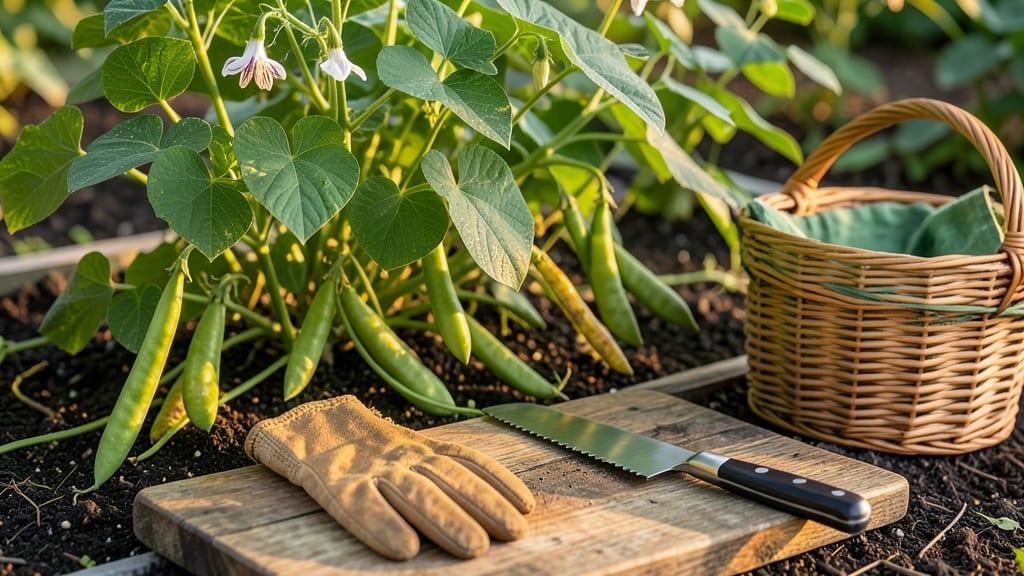
To pick green beans from your garden at their peak, aim for pods that are 4-6 inches long and bright green—any longer, and they’ll turn tough and stringy.
Green beans are a gardener’s delight—but harvesting them too early or too late can turn your crisp, tender pods into tough, stringy disappointment. Timing matters more than you think, and the secret lies in pod size, color, and even the plant’s growth stage.
Most varieties reach perfect harvest readiness about 50-65 days after planting, but the real trick is checking daily. A quick pinch test—if the pod snaps cleanly and the seeds are barely visible, you’ve nailed it.
Here’s what you’ll learn: how to spot the ideal size and color, the best time of day to harvest, and why regular picking keeps your 🌱 plants producing like crazy all season long.


How to identify the perfect green bean pod size for harvesting
Harvesting green beans at the right time transforms your garden into a crisp, flavorful feast. The key is watching for pod length, color, and texture—each signals whether your beans are ready.
Most varieties reach peak freshness when pods are 4-6 inches long, but this varies slightly by type. I’ve learned the hard way that waiting too long turns tender pods into tough, stringy messes!
Start by examining the pod length—this is your first clue. For most green beans, 4-6 inches is the sweet spot. Hold the pod between your fingers: if it’s bright green and firm, it’s time to harvest.
If it feels rubbery or the seeds are visible through the skin, you’ve missed the window. I always check pods every 2-3 days during peak production to catch them at their best.
Color is another critical visual cue. Ready-to-harvest pods should be vibrant green, not pale or yellowing. Some heirloom varieties may develop slight mottled patterns, but they should still be crisp.
I keep a small notebook by my garden to track color changes—it’s amazing how quickly pods shift from perfect to past their prime!
Texture reveals a lot about maturity. A perfectly ripe green bean pod will snap cleanly when bent. If it bends without breaking or feels leathery to the touch, it’s overripe.
I test a few pods daily by gently snapping them—this quick check saves me from harvesting beans that’ve already gone tough. Pro tip: The younger the pod, the sweeter the flavor, but they must be large enough to eat!
| Pod Stage | Length | Color | Texture | Harvest Time |
|---|---|---|---|---|
| Too Early | Under 3" | Pale green | Rubbery | Wait 2-3 days |
| Perfect | 4-6" | Bright green | Crisp, snaps | Harvest now! |
| Overripe | 6"+ | Yellowing | Tough, dry | Remove plant |
Don’t overlook the seeds inside the pod—they’re a dead giveaway for timing. At peak ripeness, seeds should be tiny and barely visible through the pod’s skin. If you can see them clearly or feel them pressing against your fingers, the pod has passed its prime.
Last summer, I ignored this cue and ended up with beans so tough I could barely chew them—a lesson learned the hard way!
Time of day matters too. Always harvest in the morning after dew has dried—this ensures pods are at their crispest. I’ve noticed that beans picked in the afternoon can feel slightly softer, especially in hot climates.
Keep a sharp pair of pruning shears handy to avoid damaging the plant while harvesting. A clean cut encourages more pods to form!
Regular harvesting is the secret to a bountiful green bean harvest. When you pick pods frequently, the plant redirects its energy to producing more beans instead of seeds.
I make it a habit to check my plants every 2-3 days during peak season—this keeps the production cycle going strong. If you wait too long between harvests, the plant may stop flowering entirely!
Pay attention to your specific green bean variety, as some mature faster than others. For example, bush beans often reach harvest size in 50-55 days, while pole beans may take 60-65 days.
I always jot down the variety and days to maturity when I plant seeds—it’s a simple trick that prevents guesswork later. Check the seed packet for exact timelines!
Finally, trust your taste buds as the ultimate judge. The best green beans have a sweet, crisp snap that’s unmistakable. If your freshly picked beans don’t measure up, you
Common mistakes that ruin your green bean harvest timing
Harvesting green beans at the wrong time can turn your garden bounty into a tough, stringy mess.
Many gardeners make the mistake of waiting too long, thinking bigger pods mean better flavor—but that’s not always true. Overripe beans develop hard seeds and lose their tender texture, while underripe pods stay small and bland.
The key is catching them at the perfect moment when they’re crisp, bright green, and just right for the table.
One of the biggest pitfalls is ignoring the pod size rule. Most green beans should be harvested when they’re 4-6 inches long, but some varieties—like yard-long beans—need more time.
Waiting too long causes the beans to thicken, develop visible seeds, and turn bitter. Even worse, overripe beans can stop producing new pods entirely, leaving you with a disappointing harvest.
⚠️ callout warning ⚠️
🚨 Warning: Overripe Beans = Tough Seeds & Bitter Flavor
Signs you’ve waited too long: Pods are yellowing, seeds are bulging, and beans feel woody when bitten. Once seeds are visible through the pod, it’s past prime! Harvest every 2-3 days to keep plants producing.
Another common mistake is harvesting at the wrong time of day. Morning harvests are ideal because pods are crispest after a cool night. Waiting until afternoon can make them floppy and wilted, especially in hot weather.
I always grab my pruning shears first thing in the morning and snip pods just above the leaf node—this encourages more growth and keeps the plant healthy.
Frequent harvesting isn’t just about quality—it’s about encouraging production. Green beans are heavy producers when given the right care, but they’ll slow down if left unchecked. When you pick regularly, the plant redirects its energy to growing new pods instead of letting old ones mature.
Think of it like pruning a tomato plant: the more you remove, the more the plant grows!
Don’t fall for the myth that bigger beans taste better. Many gardeners assume they need to wait for maximum size, but that’s a recipe for disappointment. Smaller, younger pods (3-4 inches) are often sweeter and more tender.
If you prefer larger beans, try harvesting a few pods at 5-6 inches to test your variety’s flavor profile. Just don’t let them get past 6 inches unless you’re growing a specialty variety like contender beans.
Finally, pay attention to your green bean variety. Bush beans and pole beans have different harvest windows, and some heirloom types mature faster. If you’re growing blue lake beans, for example, they’re best picked at 5 inches, while romano beans can wait until 7 inches.
Always check the seed packet for guidelines—but remember, visual cues like color and texture matter more than days after planting.