
Planting
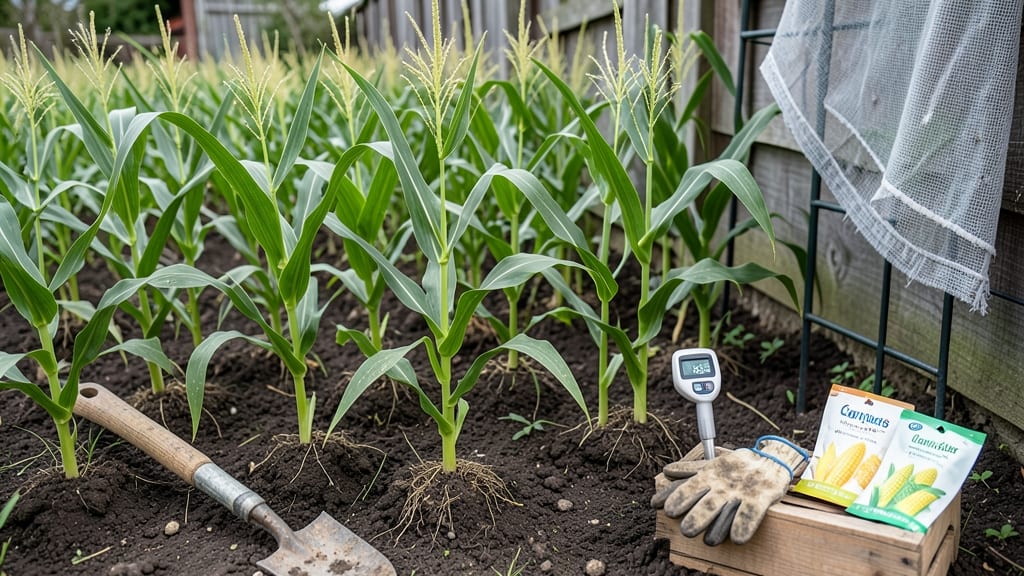
Planting a garden in Iowa means timing it right after the last frost date—typically between April 15 and May 15—to give your 🌱 seedlings a fighting chance.
Iowa’s unpredictable frost dates can turn a gardener’s excitement into frustration unless you master the Zone 5B frost-date formula to time your planting perfectly. One late frost and your tender seedlings can turn to mush overnight.
This guide breaks down the exact windows for cool-season crops like spinach and peas (plant in early spring) versus warm-season favorites like tomatoes and peppers (wait until soil warms to 50°F).
You’ll also learn how to adjust for microclimates, use soil thermometers, and avoid common mistakes—so your garden thrives, not just survives.
Iowa’s frost dates explained: when to plant cool vs warm-season vegetables
Iowa’s Zone 5B climate creates a delicate balance between cool-season and warm-season crops. The last spring frost typically arrives between April 15–May 15, while the first fall frost hits around October 10–November 10. Missing these windows can mean wilted seedlings or stunted harvests—so timing is everything.
Cool-season vegetables like spinach and peas thrive in cooler temperatures and can even handle light frosts. Meanwhile, tomatoes and peppers need warm soil and consistent heat to germinate and grow. Understanding these differences ensures your garden flourishes year after year.
Here’s how to align your planting schedule with Iowa’s frost dates to maximize success:
For cool-season crops, the key is planting early—even before the last frost. Spinach and peas can handle
The frost-date formula: how to calculate your exact planting window in Iowa
Iowa’s Zone 5B climate means frost can strike anytime between April 15 and October 15, making precise planting timing critical. The key? A two-step frost-date formula that combines soil temperature with historical frost patterns. This method ensures your seeds germinate successfully and your seedlings survive unexpected cold snaps.
First, you’ll need to know your local last frost date. While Iowa’s average is April 15, microclimates—like urban heat islands or sheltered valleys—can shift this by 1-2 weeks.
For example, Des Moines might see frost until May 1, while northern Iowa could still face danger until May 15. Check your county’s Iowa State University Extension records for precise data.
- 1
Wait until your soil reaches 50°F at a 4-inch depth. A soil thermometer is your best tool—most garden centers sell them for under $10. Cool-season crops (like peas or lettuce) can tolerate 40°F soil, but warm-season plants (tomatoes, peppers) need that 50°F minimum to germinate.
- 2
Once soil hits 50°F, plant hardy seeds (like spinach) immediately. For tender seedlings (tomato starts), wait an extra 14 days to ensure no late frost is coming. Use the National Weather Service’s 14-day forecast to double-check.
- 3
South-facing slopes warm up 1-2 weeks earlier than shaded areas. If your garden is near a lake or river, add 5-7 days to your frost-free window—water bodies delay cooling in fall. Urban areas? Subtract 3-5 days due to heat island effect.
- 4
Extend your window by 2-3 weeks with floating row covers or cloches. These protect seedlings from 28°F temperatures, letting you plant spinach or kale as early as March 20 in southern Iowa.
For fall planting, reverse the formula. Start with your average first frost date (October 15 in most of Iowa) and count backward. Cool-season crops like broccoli or carrots need 60-80 days to mature, so plant them by September 1 in northern Iowa or September 15 in the south.
Always check your seed packet’s days-to-maturity label for precision.
Pro tip: Bookmark the Iowa State University’s Frost Date Calculator (extension.iastate.edu) and input your zip code annually—frost patterns shift with climate change. I’ve used this tool for years, and it’s saved my tomato seedlings from more than one late-May frost.
Start with these steps, and you’ll never guess your planting window again.
Remember, soil temperature is more critical than air temperature. A 60°F day with 45°F soil will stall germination. Invest in a soil thermometer, and you’ll have the edge every gardener in Iowa envies.