
Planting
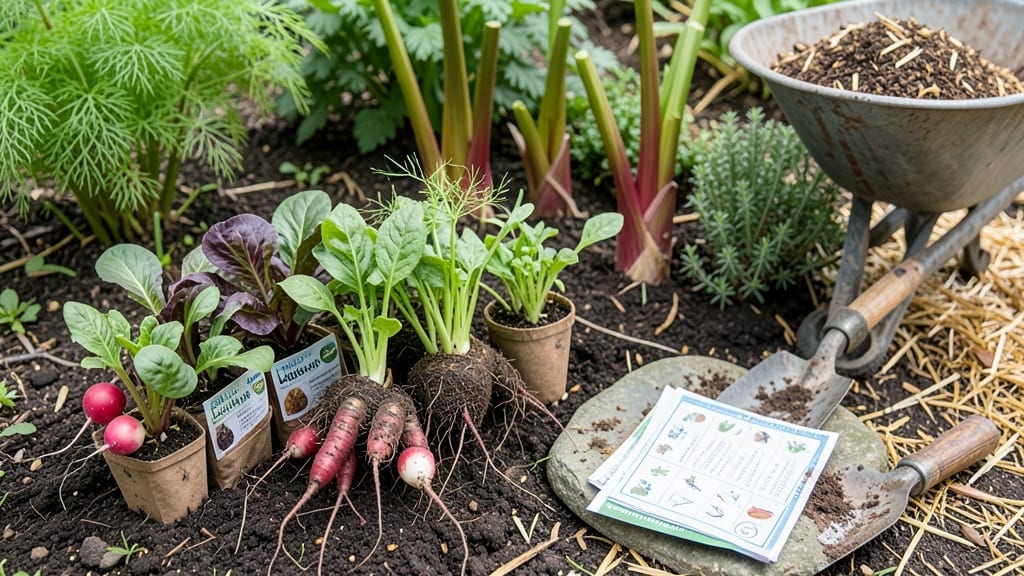
Planting your Indiana garden at the right time means the difference between a bumper crop and a wasted season—and the key is knowing when to plant garden in Indiana without guessing.
Indiana’s unpredictable spring weather can turn a gardener’s best-laid plans into a guessing game unless you know the exact frost-free dates for your zone. Timing your plantings right means the difference between a thriving garden and a sad, frost-nipped disappointment.
With USDA zones 5b-6b, Indiana gardeners have a 165-day growing window, but that doesn’t mean you can plant everything at once.
Cool-season crops like lettuce and peas need to go in 4-6 weeks before the last frost, while tomatoes and peppers wait until soil temperatures hit 60°F—usually mid-May.
Below, I break down the perfect planting schedule for your zone, including region-specific tips for urban vs. rural areas, succession planting, and how to handle late frosts. Let’s get your 🌱 garden off to the right start!
Indiana’s frost-free dates by USDA hardiness Zone (2024 guide)
Indiana’s USDA hardiness zones 5a-6b create a diverse gardening landscape, where last frost dates can vary by 2-3 weeks between northern and southern regions. Understanding these dates helps you time plantings perfectly—whether you’re sowing cool-season crops like spinach or waiting for warm-season staples like tomatoes.
My 10-year gardening experience in Zone 5b taught me that microclimates matter, especially in cities like Indianapolis versus rural areas near Lake Michigan.
For urban gardeners, concrete and buildings can delay frost by 1-2 weeks compared to open fields, while rural areas often experience earlier frosts. The Indiana State Climate Office reports that average last frost dates typically fall between April 15 and May 10, but historical data shows variability.
For example, Zone 5a (northwest Indiana) may see frost as late as May 15, while Zone 6b (southern Indiana) can be frost-free by April 20. Always monitor local forecasts and use frost clocks for real-time adjustments.
Cool-season crops like lettuce, peas, and kale should be planted 4-6 weeks before your last frost date. In Zone 5a, that means starting seeds indoors by mid-March or sowing directly in late March. Meanwhile, warm-season plants such as tomatoes, peppers, and cucumbers need to wait until after the last frost—typically mid-May in Zone 5a and early May in Zone 6b. Perennials like lavender and coneflowers can be planted in early spring or fall, but bare-root plants should go in before bud break.
Fall planting is equally critical, with first frost dates ranging from October 15 (Zone 6b) to October 30 (Zone 5a). Cool-season crops like broccoli and radishes thrive when sown 8-10 weeks before frost, meaning late July to early August in most of Indiana. Garlic and onions, planted in fall for spring harvest, should go in by October 1 to establish roots before winter. Always adjust for microclimates—for instance, southern Indiana’s warmer pockets may allow late-season tomatoes to ripen with row covers.
| USDA Zone | Avg. Last Frost | Avg. First Frost | Cool-Season Planting Window | Warm-Season Planting Window |
|---|---|---|---|---|
| 5a (Northern IN) | May 10-15 | Oct 20-30 | Mar 15-Apr 1 (indoors); Apr 15-May 1 (direct) | May 20-Jun 1 (after frost) |
| 5b (Central IN) | Apr 25-May 5 | Oct 10-20 | Mar 1-Apr 1 (indoors); Apr 1-May 1 (direct) | May 10-20 (after frost) |
| 6a (Southern IN) | Apr 15-25 | Oct 5-15 | Feb 28-Mar 15 (indoors); Mar 15-Apr 1 (direct) | Apr 25-May 10 (after frost) |
| 6b (Southeast IN) | Apr 10-20 | Oct 1-10 | Feb 15-Mar 1 (indoors); Mar 1-Apr 1 (direct) | Apr 15-25 (after frost) |
If you’re in Zone 5a, wait until May 20 to plant tomatoes and peppers, as earlier plantings risk frost damage. In Zone 6b, you can start warm-season crops indoors in March and transplant by April 25.
For container gardening, remember that pots warm up faster than
Best planting schedule for Indiana gardens: cool vs. warm-season crops
Indiana’s cool spring nights and hot summer days create a unique gardening rhythm. To maximize your harvest, align your planting with the state’s average last frost date—typically April 15—while accounting for microclimates.
Southern Indiana (Zone 6b) can plant earlier, while northern areas (Zone 5a) may need to wait until May 1 for safety.
Mastering succession planting is key for continuous yields. For example, sow lettuce every 2 weeks from March to August, while tomatoes and peppers thrive when planted after Memorial Day. Below, I’ve broken down the ideal timeline for Indiana’s most popular crops, including frost-sensitive alerts and fall replanting windows.
🌱 Indiana Planting Timeline by Season
- March-April: Start cool-season crops (spinach, peas, kale) 4-6 weeks before last frost. Transplant onions and broccoli by April 1.
- Late April-May: Plant warm-season crops (tomatoes, peppers, cucumbers) after soil reaches 60°F. Use row covers for early starts.
- June-July: Sow succession crops (bush beans, zucchini) and fall flowers (marigolds, cosmos). Thin seedlings to avoid crowding.
- August-September: Plant cool-hardy fall crops (kale, carrots, radishes) for October harvests. Avoid frost-sensitive plants after September 15.
- October-November: Add cover crops (clover, winter rye) to protect soil. Mulch perennials after first frost.
For tomatoes, wait until after May 15 in most of Indiana to avoid blossom-end rot from cold snaps. Start seeds indoors in March for a head start, then transplant hardened-off seedlings into well-draining soil with a balanced fertilizer (10-10-10). Use cages or stakes early to support growth.
Lettuce and other leafy greens are frost-tolerant and can be sown as early as March under frost cloth. For a fall harvest, replant in late July for varieties like Romaine or Buttercrunch. Space rows 12 inches apart to prevent bolting in heat.
Peppers, especially bell peppers, need consistent warmth and should only be planted after June 1 in northern Indiana. Mix compost into beds to retain moisture, and mulch heavily to regulate soil temperature. Harvest when peppers reach full color and firm texture—don’t wait for them to soften!
Extend your harvest season with succession planting: After harvesting early bush beans in July, replant with green onions or radishes, which mature in 30-40 days. For fall planting, choose fast-maturing varieties like ‘Early Girl’ tomatoes or ‘Cherry Belle’ radishes to beat the first frost.
Pro tip: Use a soil thermometer to confirm 60°F+ for warm-season crops. In Zone 5a, add 3-4 weeks to all planting dates compared to Zone 6b. With this schedule, you’ll enjoy fresh produce from spring to frost—no sad, wilted plants in sight! 🌿