
Picking
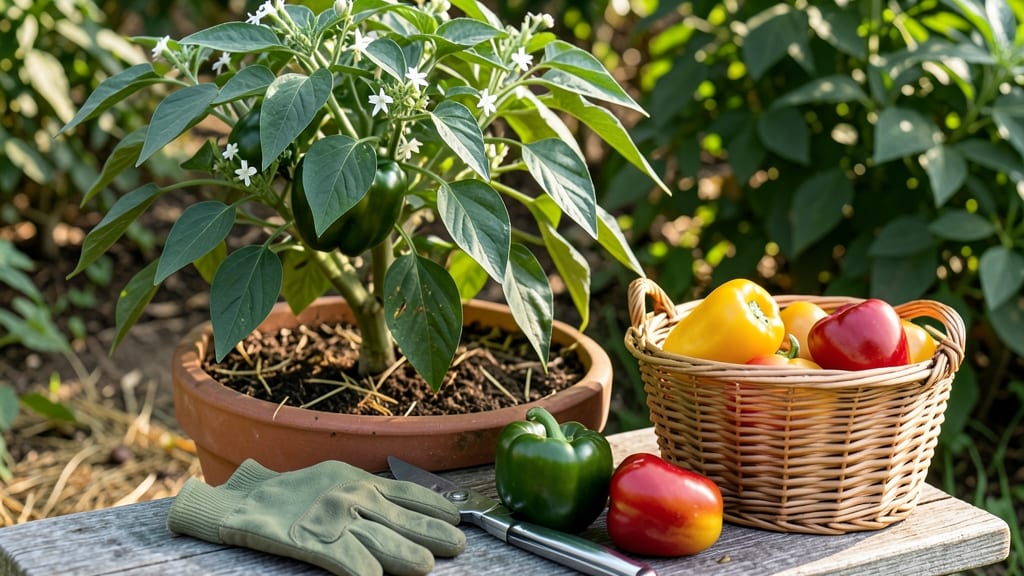
To pick bell peppers from your garden at peak flavor, watch for color changes and firmness—harvesting too early or late can turn sweet, crisp peppers into tough, bland ones.
Picture this: you’ve nurtured your 🌶️ plants all summer, and now the moment of truth arrives. One wrong move, and those vibrant peppers lose their sweetness or turn rubbery. The key? Timing based on color and texture, not just days since planting.
From deep green to fiery red, each color stage signals a different flavor profile—and missing the window means wasted effort. Whether you’re in a warm climate or a short-season zone, knowing these 5 color cues ensures you never pick too soon (or too late).
Below, I’ll break down exactly when to harvest by color, how to test ripeness beyond just looks, and storage tips to keep your peppers fresh long after the garden season ends.


5 Color stages of bell pepper ripeness (and when to harvest each)
Bell peppers are one of the most rewarding garden vegetables because they change color as they ripen, giving you multiple harvest opportunities. Unlike many crops, you can pick them at different stages for varied flavors—from crisp green to sweet red.
Each color stage offers unique taste and texture, but knowing when to harvest ensures peak quality. Let’s break down the 5 key ripeness stages and when to pick them for the best results.
The journey from unripe green to fully mature colors isn’t just about aesthetics—it’s about flavor development. Green bell peppers are harvested early, while red, yellow, and orange peppers develop higher sugar content as they ripen.
Even purple varieties follow this pattern, though their color fades to white when fully ripe. Understanding these stages helps you decide whether to harvest early for storage or wait for maximum sweetness.
| Color Stage | Flavor Profile | Best Harvest Time | Days to Ripen |
|---|---|---|---|
| Green | Crisp, slightly bitter, mild | 60-75 days (early harvest) | Harvest anytime after 60 days |
| Yellow | Sweet, fruity, tender | 75-85 days (wait for full color) | Additional 10-15 days after green |
| Orange | Balanced sweetness, slightly tangy | 80-90 days (peak sweetness) | Additional 5-10 days after yellow |
| Red | Deepest sweetness, richest flavor | 90+ days (full maturity) | Additional 10+ days after orange |
| Purple/White | Earthy, mild sweetness (purple) or crisp (white) | 85-100 days (varies by variety) | Harvest when color stabilizes |
The green stage is the most common starting point for bell peppers, especially in cooler climates where full ripening is difficult. These peppers are crisp and mild, perfect for stir-fries or pickling.
However, if you’re growing in a long, warm season, waiting for color changes unlocks sweeter, more complex flavors. For example, a red bell pepper can be up to 3 times sweeter than its green counterpart due to increased sugar conversion.
Yellow bell peppers are often overlooked but offer a unique fruity sweetness that’s less common in other varieties. They ripen just after green and are ideal for raw snacks or salads.
To harvest them at peak ripeness, wait until the entire pepper turns uniformly yellow, which can take an extra 10-15 days beyond the green stage. If picked too early, they’ll taste underripe and bitter.
Orange bell peppers bridge the gap between yellow and red, offering a balanced sweetness with a hint of tang. This stage is perfect for gardeners who want to extend their harvest window without sacrificing flavor.
Unlike red peppers, oranges don’t require as long on the plant, making them a reliable mid-season crop. Look for peppers that are fully orange with no green patches before harvesting.
Red bell peppers are the gold standard for sweetness, but they require the most patience. These peppers develop their deep red hue only after 90 days or more of growth, depending on your climate.
In short-season gardens, you might need to start peppers indoors or choose faster-maturing varieties. Once fully red, they’re richer in vitamins C and A and have a melt-in-your-mouth texture.
Purple bell peppers are a garden favorite for their unique color, but their ripeness cues are different. When fully mature, they’ll turn white or pale at the base while maintaining their purple top.
This stage is often less sweet than red or yellow but offers a distinct earthy flavor. Harvest purple peppers when the color stabilizes to avoid bitterness, which can develop if left too long on the plant.
Timing your harvest isn’t just about color—it’s also about climate and variety. In hot climates, peppers may ripen faster, while cooler regions might need protective covers to encourage full color development.
Always harvest in the morning when peppers are cool and crisp, as this preserves their texture and flavor longer. Use a clean, sharp knife or pruners to avoid damaging the plant.
If you’re unsure whether a pepper is ready, perform a simple taste test. A ripe pepper should be sweet and tender, while an underripe one will be firm and bitter. Overripe peppers may develop soft spots or wrinkles, indicating they’ve passed their prime.
By mastering these 5 color stages, you’ll always know exactly when to pick bell peppers for the best results in your garden.
How to test bell pepper ripeness beyond color (touch, size, and taste guide)
While color changes are the most obvious sign, bell peppers can be perfectly ripe even when their hue isn’t fully vibrant. I’ve learned that combining touch tests, size checks, and even a quick taste sample ensures you harvest at peak flavor.
These methods help avoid the pitfalls of underripe (tough, bland) or overripe (leathery, bitter) peppers that ruin dishes.
Start by examining the pepper’s firmness. A ripe bell pepper should yield slightly when pressed with your thumb—think of the give in a ripe avocado. If it feels rock-hard or rubbery, it’s not ready yet.
Overripe peppers, however, become flabby or wrinkled, signaling they’ve passed their prime. This simple touch test saves me from harvesting peppers that’ll taste disappointing.
Next, consider the size and shape of your bell peppers. Most varieties reach their full mature size (typically 3-4 inches in diameter) when ripe. For example, California Wonder peppers should be about 4 inches long before picking.
If peppers stay small or grow unevenly, they may need more time—or nutrients. I always measure mine against the variety’s expected size to avoid guesswork.
- 1. Firm but yielding skin – Press gently; it should give slightly like a ripe tomato.
- 2. Full variety-specific size – Measure against your plant’s expected mature dimensions.
- 3. Sweet aroma at the stem – Ripe peppers emit a faint, sweet fragrance when crushed.
- 4. Stem separates cleanly – Twist gently; it should detach easily without tearing.
- 5. Consistent color – No green patches or uneven hues (unless you’re growing a variegated variety).
Don’t overlook the taste test, especially if you’re unsure. I always sample a small piece from the shoulder of the pepper (the thickest part) before full harvest. A ripe bell pepper should be crisp, sweet, and juicy.
If it tastes bland or seedy, it’s not ready. For sweet varieties like Sweet Banana, this test is crucial—underripe peppers can be downright bitter.
Timing matters too. Harvest in the morning when peppers are cool and hydrated for the most accurate touch and taste tests. I’ve noticed that afternoon heat can make peppers feel firmer than they are, leading to premature picks.
Always harvest with a clean knife or by twisting the stem to avoid damaging the plant.
Finally, watch for regional clues. In hot climates, peppers may ripen faster and need more frequent checks. In cooler areas, they might take longer to reach full flavor.
I adjust my harvesting schedule based on local weather patterns, ensuring I don’t miss the sweetest window—usually 75-90 days after transplanting, depending on the variety.