
Planting
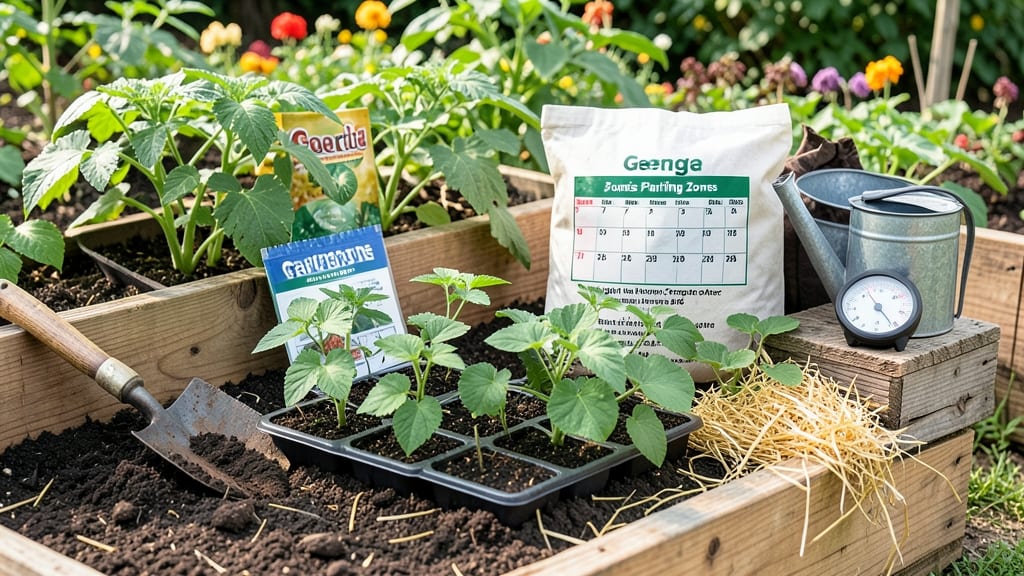
To plant a garden in Georgia at the right time means catching the 210-240 frost-free days between mid-March and mid-November—without rushing cool-season crops or waiting too long for heat-lovers.
Georgia’s warm climate and long growing season make it a gardener’s paradise—but planting at the wrong time can mean wasted effort and poor yields. Timing your garden correctly ensures healthier plants, bigger harvests, and fewer pests, whether you're growing tomatoes, peppers, or cool-season greens.
Miss the window by even a few weeks, and you’ll face stunted growth or bolted lettuce. The key? Aligning your planting with Georgia’s distinct zones—coastal areas warm up faster than the Piedmont, while mountain regions play by their own rules.
Below, I break down the best months for every crop type, how to adjust for microclimates, and the one mistake that ruins timing more than any other—so you can finally get the harvests you’ve been dreaming of.
Georgia planting calendar by crop type: best months for vegetables, flowers, and herbs
Georgia’s diverse climate zones—from the humid Coastal Plain to the cooler Mountains—create unique planting opportunities year-round. Whether you're growing heat-loving tomatoes or cool-season kale, timing is everything.
The key is understanding your zone’s last frost date (typically mid-March in Piedmont and February in Coastal Georgia) and matching crops to seasonal conditions. With the right schedule, you can enjoy three harvests a year!
For warm-season crops like peppers and okra, wait until after the last frost—usually April in the Mountains and March in Coastal areas. Meanwhile, cool-season greens like spinach and broccoli thrive when planted 4-6 weeks before the last frost.
Georgia’s long growing season also allows for succession planting, where you stagger sowings every 2-3 weeks to extend harvests.
Here’s a quick reference for Georgia’s planting zones, broken down by crop type and climate region. Use this as your guide to maximize yields and avoid common timing mistakes.
| Crop Type | Coastal Plain (Zone 8a) | Piedmont (Zone 7b) | Mountains (Zone 7a) | Notes |
|---|---|---|---|---|
| Cool-Season Vegetables | Sep-Oct & Feb-Mar | Oct-Nov & Mar-Apr | Oct-Nov & Apr-May | Lettuce, spinach, broccoli |
| Warm-Season Vegetables | Mar-Apr & Aug-Sep | Apr-May & Jul-Aug | May-Jun & Jul-Aug | Tomatoes, peppers, okra |
| Flowers | Feb-Mar & Aug-Sep | Mar-Apr & Jul-Aug | Apr-May & Jul-Aug | Marigolds, zinnias, petunias |
| Herbs | Feb-Mar & Aug-Sep | Mar-Apr & Jul-Aug | Apr-May & Jul-Aug | Basil, cilantro, parsley |
| Succession Planting | Every 2-3 weeks (Mar-Oct) | Every 2-3 weeks (Apr-Sep) | Every 2-3 weeks (May-Aug) | Beans, lettuce, radishes |
Let’s dive deeper into vegetable planting.
In Coastal Georgia, you can start warm-season crops as early as February for a jump on the season, while Piedmont gardeners should wait until April to avoid late frosts. Mountain regions have the shortest growing window, so focus on fast-maturing varieties like bush beans or radishes for summer harvests.
For flowers and herbs, timing matters just as much.
Plant annuals like zinnias in early spring (March in Coastal areas) for summer blooms, then succession plant every 3-4 weeks until August to enjoy continuous color. Herbs like basil thrive in warm weather, so wait until after the last frost—typically April in Piedmont—and harvest leaves in the morning for peak flavor.
Don’t overlook fall planting, a gardener’s secret weapon in Georgia. After mid-summer heat, temperatures drop, making it ideal for cool-season crops. Plant broccoli and kale in August-September for harvests in November-December. This strategy extends your growing season and reduces pest pressure common in summer.
Pro tip: Use row covers or cold frames to push spring planting even earlier in Coastal and Piedmont zones. These tools can protect tender seedlings from unexpected late frosts and give you a 2-3 week head start on the season.
Just remember to remove covers once daytime temps exceed 75°F to avoid overheating.
Georgia’s humid summers demand extra care for warm-season crops. Mulch heavily to retain moisture and cool roots, and water deeply in the morning to prevent fungal diseases.
For heat-sensitive plants like cucumbers, provide afternoon shade during peak summer months. These adjustments ensure your garden thrives even when temperatures soar.
Finally, embrace succession planting to keep your garden productive year-round. After harvesting early spring greens, replant the space with warm-season crops like peppers or eggplants.
Similarly, clear out summer vegetables in late August to make room for fall brassicas. This method maximizes your garden’s potential and minimizes wasted space.
With this Georgia-specific planting calendar, you’re equipped to grow a bountiful, year-round garden. Start with the cool-season crops in fall, transition to warm-season staples in spring, and don’t forget the fall harvests that keep your kitchen stocked well into winter. Happy planting!
How Georgia’s microclimates affect planting times: Coastal vs. Piedmont vs. mountain regions
Georgia’s diverse geography creates three distinct gardening zones, each with unique frost patterns and soil conditions. The coastal plain warms quickly in spring, while mountain regions often see late frosts well into May. Understanding these differences helps you avoid wasted seeds and maximize your garden’s potential.
In coastal Georgia, mild winters mean you can start planting cool-season crops like lettuce and spinach as early as January. Meanwhile, Piedmont gardens wait until March 15 for last-frost safety, and mountain zones may not be frost-free until April 30 or later.
| Region | Last Frost Date | First Planting Window | Key Considerations |
|---|---|---|---|
| Coastal Plain | Mid-February | Late January (cool crops) | High humidity, sandy soil |
| Piedmont | Mid-March | Early March (cool crops) | Moderate temps, clay-heavy soil |
| Mountain Regions | Late April | Mid-April (cool crops) | Late frosts, cooler nights |
Soil warmth is another critical factor. Coastal areas reach 60°F soil temps by early March, perfect for warm-season crops like peppers. Piedmont gardens typically hit this mark by April 15, while mountain zones may wait until May 1. Use a soil thermometer to confirm readiness for heat-loving plants.
Humidity also plays a role. Coastal gardens battle fungal diseases like powdery mildew, requiring proper spacing and air circulation. Mountain regions, meanwhile, face shorter growing seasons, making succession planting essential for continuous harvests. Adjust your planting schedule to match your local conditions.
For warm-season crops like tomatoes and squash, coastal gardeners can plant as early as March 1, while mountain gardeners should wait until May 15. Cool-season crops like broccoli and kale thrive in coastal areas until April 30, but Piedmont gardeners can extend harvests into June with shade cloth.
Always check your local frost dates and adjust for microclimates—like urban heat islands or shaded garden spots. With the right timing, you’ll enjoy bountiful harvests across Georgia’s diverse landscapes! 🌱