
Planting
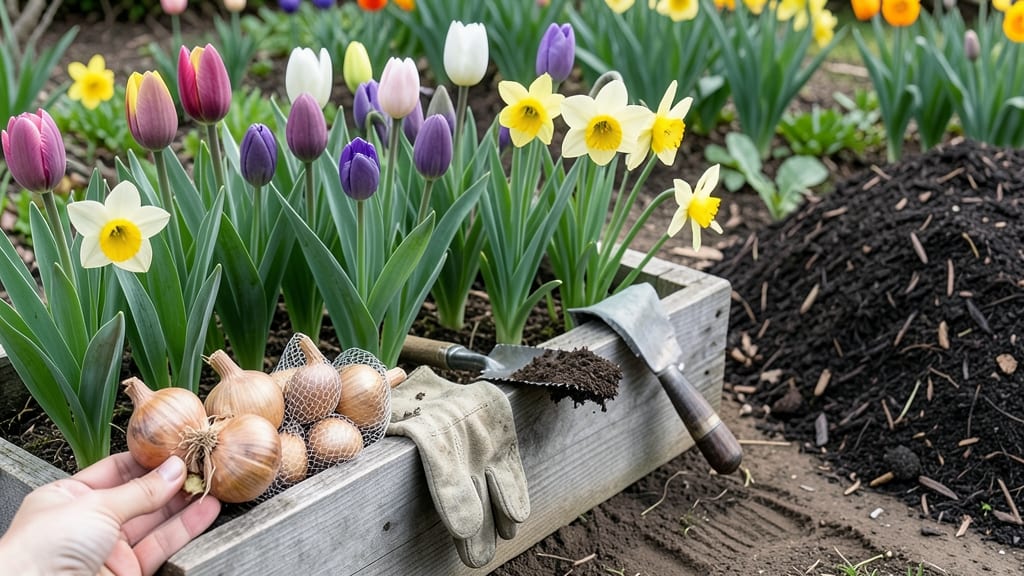
Planting your garden in Connecticut at the right time means the difference between a bountiful harvest and a season of disappointment — and those frost dates shift more than you’d expect from Fairfield to Litchfield.
Connecticut’s unpredictable frost dates can turn a gardener’s dream into a risky gamble—but timing your plantings just right means the difference between a thriving harvest and a wasted season. Here’s how to master the perfect planting windows for every Connecticut county, backed by data and expert tips.
Cool-season crops like spinach and peas can go in the ground as early as March, while warm-season favorites like tomatoes and peppers need to wait until after the last frost, which can vary by two weeks depending on where you live in the state.
Below, I’ll break down the exact frost dates by county, share proven strategies to extend your growing season, and give you a month-by-month planting calendar tailored to Connecticut’s unique climate.
Connecticut county frost dates: exact planting windows for vegetables, flowers & herbs
Connecticut’s frost dates vary dramatically by county, making precise planting timing essential for success. From the coastal warmth of Fairfield County to the colder inland regions of Litchfield County, understanding these windows ensures your cool-season crops thrive and warm-season plants avoid frost damage.
Here’s the breakdown you need to plan your garden like a pro.
Most of Connecticut falls within USDA Hardiness Zones 6a-7a, but microclimates create variations of 2-3 weeks between counties. For example, New Haven County typically sees its last frost 2 weeks earlier than Windham County.
This means a tomato planted too early in Hartford County could suffer, while the same variety thrives in Fairfield County’s milder climate.
Use this guide to align your planting with last frost dates (when it’s safe to plant warm-season crops like tomatoes and peppers) and first frost dates (when cool-season crops like kale and spinach can handle overnight chills).
For herbs like basil, timing is critical—they bolt in heat and die in frost, so aim for late May to early July in most regions.
🌱
For cool-season crops like lettuce, spinach, and peas, start seeds 4-6 weeks before your county’s last frost date. In Fairfield County, this means sowing by March 15, while in Litchfield County, wait until March 1 to avoid frost damage.
Hardier varieties like kale and broccoli can even handle light frosts, so you can extend planting into early May for a fall harvest.
Warm-season crops like tomatoes, peppers, and cucumbers need soil temperatures above 55°F to germinate. Plant these 2-3 weeks after your last frost date, which in Hartford County means waiting until May 20.
If you’re eager to get a head start, use biodegradable pots and transplant seedlings indoors under grow lights 4-6 weeks before your target outdoor date.
Herbs like basil, cilantro, and dill have the shortest windows.
Basil, for example, bolts in heat and dies in frost, so plant it after Memorial Day (late May) in most counties. Cilantro, however, thrives in cooler weather—sow it in early spring and late summer for two harvests. Dill is another cool-weather lover; plant it in March or August to avoid bolting.
Pro tip: Use row covers or cold frames to extend your cool-season planting by 2-3 weeks in early spring or late fall. This is especially useful in Windham County, where frosts arrive earlier.
How to adjust planting timing for Connecticut’s microclimates & soil conditions
Connecticut’s diverse geography—from coastal Fairfield County to inland Litchfield—creates microclimates that can shift planting windows by 2-3 weeks. Coastal areas like New Haven often enjoy warmer springs and later frosts, while inland regions like Hartford face earlier cold snaps.
Understanding these variations lets you extend your growing season without risking frost damage.
Soil type also plays a critical role. Sandy soils in coastal areas warm up faster in spring, allowing earlier plantings, while clay-heavy soils inland retain moisture longer but cool down quicker.
By combining soil warming techniques with season-extending tools, you can push your planting dates by 3-4 weeks in either direction—giving you more harvests per year.
-
1Use cold frames or row covers to plant cool-season crops like spinach and kale 4-6 weeks before your county’s last frost date. These tools raise soil temps by 5-10°F, accelerating germination.
-
2Warm soil with black plastic mulch in early spring to plant warm-season crops like tomatoes and peppers 2 weeks earlier than usual. Soil temps must reach 60°F+ for optimal growth.
-
3Monitor coastal vs. inland frost patterns: Coastal areas (e.g., Groton) average 10-14 days later for last frost than inland Torrington. Adjust planting dates accordingly for heat-loving crops.
-
4Plant frost-tolerant varieties like peas or radishes as soon as soil is workable (late March/early April). These thrive in 40-50°F soil, giving you an early harvest before summer heat arrives.
-
5Extend fall plantings with low tunnels or straw mulch to protect broccoli and carrots until mid-November. These methods delay frost damage by 3-5 weeks in most CT counties.
For coastal Connecticut, leverage the maritime effect—warmer air and later frosts. In Fairfield County, for example, you can plant cucumbers as early as May 10th (vs. May 25th inland). Use a soil thermometer to confirm temps are 65°F+ before seeding.
Inland areas like Litchfield County benefit from row covers to shield lettuce and spinach from late spring frosts. A simple floating row cover can add 5-8°F of protection, letting you plant 2 weeks earlier without risk. Pair this with drip irrigation to keep soil moist during dry spells.
Pro tip: Track your local frost-free days (typically 165-180 days in CT) and use a planting calendar tailored to your microclimate. For instance, Hartford’s shorter season means prioritizing fast-maturing varieties like bush beans (50 days) over pole beans (70+ days).
With these adjustments, you’ll maximize your garden’s potential—no matter where in Connecticut you garden.