
Planting
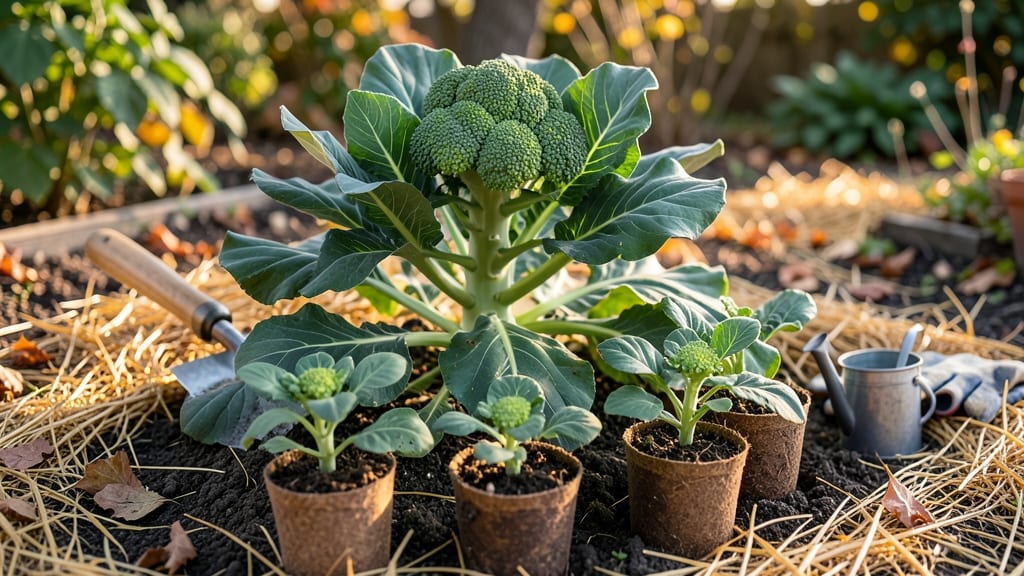
Planting your fall garden in Zone 7 between mid-August and late September ensures a harvest before frost 🥬—but miss that window, and you might end up with bolted greens or stunted roots.
Timing your fall garden in Zone 7 can mean the difference between a bountiful harvest and wasted seeds—get it right, and you’ll enjoy fresh greens, root vegetables, and herbs long after summer fades.
With Zone 7’s first frost typically arriving around November 1, you’ve got a tight but workable timeline to get cool-season crops in the ground. Most leafy greens and root vegetables thrive when planted 4-6 weeks before frost, so mid-August is your sweet spot for a jumpstart.
Below, I break down the exact weeks to plant by crop type, how to adjust for your specific microclimate in Zone 7, and proven tricks to stretch your harvest well into late fall—no matter if you’re in the Piedmont or along the coast.
Exact weeks before frost to plant fall vegetables in Zone 7
In Zone 7, where the first frost typically arrives around November 1, timing your fall garden is all about working backward from that date. Most cool-season crops need 4-6 weeks of warm soil and sunlight before temperatures dip below 32°F.
Start planning by calculating your frost-free window—this ensures your plants mature before winter sets in.
For example, if you expect frost on November 1, aim to plant leafy greens like spinach or kale by mid-September (about 6 weeks out). Root crops such as carrots or beets, which take longer to mature, should go in by early August (around 12 weeks before frost).
This schedule maximizes your harvest window before winter arrives.
Here’s a quick reference for your Zone 7 fall garden—plant these crops at the right intervals to avoid bolting or stunted growth:
| Crop Type | Weeks Before Frost | Ideal Planting Window (Zone 7) | Notes |
|---|---|---|---|
| Leafy Greens (Spinach, Kale, Lettuce) | 4-6 | Mid-September to Early October | Fast-growing; harvest before frost. |
| Root Vegetables (Carrots, Beets, Radishes) | 8-12 | Early August to Mid-September | Longer maturity; plant early. |
| Brassicas (Broccoli, Cabbage, Cauliflower) | 8-10 | Late July to Early September | Start seeds indoors for head formation. |
| Herbs (Cilantro, Parsley, Dill) | 4-6 | Mid-September to Early October | Bolt-resistant varieties preferred. |
| Peas & Beans (Snap Peas, Bush Beans) | 6-8 | Late August to Mid-September | Cool-tolerant varieties best. |
| Flowers (Pansies, Calendula, Aster) | 6-8 | Late August to Early October | Adds color and attracts pollinators. |
For transplants like broccoli or cabbage, start seeds indoors 6-8 weeks before your target outdoor planting date. This gives seedlings a head start in cooler soil. Harden them off for 7-10 days before transplanting to avoid shock.
Soil temperature matters just as much as air temperature. Most fall crops thrive in soil that’s 50-65°F. Use a soil thermometer to check—cool soil slows germination. If your soil is too warm (above 70°F), wait a few weeks or use shade cloth to cool it down.
Don’t forget about succession planting! For crops like lettuce or radishes, make weekly sowings every 2-3 weeks after your initial planting. This ensures a steady supply of fresh produce right up until frost.
For example, plant a batch of radishes in early September, then repeat in mid-September and late September.
Protect tender plants with row covers or lightweight plastic tunnels if frost threatens early. These extend your harvest window by 2-4 weeks, especially for crops like spinach or kale that can tolerate light frosts. Just remove covers during the day to prevent overheating.
Finally, keep an eye on your local microclimate. Areas near large bodies of water or on north-facing slopes may experience frost 1-2 weeks earlier than the average. Adjust your planting schedule accordingly—when in doubt, plant on the earlier side of the recommended window.
With this schedule, you’ll enjoy a bountiful fall harvest of crisp greens, sweet roots, and fragrant herbs—long after your summer garden has faded away. Happy planting! 🌱
How to extend your fall harvest beyond the first frost
Even in Zone 7, where the first frost typically arrives by early November, you can still enjoy fresh produce well into fall with the right strategies. The key is understanding how to protect your plants from sudden cold snaps while maximizing their growth potential before the ground freezes.
Many gardeners mistakenly think their fall harvest ends with the first frost, but with row covers, cold frames, and strategic succession planting, you can extend your season by weeks. These methods create microclimates that shield tender plants from freezing temperatures while allowing them to continue maturing.
- Use row covers (like floating row covers) to protect plants from light frosts (28°F) while allowing sunlight and water to pass through. Ideal for leafy greens, herbs, and brassicas.
- Build a cold frame to create a 5-10°F warmer environment. Perfect for hardy crops like kale, spinach, and carrots that can tolerate 20-25°F with protection.
- Practice succession planting by sowing fast-maturing crops (like radishes, lettuce, and bush beans) every 2-3 weeks until mid-September to ensure a continuous harvest.
- Choose cold-hardy varieties such as broccoli, cabbage, and Swiss chard, which can survive 15-20°F with minimal protection and even sweeten after frost.
- Harvest before hard frosts (below 25°F) by picking leafy greens and herbs and using them in salads or cooking. Root crops like carrots and beets can be left in the ground and harvested as needed.
For Zone 7 gardeners, timing is everything. Start using row covers in late September when nighttime temperatures begin to drop below 40°F. This gives your plants a head start before the first frost arrives.
Cold frames are especially useful for slow-growing crops like broccoli or cabbage, which need extra time to mature.
Succession planting is another game-changer. By sowing quick-growing crops like radishes or lettuce every 2 weeks until mid-September, you’ll have a steady supply of fresh produce even as temperatures drop. Pair this with hardy varieties that thrive in cooler weather, and you’ll enjoy a harvest well into November.
Don’t forget to monitor your local frost dates—while Zone 7’s average first frost is November 1, early cold snaps can happen. If a hard frost (<28°F) is forecasted, cover your plants with row covers or blankets to protect them.
With these strategies, you can turn your fall garden into a late-season oasis of fresh, homegrown goodness.
🌱