
Planting
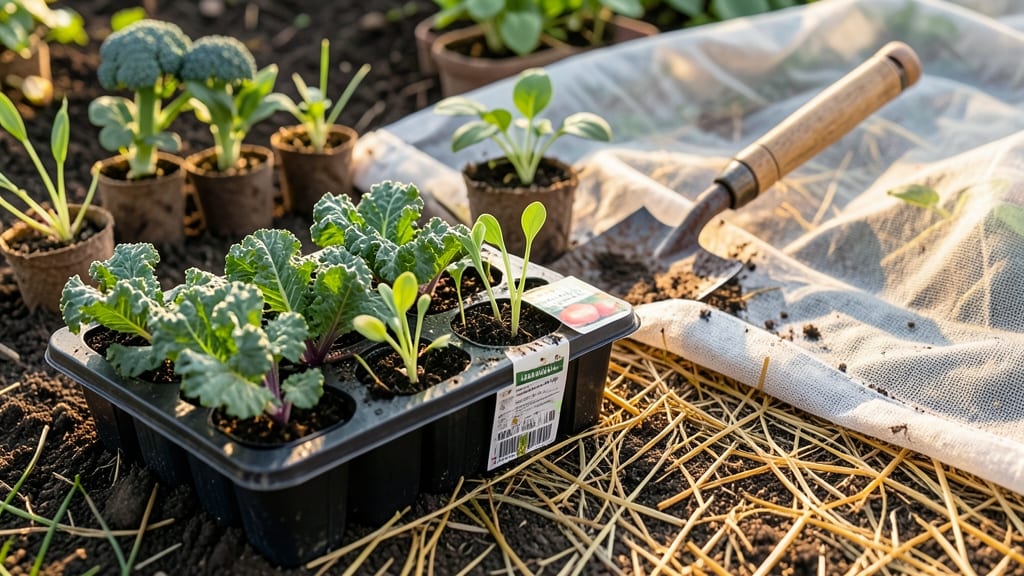
Planting a fall garden in Zone 7 between August and early October is your ticket to a harvest that lasts well into winter—if you time it right.
Missed your spring planting window? Don’t worry—Zone 7 gardeners can still enjoy a thriving fall harvest with the right timing and crop selection. The key is planting 6-8 weeks before your first frost (usually late October), giving your 🥬 vegetables just enough time to mature before the cold sets in.
This isn’t just about throwing seeds in the dirt and hoping for the best. The best fall crops—like spinach, kale, and carrots—need precise windows to thrive, and skipping the right timing means smaller yields or crops that bolt before you can harvest.
But get it right, and you’ll have fresh greens and roots long after your neighbors’ gardens go dormant.
Below, I break down the exact weeks before frost to plant for a fast harvest, the best crops for Zone 7’s short fall season, and pro tips to stretch your garden’s productivity even later into autumn. Let’s get growing!
Exact weeks before frost for fall planting in Zone 7
In Zone 7, where the first frost typically arrives around October 31, timing your fall garden correctly can mean the difference between a bountiful harvest and wasted seeds. The key is planting between 4 to 12 weeks before frost, depending on your crop’s maturity timeline.
This window ensures plants have enough time to grow, mature, and produce before winter sets in.
To calculate your exact planting window, start by checking your local USDA frost date—most Zone 7 regions have a 240-day growing season. Subtract the days to maturity of your chosen plants from this date.
For example, if your frost date is October 31 and you’re growing bush beans (50 days to harvest), plant them by September 2 to ensure a timely harvest.
Fast-growing crops like radishes (25 days) or lettuce (30 days) can be sown as late as 8-10 weeks before frost, while slower-maturing plants like kale (60 days) or broccoli (70 days) need to be in the ground 10-12 weeks early.
This strategy maximizes your garden’s productivity and minimizes waste.
Here’s a quick reference to help you plan:
| Plant Type | Days to Maturity | Planting Window (Before Frost) | Example Crops |
|---|---|---|---|
| Fast-Growing (30-45 days) | 30-45 | 8-10 weeks | Radishes, Lettuce, Spinach, Arugula |
| Medium-Growing (45-60 days) | 45-60 | 6-8 weeks | Bush Beans, Carrots, Swiss Chard, Beets |
| Slow-Growing (60-90 days) | 60-90 | 10-12 weeks | Kale, Broccoli, Brussels Sprouts, Cabbage |
| Very Slow-Growing (90+ days) | 90+ | Start indoors 12+ weeks early | Tomatoes, Peppers, Eggplant (transplant) |
For Zone 7 gardeners, this means starting your fast-growing crops like radishes or spinach as early as late July and continuing through early September. Meanwhile, slow-maturing plants like kale or brussels sprouts should be sown by mid-August to ensure they reach maturity before frost.
Don’t forget to account for local microclimates. Urban areas or spots near bodies of water may experience frost 1-2 weeks earlier than rural locations. Use a frost calendar specific to your city—tools like the Old Farmer’s Almanac or local Cooperative Extension Service provide precise data tailored to your region.
Another pro tip: Succession planting can extend your harvest window. For example, sow lettuce every 2 weeks from late July through early September. This ensures a continuous supply of fresh greens even as temperatures drop.
Pair this with row covers to shield tender plants from early frosts and push your harvests even later into the season.
If you’re growing transplants like tomatoes or peppers, start them indoors 10-12 weeks before your target planting date. These plants need a longer growing season, so plan accordingly.
For instance, if your frost date is October 31, begin seeds indoors by early August and transplant them outdoors by mid-September.
Finally, always monitor soil temperatures. Cool-season crops thrive in 50-65°F soil, while warm-season plants need 60-85°F. Use a soil thermometer to ensure your seeds or seedlings are in the ideal environment for germination and growth. Adjust your planting schedule if soil temperatures dip unexpectedly.
With these science-backed timelines and a little flexibility, your Zone 7 fall garden can flourish—delivering fresh, homegrown produce well into winter. Happy planting! 🌱
Best fall vegetables to plant in Zone 7 by maturity timeline
Fall gardening in Zone 7 thrives when you match plant maturity with your frost-free window. Most Zone 7 gardeners face their first frost around October 31, so timing is everything.
Fast-maturing crops like radishes (30 days) can be planted as late as September 15, while slower growers like kale (60+ days) need to be in the ground by August 1.
To maximize your harvest, I recommend dividing your fall garden into three planting phases: early (August), mid (September), and late (October). This staggered approach ensures a continuous supply of fresh produce.
For example, spinach (45 days) planted in early September will be ready just as broccoli (70 days) from an August planting finishes.
The key to success lies in understanding each crop's days-to-maturity and adjusting your planting schedule accordingly. Here's a breakdown of the best fall vegetables categorized by their growth speed and ideal planting windows:
| Crop Type | Days to Maturity | Planting Window (Zone 7) | Harvest Window | Notes |
|---|---|---|---|---|
| Leafy Greens | 30-50 days | Late August - Mid October | September - November | Fastest growers: spinach, lettuce, arugula |
| Root Vegetables | 40-70 days | Early August - Early September | September - October | Best choices: radishes, carrots, turnips |
| Brassicas | 50-80 days | Early July - Mid August | September - November | Cold-hardy: broccoli, cauliflower, kale |
| Herbs | 30-60 days | Mid August - Late September | September - November | Best for flavor: cilantro, parsley, dill |
| Legumes | 50-75 days | Early August - Early September | September - October | Quick growers: bush beans, peas |
For a continuous harvest, I suggest planting fast-maturing varieties every 2 weeks starting in August. For example, sow radishes in August, then again in September, and finally in October for a staggered harvest.
This method works particularly well for leafy greens and herbs, which can tolerate light frosts and actually improve in flavor after a frost.
Don't overlook succession planting for slower-growing crops like broccoli and cauliflower. Start with an early planting in July, then follow up with a second planting in early August. The first crop will mature in September, while the second will be ready in October, just before frost.
This technique maximizes your garden space and ensures you have fresh produce throughout the fall.
Pro tip: Always check seed packets for days-to-maturity and adjust your planting schedule based on your specific frost date. In Zone 7, I've found that planting 4-12 weeks before frost gives the best results. Use row covers to extend your harvest window by 2-4 weeks in early fall.