
Planting
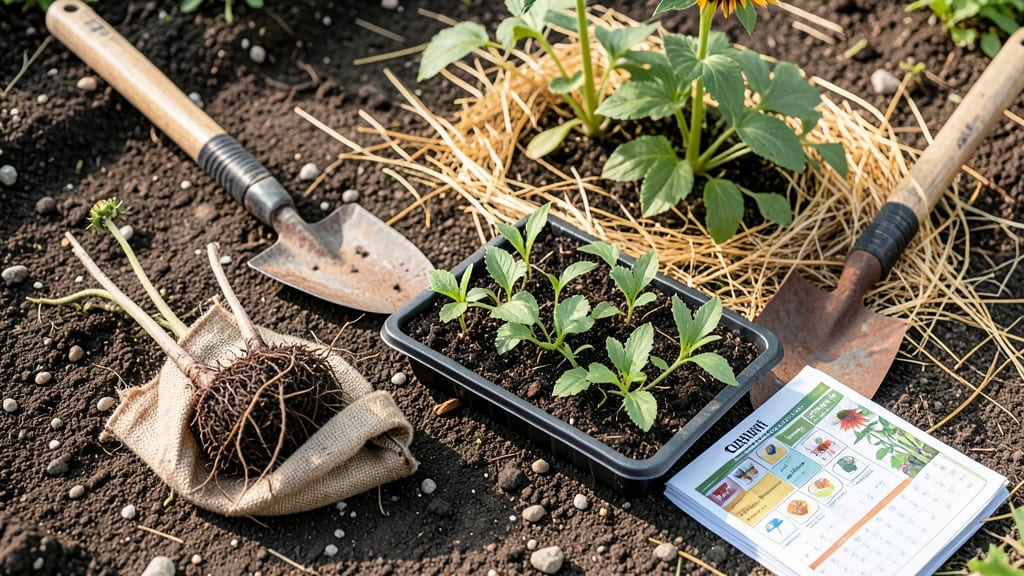
Planting a garden in North Dakota means timing is everything—get the frost-free window right, and your 🌱 General Garden will thrive; miss it, and you’re left with wilted dreams.
With USDA zones 3b-4b and a 120-day growing season, North Dakota’s short summers demand precision. Cool-season crops like peas and spinach can go in as early as mid-April, while tomatoes and peppers need to wait until late May—after the last frost, which typically hits around May 10.
But here’s the catch: late frosts can sneak in even after Memorial Day, and a single cold snap will turn your hard work into a sad, shriveled mess. That’s why knowing your region’s microclimates—whether you’re in the Red River Valley or the West River—is the key to success.
In this guide, I’ll break down the exact planting schedule by crop type, share my foolproof tricks for beating frost, and help you stretch your growing season from April to September—no matter where in the state you’re digging in the dirt.
North Dakota’s frost-free dates by region: critical planting windows for 2024
North Dakota’s growing season is short but productive when you align your planting schedule with frost-free dates. The state’s three distinct regions—West River, East River, and the Red River Valley—each have unique frost timelines that dictate when to sow seeds and transplant seedlings.
Understanding these windows helps you avoid frost damage and maximize harvests.
Frost dates vary by USDA hardiness zones, with Zone 3b in the northwest and Zone 4b in the southeast. The last spring frost typically arrives between May 5 and May 20, while the first fall frost hits between September 15 and October 5.
These dates create a 100-120 day frost-free window, leaving little room for error.
West River (e.g., Dickinson, Minot) has the shortest season, with an average last frost date of May 15 and first frost on September 25. Gardeners here must focus on fast-maturing crops like bush beans and radishes, while East River (e.g., Fargo, Grand Forks) enjoys slightly longer windows, with frosts typically occurring May 10 and October 2.
The Red River Valley, including Jamestown and Walsh, falls in between, with last frosts around May 12 and first frosts near September 30. Microclimates—like urban areas or south-facing slopes—can shift these dates by 1-2 weeks, so always monitor local forecasts.
Early-season crops like spinach and peas can tolerate light frosts, while warm-season plants such as tomatoes and peppers need the entire frost-free period to thrive. Direct-sowing too early risks seedling death, while waiting too long shortens harvests. Balance is key!
For early-season planting, start cool-season crops indoors 4-6 weeks before the last frost. Transplant hardy seedlings like kale or broccoli as soon as soil warms to 40°F. Use row covers to protect tender plants from late frosts, extending the season by 2-3 weeks.
Warm-season crops demand patience. Wait until soil reaches 55-60°F and nighttime temperatures stay above 50°F before planting tomatoes, peppers, or squash. In Zone 4b, this often means waiting until late May. Succession planting—sowing lettuce every 2 weeks—ensures a steady harvest despite the short season.
Track your local frost dates using resources like the NDAWN (North Dakota Agricultural Weather Network) or Almanac’s Frost Calculator. Adjust for microclimates: urban areas may warm 2-3°F faster than rural zones, while low-lying spots freeze earlier.
Plant heat-loving crops near south-facing walls or use black plastic mulch to warm soil.
Fall planting is just as critical. Direct-sow spinach or radishes 6-8 weeks before the first frost for late harvests. Cover seedlings with lightweight row fabric to shield them from light frosts (down to 25°F).
Perennials like asparagus or rhubarb benefit from early fall planting, establishing roots before winter.
Plan your
Best planting schedule for North Dakota vegetables: frost-tolerant crops vs. heat-lovers
North Dakota’s short 90-120 day growing season forces gardeners to strategize carefully. Cool-season crops like spinach and peas thrive in early spring’s chill, while heat-lovers such as tomatoes and peppers need warm soil to germinate. The key? Staggered planting to maximize harvests before the first frost in mid-September.
Start with frost-tolerant varieties like ‘Early Wonder’ peas and ‘Winter Density’ lettuce—they handle 30°F temperatures and can be planted as early as late April under row covers.
For warm-season crops, wait until after May 15 when soil warms to 55°F—this prevents seed rot in ‘Stupice’ tomatoes or ‘Jalapeño M’ peppers.
- 🌱 Early Spring (April 15–May 10): Direct-sow hardy greens (spinach, kale) and peas—they tolerate light frost. Start onion sets and broccoli indoors for transplanting after last frost.
- ☀️ Late Spring (May 15–June 10): Plant warm-season starters (tomatoes, peppers) after soil reaches 55°F. Use black plastic mulch to warm soil faster in cooler zones like USDA 3b.
- 🌿 Summer (June 15–July 15): Succession-plant bush beans and lettuce every 2 weeks for continuous harvests. Transplant cucumbers and squash after danger of frost passes.
- 🍂 Late Summer (July 20–August 15): Sow cool-season crops again for fall harvests—‘Winterbor’ kale and ‘Red Sails’ lettuce thrive in 50°F soil. Protect with floating row covers if frost threatens early.
Succession planting is your secret weapon in North Dakota. For lettuce, sow seeds every 2 weeks from May until July 15 to avoid bolting (going to seed) in 70°F+ heat. Try ‘Arctic King’ romaine—it tolerates 25°F and matures in 50 days, perfect for late-summer starts.
Tomatoes and peppers demand consistent warmth. Plant ‘Glacier’ tomatoes (a cool-tolerant variety) in early June and use wall-o-waters to keep roots cool. For peppers, opt for ‘Carolina Wonder’, which handles North Dakota’s short season better than traditional varieties.
Don’t overlook beans—they fix nitrogen in the soil and grow quickly. ‘Provider’ bush beans mature in 50 days, giving you time for 2 plantings: one in late May and another in mid-July.
Always stake or trellis pole beans like ‘Kentucky Wonder’ to save space and improve air circulation.
Plan for fall harvests by sowing spinach and radishes in early August. These crops prefer cool weather and can be harvested before frost. Use straw mulch to insulate soil and extend the season by 2–3 weeks—critical in North Dakota’s USDA 3b-4b zones.