
Planting
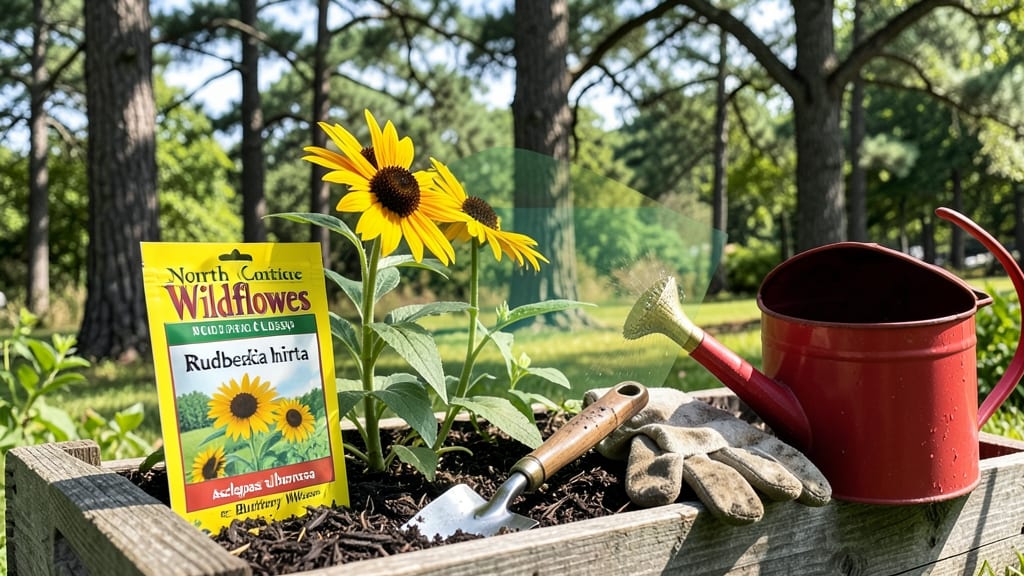
Planting a garden in North Carolina means timing your seeds and transplants to avoid late frosts in the mountains or lingering coastal humidity—each of the state’s 8 zones has its own frost-free window.
Miss the mark, and you’ll either watch seedlings freeze in a Piedmont valley or struggle with bolting greens before summer heat sets in.
The difference between a bumper crop and a sad patch is knowing when to start cool-season crops like broccoli or when to rush warm-season tomatoes into the ground.
North Carolina’s zones range from 5A in the mountains to 8A along the coast, meaning your last frost date could be as early as March 15 in the High Country or as late as April 15 in the Coastal Plain.
That’s a month’s difference—enough to change what you can grow and when.
In this guide, I’ll break down the exact frost dates by zone, the best plants for each season, and how to stretch your growing window with row covers or succession planting—so you can enjoy a harvest from spring greens to fall squash, no matter where you live in the Tar Heel State.
NC planting zones & frost dates: when to start seeds & transplant
North Carolina spans 8 USDA hardiness zones (5A-8A), creating wildly different planting windows from the mountains to the coast. Your last frost date shifts dramatically—Zone 5A (mountains) may see frost in May, while Zone 8A (coastal) stays frost-free until January.
Understanding these zones helps you time seed starting and transplanting for maximum success.
Cool-season crops like kale and broccoli thrive in spring and fall, while warm-season favorites such as tomatoes and peppers need soil temperatures above 60°F.
Microclimates—like valleys (warmer) vs. mountaintops (colder)—can shift your planting window by 2-4 weeks. Always check NC State Extension’s frost maps for your exact location.
Pro Tip: Start cool-season seeds indoors 6-8 weeks before your average last frost, and warm-season seeds 4-6 weeks before transplanting. Use row covers to extend early spring planting in cooler zones.
In Zone 5A (mountains), late spring frosts are common, so protect tomatoes and peppers with frost cloth until June 1. Meanwhile, Zone 8A (coast) gardeners can grow sweet potatoes and okra year-round with minimal frost risk. Always adjust for microclimates—a south-facing slope may warm up 2
Best plants to grow in NC by season: timing for maximum yield
North Carolina’s diverse microclimates create perfect conditions for year-round gardening, but timing is everything. The Coastal Plain (Zone 8A) enjoys longer growing seasons, while the mountains (Zone 6A) face earlier frosts. By aligning your planting with NC’s seasonal rhythms, you’ll avoid frost damage and maximize harvests.
Cool-season crops like kale and spinach thrive in NC’s winter months (Jan-Mar) and fall (Sep-Nov), while tomatoes and peppers need the warmth of spring (Apr-Jun) and summer (Jul-Aug). Even perennials have ideal planting windows—like asparagus crowns in early spring or lavender in fall.
- Jan-Mar (Cool-Season): Plant broccoli, carrots, and onions—these handle NC’s 50-60°F soils. In Zone 7A+, try cabbage and peas for early harvests.
- Apr-Jun (Warm-Season Start): Wait until soil warms to 60°F (test with a thermometer!) to plant squash, beans, and cucumbers. Mountain zones may delay until mid-May.
- Jul-Aug (Summer Heat): Opt for heat-tolerant varieties like Okra or sweet potatoes in southern NC. In the Piedmont, succession plant bush beans every 2 weeks for continuous yields.
- Sep-Nov (Fall Revival): Replant cool-season favorites like radishes (fast-growing!) and lettuce. Use row covers to extend harvests past first frost (typically late Oct in mountains).
- Year-Round Winners: Strawberries (perennial), green onions, and Swiss chard handle NC’s temperature swings. Mulch heavily in winter to protect roots.
For southern NC (Zones 7B-8A), prioritize heat-loving crops like eggplant and black-eyed peas, which thrive in the humid summers. Meanwhile, mountain gardeners (Zones 6A-7A) should focus on early-maturing varieties of tomatoes (e.g., ‘Mountain Merit’) to beat late frosts.
Pro tip: Use NC State Extension’s frost date tool to pinpoint your local window. For example, Asheville’s last frost is April 15, while Wilmington’s first frost arrives November 15—plan accordingly! Adjust for microclimates, like frost pockets in valleys or warmer urban areas.
By following these seasonal cues, you’ll turn NC’s variable climate into a gardener’s advantage. Start with one season’s crops, then expand as you master the timing—your future harvests will thank you! 🌱