
Planting
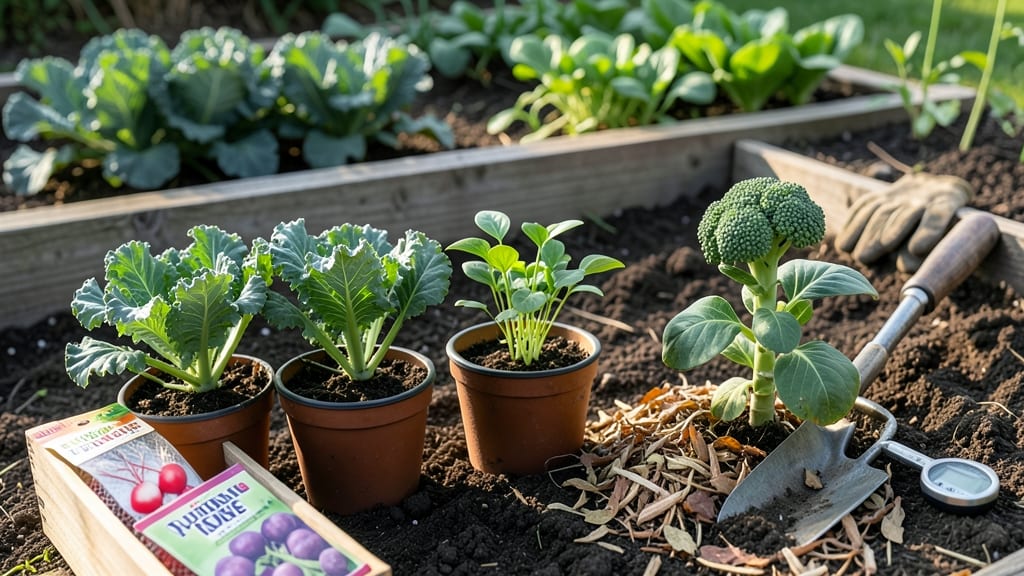
Planting a fall garden in Missouri between mid-August and mid-September is your ticket to crisp, homegrown greens and root veggies before winter sets in.
Missouri’s unpredictable fall weather can make or break your garden—plant too early, and frost ruins your harvest; too late, and you miss the season entirely. But with the right timing, you can grow thriving vegetables like kale, spinach, and carrots until winter sets in.
In zones 5b-6b, the key is working backward from your first frost date—typically between October 20 and November 15. That means starting seeds indoors 4-6 weeks before transplanting, or sowing directly in warm soil when nighttime temps stay above 50°F.
Below, I’ll walk you through the exact planting windows for your region, the fastest-growing crops to beat frost, and how to stretch your harvest through light freezes—so you’re eating fresh 🥬 even in December.
Missouri fall planting deadlines by USDA Zone (6a vs 6b vs 7a)
Timing your fall garden in Missouri depends heavily on your USDA zone—just a few miles can shift your first frost date by weeks. In Zone 6a (e.g., northern Missouri), the season is shorter, while Zone 7a (e.g., southern Missouri) offers a longer window.
For St. Louis (Zone 6b), you’ll find a sweet spot between the two extremes.
Cool-season crops like kale, spinach, and carrots thrive in Missouri’s fall, but planting too late risks stunted growth before frost. Start seeds 4-6 weeks before your first frost date for a full harvest. Transplants like broccoli or cabbage need even earlier timing—often 6-8 weeks out.
Here’s the breakdown for Missouri’s most critical regions, including St. Louis (Zone 6b), Kansas City (Zone 6a), and Columbia (Zone 7a). Use these deadlines to plan your fall garden calendar and avoid common mistakes like overcrowding or frost damage.
| USDA Zone | Region | First Frost Date | Seed Planting Deadline | Transplant Deadline | Fast-Growing Crops | Slow-Growing Crops |
|---|---|---|---|---|---|---|
| 6a | Kansas City, Springfield | October 20 - November 1 | August 15 - September 15 | September 1 - September 20 | Radishes, Lettuce, Spinach | Broccoli, Cabbage, Kale |
| 6b | St. Louis, Jefferson City | October 25 - November 5 | August 20 - September 20 | September 5 - September 25 | Arugula, Swiss Chard, Peas | Brussels Sprouts, Carrots, Onions |
| 7a | Columbia, Cape Girardeau | November 5 - November 15 | August 25 - September 25 | September 10 - October 1 | Bok Choy, Mustard Greens, Turnips | Cauliflower, Leeks, Parsnips |
For Zone 6a, where winters arrive earlier, focus on fast-maturing crops like radishes or lettuce. These can be sown as late as mid-September and still yield before frost.
In Zone 7a, you have a bit more flexibility—slow growers like Brussels sprouts or leeks can handle cooler temps and may even survive light frosts.
In Zone 6b (St. Louis), I’ve found success with succession planting. Start a batch of spinach in early September, then follow up with kale in mid-September.
This staggered approach ensures a continuous harvest until the first hard freeze. Use row covers to extend the season by 2-3 weeks if needed.
Missouri’s fall soil temperatures drop faster than you might expect, so avoid planting warm-season crops like tomatoes or peppers after mid-August. Instead, switch to cool-season staples that thrive in 50-65°F soil. Test your soil with a thermometer—if it’s below 50°F, wait a week or two before planting.
Pro tip: Use frost cloth or low tunnels to protect tender crops like baby greens or herbs during unexpected cold snaps. I’ve saved entire harvests by covering my arugula beds with lightweight fabric when temperatures dip below 32°F at night.
This simple trick can add 2-4 weeks to your growing season.
If you’re in Zone 6a or 6b, don’t wait until September to prep your soil. Amend beds with
Best fall vegetables for Missouri gardens and their planting strategies
Missouri’s cool fall temperatures create perfect conditions for growing frost-tolerant vegetables like kale, carrots, and spinach. These crops thrive when planted 4-6 weeks before the first frost (typically mid-August to early September).
The key is selecting varieties that mature quickly or can handle light frost, ensuring a bountiful harvest before winter sets in.
For a successful fall garden, focus on fast-growing varieties and succession planting to stretch your harvest. Leafy greens like spinach and lettuce can be harvested in as little as 30-40 days, while root vegetables like carrots and beets take 60-70 days.
Companion planting also plays a crucial role—pairing crops like radishes with carrots deters pests while maximizing space.
When to plant fall garden in Missouri depends on your USDA zone and the crop. In Zone 6b (St. Louis, Columbia), aim to plant by mid-September for a harvest before the first frost (mid-October). In Zone 7a (Kansas City), you can extend planting until early October for a slightly later harvest. Always check your local frost dates to adjust timing accordingly.
🌱 Missouri Fall Planting Timeline
To extend your harvest, use row covers or cold frames to protect tender crops like spinach and lettuce from light frost. These methods can add 2-4 weeks to your growing season, allowing you to enjoy fresh greens well into November.
For root vegetables, focus on varieties like ‘Danvers’ carrots or ‘Detroit Dark Red’ beets, which store well in cool soil.
Companion planting is a game-changer for fall gardens. Pair onion family plants (onions, garlic, leeks) with carrots or tomatoes to deter pests like carrot flies. Bush beans also make excellent companions for cabbage and kale, improving soil health and reducing disease risk.
Avoid planting brassicas (cabbage family) near potatoes or strawberries, as they compete for nutrients.
For a low-maintenance fall garden, prioritize self-seeding crops like lettuce and spinach, which resow themselves in cooler weather. Mulch with straw or shredded leaves to retain soil moisture and suppress weeds.
Water deeply in the morning to prevent fungal diseases, and avoid overhead watering as temperatures drop. With these strategies, your Missouri fall garden will thrive until the first hard frost!