
Planting
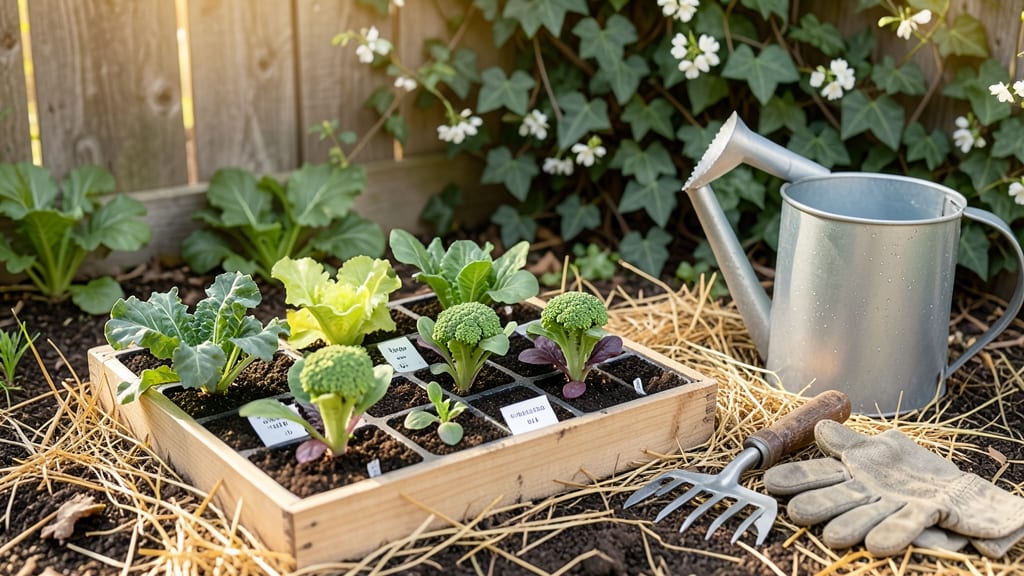
To plant a fall garden in Houston, Texas, start between mid-August and early October—the window where Houston’s heat still lingers but the first frost looms by December.
Houston’s scorching summers can make gardening feel like a losing battle—but with the right timing and heat-tolerant crops, a thriving fall garden is absolutely possible. Missing these exact planting windows, however, could leave you with wilted dreams by October.
In Zone 9a, where summers stretch into October, the key is choosing varieties that handle the residual heat while still maturing before the first frost on December 15.
Think okra, sweet potatoes, and collards—crops that thrive when daytime temps hover in the 80s°F but won’t bolt when nights dip into the 50s°F.
Below, I’ll break down the exact deadlines for seeds vs. transplants, the 3 crops that outperform others in Houston’s humidity, and how to prep your soil so it’s ready for the October-to-December harvest rush.
Houston’s fall planting deadlines: exact dates for success
Houston’s Zone 8b climate demands precise timing for a fall garden, where late summer heat clashes with cooler autumn temperatures. Missing these critical deadlines can mean stunted growth or bolting plants before harvest.
The key? Start early and adjust for raised beds (which warm faster) vs. in-ground soil (which retains moisture longer).
For direct sowing, aim to plant 45-60 days before Houston’s average first frost date (December 15)**—typically between mid-August and early October. However, heat waves can push soil temps above 90°F, stressing seedlings. Use shade cloth or opt for heat-tolerant varieties like Malabar spinach or Swiss chard.
Transplanting seedlings has a tighter window: late August to mid-September for most crops. Raised beds warm up faster, so you can push the deadline by 1-2 weeks compared to in-ground planting. Always check soil temps—ideal range for cool-season crops is 60-75°F.
Starting seeds indoors gives you a 2-week advantage. Begin heat-loving crops like okra or sweet potatoes in late July, then transition to cool-season greens (kale, lettuce) in early August. Use grow lights if natural light fades early.
| Task | Raised Beds | In-Ground | Notes |
|---|---|---|---|
| Start Seeds Indoors | Late July | Late July | Use grow lights for 14+ hours/day. |
| Direct Sow Heat-Tolerant Crops | Mid-August | Late August | Okra, sweet potatoes, black-eyed peas. |
| Transplant Seedlings | Late Aug - Mid-Sept | Early Sept | Kale, lettuce, broccoli (harden off first!). |
| Direct Sow Cool-Season Crops | Early Sept | Mid-Sept | Spinach, radishes, carrots (soil temp <80°F). |
| Last Chance for Fast-Growing Crops | Early Oct | Early Oct | Bush beans, turnips, arugula (30-45 days to harvest). |
Houston’s humidity and heat can trick gardeners into thinking summer never ends. But by late September, temps drop enough for leafy greens to thrive. Monitor your garden’s microclimate: Shady spots may stay cooler longer, while sunny areas could still hit 90°F in early October.
For raised beds, extend your season by 10-14 days—they dry out faster but warm up quicker in the morning. Mulch with straw or shredded leaves to retain moisture and regulate soil temps. In-ground beds benefit from compost amendments to improve drainage after summer’s heavy rains.
Don’t wait until October 1st to plant! By then, daytime temps may still hover above 85°F, stressing seedlings. Prioritize fast-maturing varieties (e.g., ‘Early Wonder’ peas or ‘Black Seeded Simpson’ lettuce) if you’re pushing the deadline.
Pro tip: Use a soil thermometer to confirm temps. Cool-season crops need soil below 8
Best heat-tolerant vegetables for Houston’s fall garden
Houston’s late summer heat can still linger well into September, making it tricky to grow traditional fall crops. But don’t let the 90-degree days fool you—these heat-tolerant vegetables thrive when others wilt.
I’ve grown these varieties for years in my Houston garden, and they consistently deliver abundant harvests even when temps hover near 95°F.
The key to success is selecting fast-maturing varieties that can withstand Houston’s humid subtropical climate while still producing before cooler weather arrives. Many of these crops also handle our heavy clay soil better than you’d expect, provided you amend it with compost.
Heat Tolerance Ratings
At the top of my list is okra, which grows like a weed in Houston’s heat. I’ve seen plants reach 6 feet tall in just 60 days with minimal care. The variety 'Clemson Spineless' is my go-to because it produces pods year-round with proper watering.
For leafy greens, Malabar spinach is a game-changer—it stays lush in 100°F+ temps when regular spinach bolts.
Don’t overlook sweet potatoes either. The 'Beauregard' variety thrives in Houston’s heat and produces large, sweet tubers even when other crops struggle. I plant mine in late August and harvest by mid-November, often getting 2-3 pounds per hill.
For protein-rich options, cowpeas and black-eyed peas are my top picks—they fix nitrogen in the soil while providing edible pods and seeds.
Even Swiss chard, typically a cool-season crop, handles Houston’s heat better than most. The 'Bright Lights' variety stays productive through October if I provide afternoon shade during the hottest weeks.
I’ve harvested brightly colored stalks well into November with this approach. The secret? Mulching heavily to keep roots cool and watering deeply at dawn.
For those who love tomatoes but struggle with Houston’s heat, try heat-set varieties like 'Solar Fire' or 'Heatmaster'. These can handle 95°F+ temps and still produce flavorful fruit until mid-October.
I always plant them in raised beds with 50% shade cloth during peak afternoon sun. Pair them with bush beans (like 'Contender') for a low-maintenance, high-yield combo.
Remember, the key to Houston’s fall garden is planting early—aim for mid-August for fast growers like okra and late August for slightly slower varieties. And always monitor soil moisture—Houston’s clay soil can bake hard in summer, so mulch aggressively with straw or wood chips.
With these heat-tolerant crops, you’ll have a bountiful harvest even when your neighbors are giving up.