
Planting
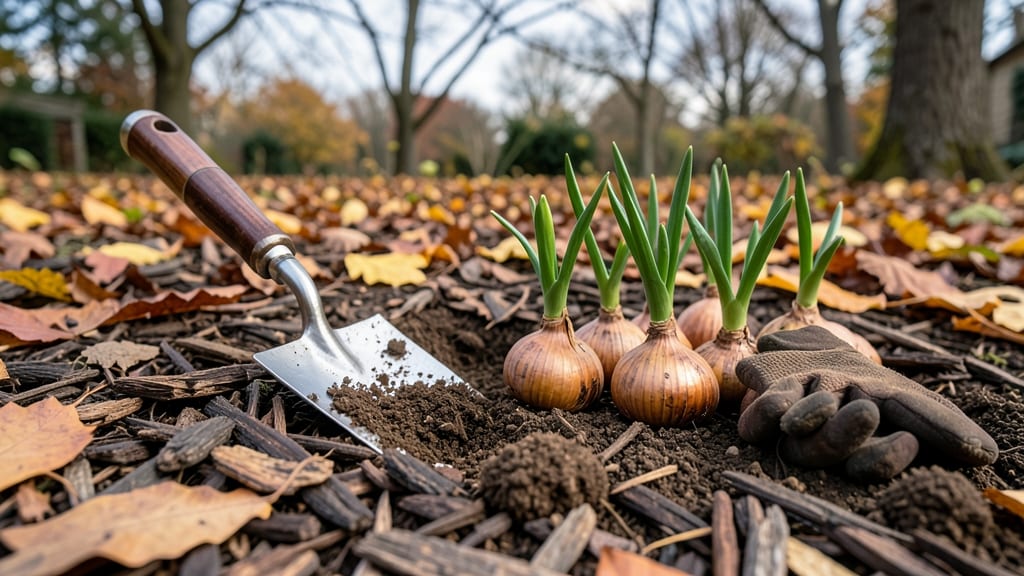
To plant bulbs in the garden for next spring’s blooms, timing is everything — get it wrong, and you’ll end up with flops instead of flowers.
Picture this: you’ve spent hours digging, dreaming of a garden bursting with color by April. But if you plant too early, the bulbs rot in the wet soil; too late, and they won’t root before winter’s chill.
The science behind it is simpler than you think, and it all comes down to frost dates and soil temps.
For USDA Zone 6a (like much of the Midwest), the sweet spot is October–November for fall-planted bulbs like tulips and daffodils, or early March–April for spring-planted varieties. Warm climates? There’s a workaround, and I’ll show you how to adjust for containers or late frosts.
Below, I break down the exact windows by bulb type, how to tell if your soil’s ready, and the one trick that saves bulbs from a frozen fate — so you can finally stop guessing and start blooming.
Ideal planting months for spring-blooming garden bulbs by climate zone
Timing is everything when it comes to planting spring-blooming bulbs like tulips, daffodils, and hyacinths. Most gardeners focus on fall planting because bulbs need a cooling period to develop strong roots before spring.
However, your USDA climate zone and local frost dates determine the perfect window—plant too early or too late, and you risk rot or missed blooms.
In cooler zones (3-5), where winters are harsh, aim to plant bulbs 6-8 weeks before the ground freezes—typically September to mid-October. In warmer zones (8-10), where winters are mild, fall planting may not be ideal, and early spring planting (February-March) often works better.
Let’s break it down by zone to ensure your bulbs get the timing they need for vibrant spring displays.
| USDA Zone | Fall Planting Window | Spring Planting Window | Key Notes |
|---|---|---|---|
| 3-5 (Cold Winters) | Late September - Mid-October | March (if fall missed) | Plant before ground freezes; mulch heavily. |
| 6-7 (Moderate Winters) | October - Early November | February - Early March | Soil should be 60°F or cooler. |
| 8-9 (Mild Winters) | November - December | January - February | Fall planting may not chill enough; spring is safer. |
| 10 (Warm Winters) | Not recommended | February - March | Use pre-chilled bulbs or plant in containers. |
For USDA zones 3-5, where winters are long and cold, fall planting in September or October is critical. Bulbs like tulips and hyacinths need this 6-8 week chill period to develop roots before the ground freezes.
If you miss this window, you can still plant in early spring (March), but blooms may be delayed or less robust.
In zones 6-7, where winters are milder, you have a bit more flexibility. Plant in October or early November for fall, or opt for February-March planting if you’re late.
The key is ensuring the soil temperature drops to 60°F or below—this triggers root growth. Use a soil thermometer to check if you’re unsure.
Gardeners in zones 8-10 face unique challenges because winters rarely provide enough chill. Fall planting often fails, so spring planting (January-February) is the best bet. For container gardens, pre-chill bulbs in the fridge for 8-12 weeks before planting to mimic winter conditions.
This trick works wonders for daffodils and crocus in warm climates.
One common exception is rain lilies (Zephyranthes) and rain crocus (Tricyrtis), which thrive in zones 8-10 and can be planted in fall or early spring. These bulbs bloom with rain and don’t require a long chill period.
Always check the specific bulb’s needs—some varieties, like fritillaria, need even more chill time than tulips.
Pro tip: Mark your calendar based on your average first frost date. For example, if frost hits November 15th, plant bulbs by October 1st in zone 6. Use a planting depth guide: most bulbs should go 2-3 times their height deep.
For tulips, that’s about 6-8 inches deep, while daffodils can handle 8-10 inches.
If you’re unsure about your zone, use the USDA Plant Hardiness Zone Map to locate your area. Many local cooperative extension offices also provide frost date data. Remember, bulb quality matters—choose firm, dry bulbs from reputable nurseries to ensure they survive the planting process and thrive in your climate.
Finally, don’t forget to mulch after planting to protect bulbs from freezing and thawing cycles. A 3-inch layer of straw or shredded leaves works well in colder zones. With the right timing, your spring garden will explode with color—worth the effort!
How to use the chill-testing method for perfect timing
If you’ve ever planted bulbs only to have them bloom late—or not at all—you’re not alone. Many gardeners struggle with timing because bulbs need a chilling period to trigger blooming. The chill-testing method ensures your bulbs get the right amount of cold before planting, guaranteeing vibrant spring blooms.
This simple technique mimics winter conditions, so you can plant bulbs at the perfect time, even if your climate doesn’t naturally provide enough chill.
Before diving in, know that most spring-blooming bulbs (like tulips and daffodils) require 12-16 weeks of cold (around 40°F or below). If your winter is mild, chill-testing is your secret weapon. Here’s how to do it right—from tools to troubleshooting—so your garden bursts into color on schedule.
Step-by-Step Chill-Testing Guide
-
Step 1: Choose Your Bulbs
Select fresh, firm bulbs (no soft spots or sprouts). Tulips, hyacinths, and crocuses are great candidates. -
Step 2: Gather Supplies
You’ll need a cool, dark space (like a garage or fridge), a paper bag or mesh container, and a thermometer to monitor temps. -
Step 3: Store Bulbs
Place bulbs in the container, ensuring they’re not touching. Store them in the crisper drawer of your fridge (or a garage if temps stay 40°F). -
Step 4: Monitor Duration
Most bulbs need 8-12 weeks of chill. Check progress by gently squeezing—if roots form, they’re ready! -
Step 5: Plant at the Right Time
Once chilled, plant bulbs 6-8 weeks before your last frost date for spring blooms. In USDA Zone 6a, this is typically October-November.
Pro tip: If you’re in a warm climate (like Zone 9-10), chill-testing is non-negotiable. Without it, bulbs may sprout but fail to bloom. For example, I once planted tulip bulbs in Southern California without chilling—they sent up green shoots but never flowered. Lesson learned!
What if your fridge isn’t cold enough? No problem! Use a seedling mat in your fridge’s coldest drawer or bury bulbs in sand or peat moss in a insulated container. Just keep temps steady—fluctuations can stress bulbs. And avoid humidity; dampness causes rot.
Troubleshooting: If bulbs sprout too early during chilling, move them to a cooler spot (like a basement). If they don’t sprout at all, they may be dormant—give them 2 more weeks.
Remember, patience is key! With the right chill, your bulbs will bloom like clockwork, turning your garden into a springtime masterpiece.