
Planting
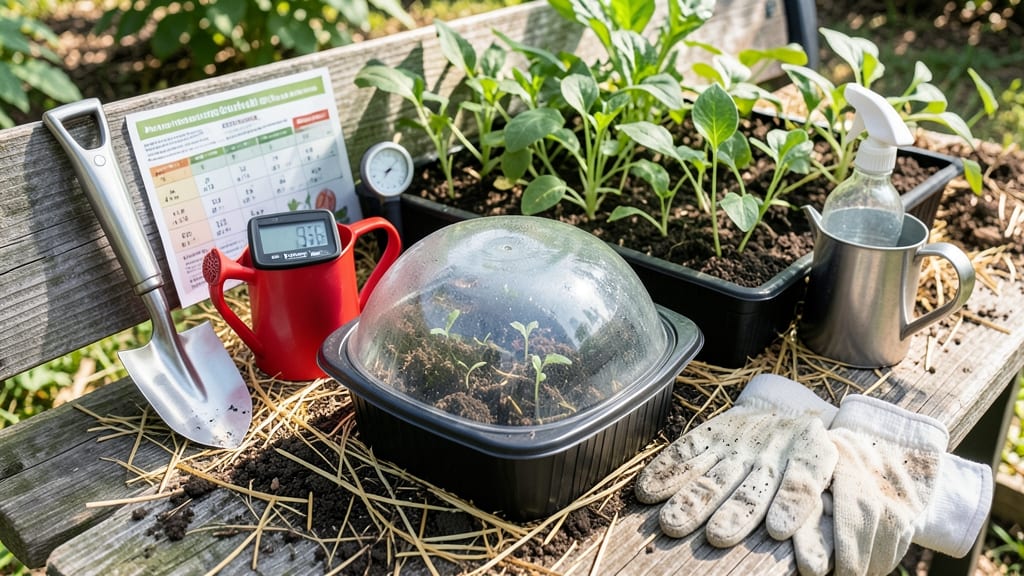
Planting a vegetable garden in Oklahoma means timing your crops to avoid frost damage and scorching summer heat—aim for late February through early April for spring and August through early September for fall.
If you’ve ever watched your tomato seedlings wilt under a late frost or seen your peppers bolt in July’s heat, you know how critical the right window is.
Oklahoma’s USDA Zone 7b climate demands precision: plant too early, and frost zaps your progress; too late, and the summer sun turns your garden into a sauna.
This guide breaks down the exact deadlines for heat-tolerant crops like okra, sweet potatoes, and black-eyed peas, plus how to adjust for microclimates—whether you’re in the panhandle’s dry winds or the eastern hills’ cooler nights.
You’ll learn spring and fall planting schedules, soil temperature tricks, and how to stretch your growing season by 2–4 weeks with smart crop choices.
Oklahoma’s USDA Zone 7b planting deadlines by season
Timing is everything in Oklahoma’s USDA Zone 7b, where last frost dates typically fall between March 15 and April 15. Planting too early risks frost damage to tender seedlings, while waiting too late can leave your garden struggling through the brutal summer heat.
Understanding these deadlines ensures your warm-season crops like tomatoes and peppers thrive while cool-season crops like lettuce and peas get a head start.
For spring planting, focus on two critical windows: 4-6 weeks before the last frost for cool-season crops and after the last frost when soil temperatures reach 60°F for warm-season varieties.
Fall planting follows a similar rhythm, with August and early September being ideal for cool-season crops to mature before the first frost in late October to mid-November.
Microclimates in Oklahoma can shift these deadlines by 2-4 weeks. Urban areas like Oklahoma City often experience heat islands that delay frost, while higher elevations in western Oklahoma may see earlier frosts. Always monitor local forecasts and adjust your schedule accordingly.
Here’s a quick reference for Oklahoma’s planting deadlines by season, including adjustments for microclimates:
| Season | Planting Window | Key Deadlines | Microclimate Adjustments |
|---|---|---|---|
| Spring | Cool-Season Crops | Late February - Early April | Urban areas: shift 1-2 weeks later; rural/high elevation: shift 1-2 weeks earlier |
| Spring | Warm-Season Crops | After April 15 (soil temp ≥60°F) | Western OK: wait until May 1; eastern OK: can plant by April 20 |
| Fall | Cool-Season Crops | August - Early September | Urban areas: extend to mid-September; rural: start by late July |
| Fall | Warm-Season Crops | Not recommended (risk of frost) | Use row covers for late-season tomatoes if temperatures stay mild |
For spring planting, start with cool-season crops like lettuce, spinach, and peas in late February. These hardy greens can tolerate light frosts and give you an early harvest. By mid-March, you can add broccoli, cabbage, and carrots, which need slightly warmer soil to germinate.
Once the last frost date passes (typically April 15), shift to warm-season crops like tomatoes, peppers, and okra. These plants thrive in Oklahoma’s summer heat but need soil temperatures above 60°F to germinate.
Use a soil thermometer to confirm readiness—waiting a few extra days is better than planting too soon.
Fall planting in Oklahoma follows a similar rhythm but works backward. Start with warm-season crops like sweet potatoes and black-eyed peas in late July to give them time to mature before cooler temperatures arrive.
By August, focus on cool-season crops such as kale, radishes, and turnips, which can handle the transition to fall.
Always account for microclimates when adjusting deadlines. For example, urban areas like Tulsa may have later frosts due to heat retention, while rural or elevated regions like the Ozark foothills can experience earlier frosts.
Pay attention to local weather patterns and use row covers or cold frames to extend your growing season if needed.
Pro tip: Use seed starting indoors to get a head start on warm-season crops. Begin seeds 6-8 weeks before the last frost to ensure they’re ready for transplanting once temperatures rise. This technique is especially useful for tomatoes and peppers, which take longer to mature.
By mastering these deadlines and adjusting for your specific microclimate, you’ll maximize your Oklahoma garden’s potential and enjoy a bountiful harvest from spring to fall. Happy planting! 🌱
Best heat-tolerant vegetables for Oklahoma gardens
Oklahoma’s Zone 7b summers can push temperatures past 100°F, but the right heat-loving vegetables thrive under these conditions.
These 10 top performers handle the heat while delivering bountiful harvests—if planted at the perfect time. Okra, sweet potatoes, and black-eyed peas lead the pack, but don’t overlook peppers or eggplants for flavor-packed rewards.
Timing is everything in Oklahoma’s climate.
Plant warm-season crops after your last frost date (typically March 15–April 15), but wait until soil temperatures hit 60°F+ for best germination. Direct-sown seeds in mid-April give plants a head start before the July heat arrives, while transplants can go in as early as late March under row covers.
For fall planting, focus on heat-tolerant greens like collard greens or Swiss chard, which handle September heat before cooler temps arrive.
Sow seeds August 1–September 1 for a winter harvest. Southern peas (like crowder peas) also excel in late summer, with a 90-day maturity perfect for Oklahoma’s short growing season.
Pro tip: Mulch heavily with straw or wood chips to lock in moisture and keep roots cool. Drip irrigation in the early morning prevents water stress, while shade cloth (30–50%) can protect young plants from intense afternoon sun during May’s transition period. Succession planting every 2 weeks ensures a continuous harvest of okra and peppers through September.
Don’t overlook lesser-known heat winners like Malabar spinach or yam beans, which thrive in 100°F+ and offer nutrient-dense greens.
These uncommon crops add diversity to your garden while outlasting traditional veggies in Oklahoma’s scorching summers. Experiment with varieties—local nurseries often carry heat-resistant heirlooms adapted to the region.
With the right planting schedule and heat-management strategies, your Oklahoma garden can produce abundant harvests even when temperatures soar.
Start with these top 10 heat-tolerant crops, and soon you’ll be enjoying homegrown okra straight from the vine on a 105°F afternoon—a true taste of Oklahoma’s gardening magic! 🌱☀️