
Planting
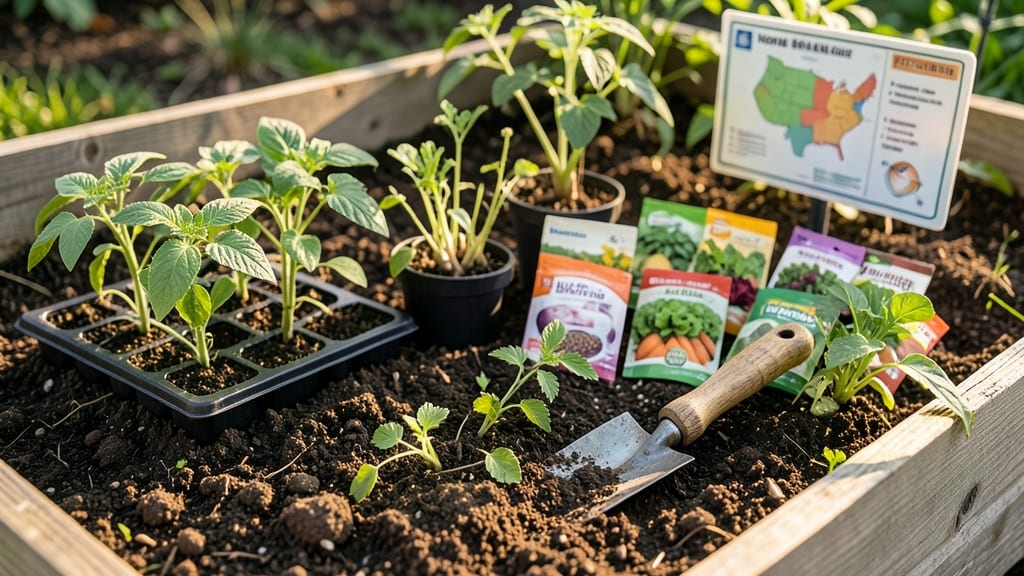
Planting a vegetable garden in North Carolina at the right time means the difference between a bountiful harvest and a wasted season.
North Carolina’s unpredictable frost dates can make or break your vegetable garden—plant too early, and frost will wipe out your hard work; too late, and you’ll miss peak harvests. Mastering the perfect timing ensures a lush, productive garden from spring to fall.
Whether you’re growing cool-season crops like lettuce or warm-season favorites like tomatoes, knowing your region’s frost dates is the key. Coastal areas have milder winters, while the mountains can see frost as late as May, so timing varies dramatically across the state.
Below, I break down the exact planting windows for every major crop, including when to start seeds indoors, transplant seedlings, and direct-sow for the best results. No more guesswork—just a garden that thrives all season long.
North Carolina frost dates by region: when to start planting cool-season vegetables
North Carolina’s diverse climate means frost dates vary dramatically from the Coastal Plain to the Mountains. In the Coastal region (USDA zones 8a-8b), the average last frost date falls between March 15-30, while mountain regions (zones 6a-7a) can see frost as late as May 15.
These differences directly impact when you can safely plant cool-season vegetables like broccoli, spinach, and peas.
Understanding your region’s frost dates helps you avoid frost damage while maximizing your garden’s potential. For example, spinach and peas can handle light frosts, but lettuce and kale may bolt if planted too early.
Below, I’ve broken down the best planting windows for each NC region, including adjustments for microclimates like valleys or urban heat islands.
| Region | Last Frost Date | First Frost Date | Best Planting Window | Cold-Hardy Crops |
|---|---|---|---|---|
| Coastal Plain (Zones 8a-8b) | March 15-30 | November 15-30 | February-March, August-September | Spinach, Peas, Broccoli, Kale |
| Piedmont (Zones 7a-7b) | April 1-15 | October 30-November 15 | March-April, September-October | Lettuce, Radishes, Carrots, Cabbage |
| Mountains (Zones 6a-7a) | May 1-15 | October 15-30 | April-May, August-September | Peas, Potatoes, Brussels Sprouts, Onions |
| Microclimates (Valleys, Urban) | Adjust ±10 days | Adjust ±10 days | Plant 2-3 weeks earlier/later | All cool-season crops |
In the Coastal Plain, where winters are milder, you can start planting cool-season crops as early as February. For example, peas and spinach thrive when sown in late winter, while broccoli and cauliflower prefer slightly warmer soil in early spring.
Use row covers to extend the season if frost threatens.
For the Piedmont region, wait until after the average last frost date of April 1-15 to plant heat-sensitive crops like lettuce and radishes. However, kale and collard greens can handle cooler temperatures, so you can sow them as early as March in sheltered spots.
Monitor local weather forecasts for late frosts, which can occur even after the average date.
The Mountains present the biggest challenge due to their later frost dates. Plant cool-season vegetables like potatoes and onions in April-May to avoid frost damage. If you’re eager to start earlier, opt for cold-hardy greens like spinach or peas, which can tolerate light frosts.
Use cold frames or black plastic mulch to warm the soil faster in early spring.
Microclimates can shift your planting window by 2-3 weeks. For instance, valleys often experience colder air pooling, delaying the last frost by up to 10 days. Conversely, urban areas with pavement and buildings may warm up faster, allowing you to plant earlier.
Always check your specific USDA zone and observe your garden’s microclimate for at least 3 years to refine your timing.
To maximize your harvest, consider succession planting. For example, sow lettuce every 2 weeks from spring to early fall to enjoy continuous harvests. Similarly, radishes mature in just 30 days, making them perfect for quick succession plantings.
Keep a gardening journal to track which crops thrive in your specific microclimate and adjust your schedule accordingly.
Protecting young plants from unexpected frosts is key. Use frost cloth or row covers for delicate seedlings, especially in the Mountains where late frosts are common. In the Coastal Plain, focus on heat tolerance
Best planting schedule for warm-season vegetables in NC: heat-tolerant crops and succession planting
North Carolina’s warm-season vegetables like tomatoes, peppers, and cucumbers thrive when planted after the last frost—typically mid-April to early May in most regions. But timing isn’t one-size-fits-all: Coastal areas can start earlier, while mountain zones may need to wait until late May.
The key is balancing soil warmth and frost risk to ensure strong, productive plants.
To maximize your harvest, I’ve broken down the perfect planting timeline for NC’s top heat-lovers, including how to harden off seedlings and use succession planting for continuous yields.
Whether you’re growing tomatoes in raised beds or squash in containers, these steps will help you avoid common pitfalls like frost damage or stunted growth.
- 1 Start seeds indoors (4-6 weeks before last frost): Mid-February to early March for tomatoes/peppers; late March for cucumbers/squash.
- 2 Hardening off seedlings (7-10 days before transplanting): Gradually expose to outdoor conditions starting 2 weeks before last frost (use shade cloth first).
- 3 Transplant seedlings after soil reaches 60°F+: Mid-April (Coastal) to late May (Mountains). Use row covers if nights are still chilly.
- 4 Direct-sow heat-lovers: Cucumbers/squash can go in 2 weeks after last frost; beans tolerate cooler soil and can start 1 week earlier.
- 5 Succession plant every 2 weeks for continuous harvests: Sow bush beans or lettuce every 10-14 days until mid-July to extend yields.
- 6 Protect young plants from late frosts: Use floating row covers or cold frames until nighttime temps stay above 50°F consistently.
For tomatoes and peppers, which are sensitive to cold, I recommend waiting until the soil temperature hits at least 60°F—use a soil thermometer to check! These plants also benefit from mulching to retain warmth and moisture, especially in NC’s humid summers.
If you’re in the Mountains, aim for late May plantings to avoid late-spring frosts.
One of my favorite tricks for continuous harvests is succession planting. For example, sow bush beans every 2 weeks from April to July—this ensures you’re always picking fresh pods instead of dealing with a one-time glut.
The same goes for cucumbers and squash: stagger plantings to avoid overwhelming your kitchen (or neighbors!) with zucchinis.
Don’t forget to monitor weather forecasts in the weeks leading up to planting. If a late frost is predicted, cover seedlings with lightweight row fabric or move potted plants to a sheltered spot. I’ve lost entire tomato starts to a surprise frost, so it’s better to be cautious!
Once your plants are established, focus on consistent watering and balanced fertilization to keep them thriving through NC’s hot, humid summers.
By following this schedule, you’ll enjoy tomatoes from July to October, peppers from August to frost, and cucumbers all summer long—with minimal waste and maximum flavor. Happy planting! 🌿