
Planting
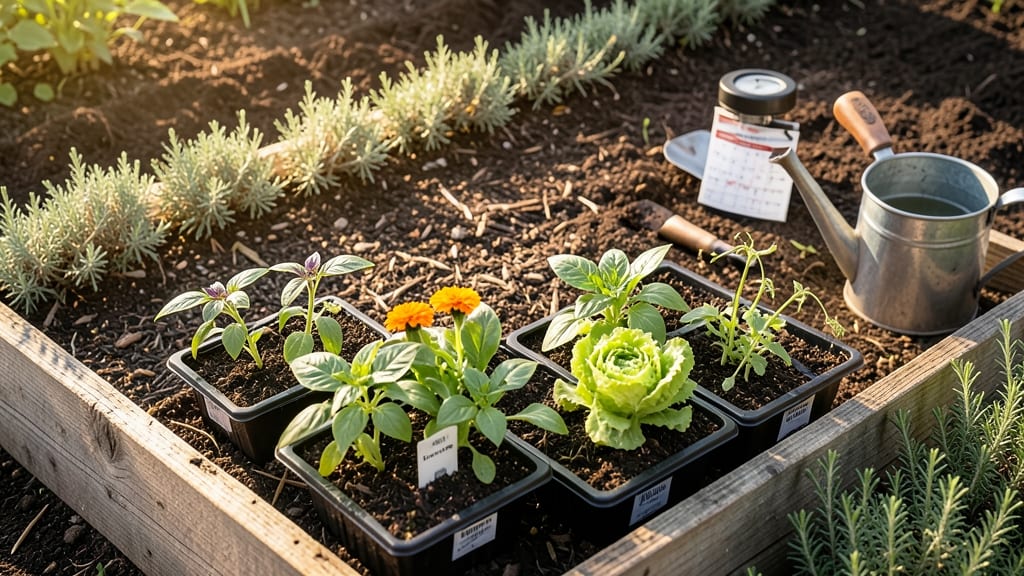
Planting a garden at the right time ensures strong roots, bountiful yields, and fewer pests—so timing your garden planting matters more than you might think.
Picture this: you’ve spent weeks prepping soil, ordering seeds, and dreaming of fresh tomatoes, only to watch your seedlings wilt under a surprise frost. Or worse, your zucchini bolts to flower before you even get a harvest.
These mistakes happen when planting is off by just a few weeks, and the good news? You can avoid them with a few simple rules.
Your USDA zone, local frost dates, and even the type of plant all play a role in the perfect window. Cool-season crops like lettuce thrive when planted in early spring or late summer, while warm-season favorites like peppers need soil to warm up first.
Below, I’ll break down the exact dates for your zone, plus pro tips to stretch your growing season and keep your garden thriving all year.
Ready to dig in? By the end, you’ll know when to plant everything from carrots to roses—no more guesswork, just a garden that works for you.
How to determine your exact planting dates by hardiness Zone
Gardening success starts with knowing your USDA hardiness zone—this simple number tells you when to plant, what to grow, and how to protect your crops from frost. If you’ve ever planted too early and lost seedlings to a surprise freeze, this guide is for you.
I’ll walk you through how to find your zone, calculate frost dates, and adjust for your unique microclimate so you can plant with confidence.
First, locate your USDA hardiness zone using the USDA Plant Hardiness Zone Map. Simply enter your ZIP code to find your zone (e.g., Zone 5a or Zone 8b). This zone determines your average annual minimum temperature, which is the foundation for all planting decisions.
For example, Zone 6a has average winter lows of -10°F to -5°F, while Zone 9a rarely drops below 20°F.
Next, find your last spring frost date and first fall frost date—these are the bookends of your growing season. The Old Farmer’s Almanac provides free frost date calculators by ZIP code.
For instance, in Zone 7b, the last frost is typically around April 15, while the first fall frost arrives by October 31. These dates tell you when to plant cool-season crops (like lettuce) and when to harvest warm-season crops (like tomatoes) before frost kills them.
Now, let’s adjust for your microclimate. Even within the same zone, your garden might experience warmer or cooler pockets. South-facing slopes warm up faster, while low-lying areas can stay colder longer.
If you’re near a large body of water, your frost dates may shift by 2-3 weeks compared to inland areas. For example, coastal Zone 8a gardens might have a longer growing season than inland Zone 8a gardens due to moderating ocean breezes.
For high-altitude gardens, adjust your zone downward by 1 zone for every 1,500 feet in elevation. For example, if you’re in Zone 7a at sea level but live at 5,000 feet, you’re effectively in Zone 5b.
This means your frost dates will be 2-3 weeks later in spring and earlier in fall. Always check local records—mountain towns like Denver (Zone 5b) can have frost until May 20, even if nearby plains are frost-free by April 15.
Once you’ve nailed down your frost dates, calculate your soil temperature. Most seeds need soil to be at least 50°F (10°C) for cool-season crops (like peas) and 60°F (15°C) for warm-season crops (like tomatoes).
Use a soil thermometer to check—planting too early in cold soil can stunt growth or cause rot. In Zone 6a, for example, soil might hit 60°F by May 10, but wait until May 20 to plant heat-loving peppers to avoid transplant shock.
Don’t forget to account for plant maturity days. If your tomato variety
Best planting times for common vegetables, herbs, and flowers
Getting your planting timing right is the secret to a bountiful garden. Whether you're growing tomatoes, basil, or marigolds, each plant has its own ideal window. Cool-season crops like lettuce and peas thrive when temperatures dip, while peppers and cucumbers need warm soil to sprout.
Below, I’ve broken down the exact planting windows for 20+ popular crops, adjusted for USDA hardiness zones 5-8—so you can plan with confidence.
For most gardeners in zones 5-8, the best time to plant vegetables and flowers falls between early spring (after the last frost) and late summer (6-8 weeks before the first frost).
However, herbs like basil and warm-season veggies like okra need to wait until soil temperatures reach at least 60°F (15°C). Below, I’ve organized crops into cool-season and warm-season categories to simplify your planning.
| Plant Type | Cool-Season (Zones 5-8) | Warm-Season (Zones 5-8) | Zone Adjustments |
|---|---|---|---|
| Vegetables |
Lettuce: 4-6 weeks before last frost Peas: Early spring or fall Spinach: Late summer for fall harvest Broccoli: 4-6 weeks before last frost |
Tomatoes: After last frost, soil 60°F+ Peppers: 2-3 weeks after last frost Cucumbers: 1-2 weeks after last frost Okra: After soil reaches 70°F+ |
Zones 5-6: Start cool crops indoors 6-8 weeks before last frost Zones 7-8: Plant warm crops 2-4 weeks earlier |
| Herbs |
Parsley: Early spring or fall Cilantro: Early spring or late summer Chives: Early spring or fall |
Basil: After last frost, soil 55°F+ Oregano: Early spring or fall Thyme: Early spring or fall |
Zones 5-6: Basil may need row covers Zones 7-8: Can plant basil year-round |
| Flowers |
Pansies: Early spring or fall Calendula: Early spring or fall Sweet Alyssum: Early spring or fall |
Marigolds: After last frost Zinnias: After last frost Sunflowers: 2-3 weeks after last frost |
Zones 5-6: Use cold frames for early blooms Zones 7-8: Can plant flowers year-round |
For cool-season crops, aim to plant 4-6 weeks before your last frost date.
For example, in Zone 6, that’s typically mid-March to early April. Warm-season crops like tomatoes and peppers should wait until after the last frost and when soil temperatures hit at least 60°F (15°C).
In Zone 6, this is usually mid-May, while in Zone 8, you can plant as early as early April. Always check your local frost dates—tools like the Old Farmer’s Almanac or USDA Plant Hardiness Zone Map are invaluable.
Pro tip: If you’re in a warmer zone (7-8), you can often plant warm-season crops twice—once in early spring and again in late summer for a fall harvest. For example, basil can be sown in March and again in August in Zone 7.
Just ensure you have 6-8 weeks of warm weather left before the first frost. In cooler zones (5-6), focus on succession planting cool crops like lettuce every 2-3 weeks for continuous harvests.
Don’t forget to adjust for microclimates—areas near buildings or slopes may warm up faster in spring. If you’re unsure, use a soil therm