
Planting
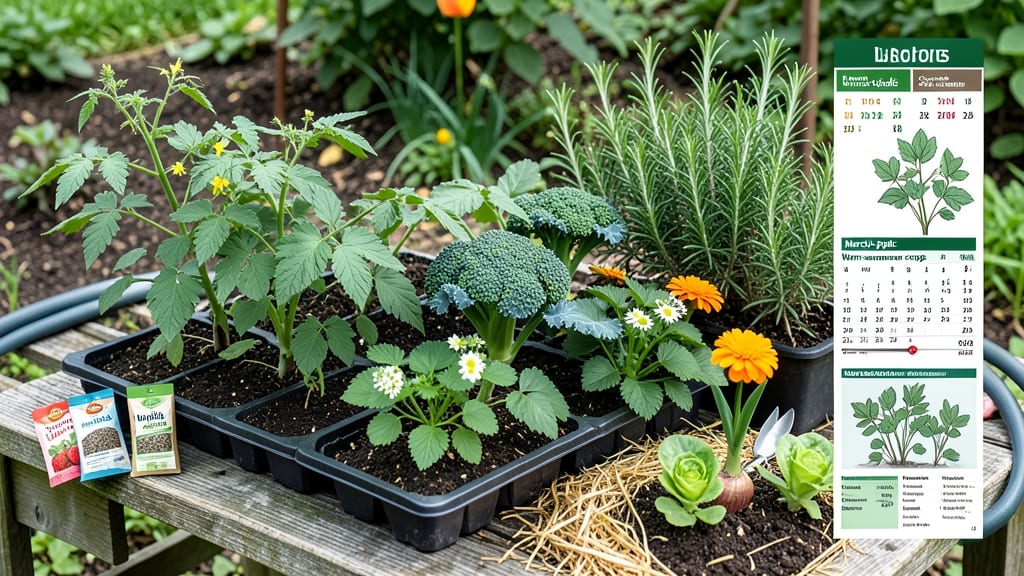
Planting a garden in Washington, DC, means timing is everything—your spring crops need to go in after the last frost, while fall plants must avoid the first chill.
Washington, DC’s unique climate—hot summers, chilly winters, and unpredictable spring frost—can make or break your garden’s success. Planting at the wrong time means wasted seeds, stunted growth, or even total crop failure. But timing it right guarantees a thriving harvest from spring greens to fall vegetables.
Here, the average last frost date hovers around mid-April, giving you a 60-day window for warm-season plants like tomatoes and peppers. Meanwhile, cool-season greens like kale and spinach thrive when planted in early spring or late summer, before temperatures drop.
Below, I’ll break down the exact planting windows for your favorite 🌱 General Garden Plants, plus tips to adjust for DC’s urban microclimates and extend your growing season.
Washington DC’s frost-free dates by season: key planting windows
Washington DC’s frost-free dates are the backbone of successful gardening here. With USDA zones 7a-7b, we enjoy roughly 180 frost-free days annually, but timing is everything.
The average last frost date falls between March 15 and April 15, while the first frost typically arrives between October 15 and November 15. These windows separate cool-season crops from warm-season ones, ensuring your garden thrives.
Understanding these dates helps you avoid late spring frosts that can devastate tender seedlings or early fall frosts that cut short your harvest. Urban areas like Downtown DC often experience warmer microclimates due to concrete and buildings, while suburban neighborhoods like Arlington or Bethesda may see slightly cooler temperatures.
Always adjust planting times based on your specific location within the metro area.
Cool-season crops like kale, spinach, and peas thrive when planted 4-6 weeks before the last frost, often in early March. Warm-season plants such as tomatoes, peppers, and cucumbers need to wait until after the last frost, usually mid-April.
Fall crops like broccoli and carrots should be sown by mid-August to mature before winter sets in.
| Planting Window | Cool-Season Crops | Warm-Season Crops | Microclimate Notes |
|---|---|---|---|
| Early Spring (Feb-March) | Lettuce, Spinach, Peas, Kale | N/A (Start Indoors) | Urban areas: Use row covers |
| Late Spring (April) | Radishes, Carrots, Beets | Tomatoes, Peppers, Eggplant | Suburbs: Wait 2 weeks longer |
| Summer (May-July) | N/A (Too Hot) | Cucumbers, Beans, Corn | All areas: Mulch to retain moisture |
| Early Fall (August-Sept) | Broccoli, Cabbage, Turnips | N/A (Too Late) | Urban: Use cold frames |
For cool-season vegetables, start seeds indoors in late February for a head start. Hardy crops like lettuce and spinach can handle light frosts, but avoid planting tomatoes or basil until soil temperatures reach 60°F.
Use a soil thermometer to check—this is especially critical in urban heat islands where pavement can raise soil temps prematurely.
If you’re planting warm-season crops like peppers or eggplants, wait until mid-May to ensure no late frosts remain. These plants are sensitive to cold and may not recover if damaged.
In suburban areas with cooler nights, consider using black plastic mulch to warm the soil faster. This trick can shave off 1-2 weeks from your planting timeline.
Fall planting requires precision. Broccoli and carrots need 90-120 days to mature, so sow seeds by mid-August at the latest. For urban gardeners, row covers can extend the season by 2-3 weeks, protecting tender greens from early frosts.
Always monitor the National Weather Service for frost advisories—they’re your best early warning system.
Don’t forget herbs and flowers! Many, like parsley and calendula, are biennials and can handle light frosts. Plant them in early spring or late summer for continuous blooms. For annuals like marigolds, wait until after the last frost to ensure vibrant, pest-repelling blooms all season.
Pro tip: Use succession planting to maximize your harvest. For example, sow radishes every 2 weeks from March through August. This ensures a steady supply without overwhelming your space.
In containers or small spaces, prioritize compact varieties like bush beans or dwarf tomatoes to fit more plants in limited areas.
Finally, keep a gardening journal to track your local frost dates and plant performance. Over time, you’ll refine your schedule to match your specific microclimate.
Whether you’re in a rooftop garden in Capitol Hill or a backyard in Takoma Park, these adjustments will help you grow a bountiful, resilient garden year after year.
Best plants to grow in Washington DC’s short growing season
Washington DC’s short growing season and unpredictable frost dates demand smart plant choices. The key? Selecting fast-maturing varieties and cold-hardy crops that thrive in USDA zones 7a-7b.
With only about 180 frost-free days, timing is everything—whether you’re sowing seeds in early spring or late summer for a fall harvest.
I’ve tested these top performers in my own DC garden, and they consistently deliver—from leafy greens that tolerate light frost to heat-loving tomatoes that ripen before autumn’s chill. Below are my must-grow plants, categorized by planting window to maximize your harvest in DC’s tricky climate.
Cold-hardy crops for frost-tolerant gardeners
- Spinach – 30–50 days to harvest; sows at 40°F
- Peas – 60–70 days; thrives in cool 50°–70°F soil
- Kale – 50–60 days; sweeter after light frost
- Radishes – 25–30 days; fastest crop for impatient gardeners
Warm-season stars after last frost (mid-April)
- Tomatoes – 60–80 days; choose early varieties like ‘Early Girl’
- Cucumbers – 50–70 days; trellis to save space
- Basil – 30–45 days; loves hot DC summers
- Zucchini – 45–55 days; prolific producer in full sun
Heat-tolerant picks for peak season
- Okra – 60–65 days; thrives in 90°F+ heat
- Sweet Potatoes – 90–120 days; plant slips in late May
- Marigolds – 60–75 days; pest-repellent annual flowers
- Swiss Chard – 50–60 days; bolt-resistant in heat
Cool-season crops for second harvest
- Carrots – 60–80 days; sow by August 15
- Lettuce – 30–50 days; shade-tolerant varieties
- Garlic – Plant cloves in October for next year’s harvest
- Pansies – 60–70 days; frost-resistant flowers
For herbs, my top picks are cilantro (plant in early spring or fall—it bolts in summer heat) and parsley, which handles DC’s humidity like a champ. If you love flowers, zinnias and sunflowers are my go-tos—they bloom nonstop from June to frost and attract pollinators.
Pro tip: Use row covers to extend your spring planting window by 2–3 weeks, or try succession planting every 2 weeks for a continuous harvest of bush beans or radishes.
My fastest-growing winners? Radishes (ready in 25 days) and bok choy (harvest in 30 days), perfect for beginner gardeners or small spaces.
Remember, DC’s urban heat islands can push microclimates 5–10°F warmer than rural areas. If you’re in a concrete-heavy neighborhood, opt for shade-tolerant varieties like lettuce or spinach near buildings, and save sun-lovers for south-facing patches.
With the right plants and timing, you’ll turn DC’s short season into a bountiful harvest!