
Planting
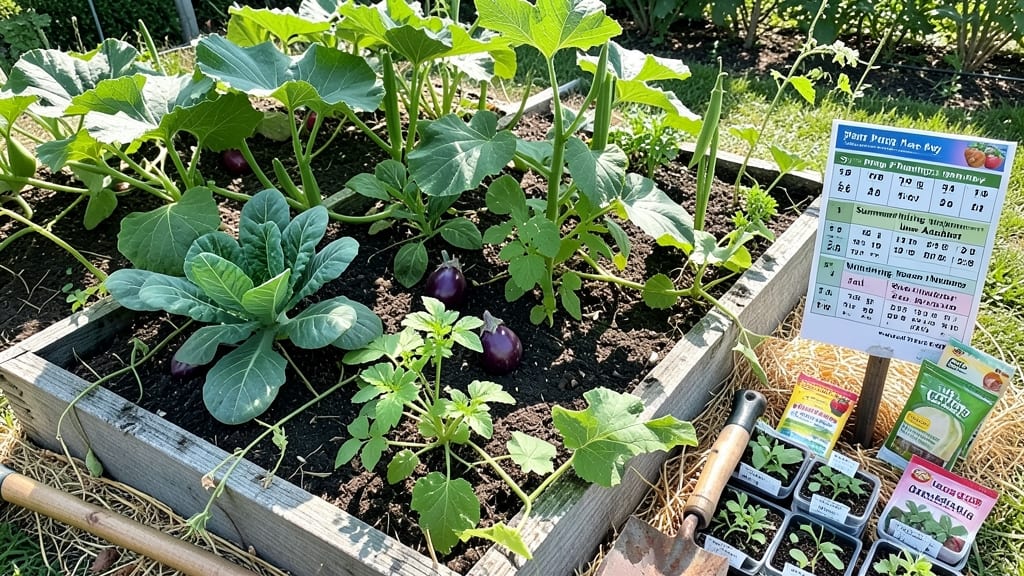
Planting a garden in Texas at the right time means the difference between a bountiful harvest and a sad, wilted mess.
Texas gardeners face a unique challenge: scorching summers and unpredictable weather. Planting at the wrong time can mean wilted dreams instead of thriving vegetables—so timing is everything.
If you’ve ever rushed to get seeds in the ground only to watch them fry under 100-degree heat or freeze in a late frost, you know how critical the calendar is.
The key is matching your garden to Texas’s heat zones and microclimates—whether you’re in the cooler Hill Country or the sweltering Rio Grande Valley.
Here’s exactly when to plant for each season, plus heat-tolerant crops that won’t bolt or shrivel in the Texas sun—so you can finally grow what you’ve always wanted.
Texas planting zones by month: heat-tolerant vegetables timeline
Texas gardeners know that timing is everything when planting vegetables. With USDA zones 8-11 across the state, you'll find everything from freezing North Texas to tropical South Texas. The key is understanding when to plant heat-tolerant crops versus cool-season vegetables—and how to adjust for your specific region.
Whether you're in El Paso (Zone 8) or Houston (Zone 9), this monthly guide will help you avoid wilting plants and maximize your harvest.
Texas' long growing season means you can grow vegetables year-round in some areas, but timing still matters. Spring and fall are ideal for most crops, while summer heat requires special heat-resistant varieties.
For example, okra and sweet potatoes thrive in the heat, while lettuce and broccoli prefer cooler temperatures. Let's break down the best planting windows for each month, tailored to Texas' unique microclimates.
Here's a quick comparison of planting windows for North Texas (Zones 8-8b) versus South Texas (Zones 9-11). The differences in frost dates and summer heat can shift your planting schedule by weeks—or even months.