
Planting
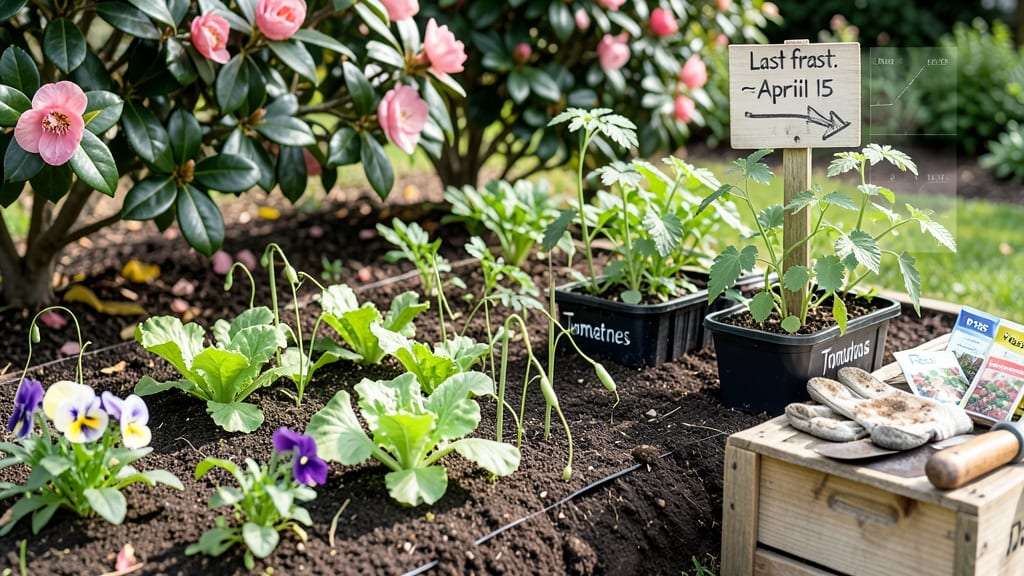
Planting a garden in South Carolina at the right time means the difference between a bountiful harvest and a season of frustration.
South Carolina’s mild winters and humid summers create the perfect conditions for a thriving garden—but planting at the wrong time can mean stunted growth or lost crops.
Timing your garden based on frost dates by county ensures you maximize yields and avoid common pitfalls like late frosts or scorching summer heat.
Whether you’re sowing cool-season greens in early spring or warm-season tomatoes in late summer, knowing your USDA Zone 7a-8b planting windows is the key. Coastal areas like Charleston have earlier frost-free dates than inland regions, so your neighbors’ schedules might not match yours.
Below, I break down the exact months to plant for best results, how to adjust for microclimates, and the top crops that thrive in South Carolina’s climate—so you can finally get the garden you’ve been dreaming of.
South Carolina frost dates by county: your planting timeline for best yields
South Carolina’s diverse geography—from the coastal plains to the Upstate mountains—means frost dates vary dramatically by county. Understanding these last spring frost and first fall frost averages helps you time warm-season crops like tomatoes and peppers perfectly, while protecting cool-season crops like lettuce from unexpected chills.
Let’s break down the key dates by region so you can plan with confidence.
Coastal counties like Charleston and Beaufort enjoy earlier last frosts (often by March 1-15) due to the moderating ocean influence, while inland areas like Greenville and Spartanburg may not see their last frost until mid-April.
Similarly, fall frosts arrive 2-4 weeks earlier in the mountains than along the coast. These variations directly impact when you should sow seeds or transplant seedlings.
For warm-season crops, wait until 2 weeks after your county’s average last frost to plant heat-lovers like okra, sweet potatoes, and peppers. For cool-season crops, sow seeds 4-6 weeks before the first expected frost in fall.
Below, you’ll find a county-by-county breakdown to guide your planting schedule—because in South Carolina, timing is everything.
| County | Avg. Last Frost (Spring) | Avg. First Frost (Fall) | Warm-Season Planting Window | Cool-Season Planting Window |
|---|---|---|---|---|
| Charleston | March 1-15 | November 15-30 | March 15 - May 1 | August 1 - September 15 |
| Beaufort | March 1-10 | November 10-25 | March 10 - April 30 | July 30 - September 10 |
| Greenville | April 1-15 | October 20 - November 5 | April 15 - May 15 | July 15 - August 30 |
| Spartanburg | April 1-10 | October 25 - November 10 | April 10 - May 10 | July 1 - August 25 |
| Columbia | March 20 - April 5 | November 1 - 15 | April 1 - May 1 | July 20 - September 1 |
| Hilton Head | February 28 - March 10 | November 5 - 20 | March 1 - April 15 | August 1 - September 30 |
| Anderson | April 1-15 | October 20 - November 5 | April 15 - May 10 | July 15 - August 20 |
| Myrtle Beach | March 1-15 | November 10-25 | March 15 - April 30 | July 30 - September 10 |
Dates are averages; check local forecasts for real-time adjustments.
Now that you have your county-specific frost dates, let’s translate them into actionable planting windows. For warm-season crops
How to adjust planting times for South Carolina’s microclimates
South Carolina’s diverse geography means your Charleston garden might experience completely different conditions than one in Greenville or Upstate. Microclimates—created by elevation, water bodies, and urban heat—can shift planting windows by 2-4 weeks.
For example, coastal areas like Hilton Head often see earlier last frosts (late February) compared to Mountain regions (mid-April). Understanding these variations helps you avoid late frost damage or heat stress in delicate seedlings.
Start by identifying your specific microclimate. Low-lying areas near rivers or swamps stay cooler and wetter, delaying soil warming by 1-2 weeks. Meanwhile, urban heat islands in cities like Columbia or Charleston can push soil temperatures up faster, allowing earlier planting of warm-season crops like tomatoes or peppers.
Even a 50-foot elevation change can mean a 10°F temperature difference, impacting frost risk.
⚠️ callout-warning
Low-lying gardens near creeks or lakes often experience delayed soil warming and higher humidity, creating ideal conditions for fungal diseases like damping-off. Even if your neighbor in a higher elevation plants tomatoes in March, your seedlings may rot if soil temps stay below 60°F. Use a soil thermometer to confirm 55°F+ for warm-season crops before planting.
Pro Tip: Test soil moisture—if it’s cold and soggy, wait 1-2 weeks longer than your county’s average last frost date.
Extend your growing season with season-extending tools like row covers or cold frames. In Upstate SC (Zone 7a), a floating row cover can protect cool-season crops like lettuce until mid-April, while a cold frame lets you harvest spinach or kale through December in coastal areas.
For warm-season crops, shade cloth (30-50%) helps young tomatoes or peppers survive 90°F+ heat in lowcountry summers.
Urban gardeners face unique challenges, too. Paved surfaces and buildings trap heat, making soil 5-10°F warmer than rural areas. This means you can plant cucumbers or squash 2 weeks earlier in city gardens—but also watch for heat-stressed plants.
Use mulch (straw or wood chips) to regulate soil temperature and retain moisture. In rural areas, where nights stay cooler, focus on drought-tolerant crops like okra or sweet potatoes that thrive in well-draining soil.
Common mistakes include ignoring microclimate wind patterns. Coastal breezes can dry out soil faster, while inland areas may have stagnant air increasing humidity. Adjust watering schedules: coastal gardens may need daily watering in summer, while Upstate gardens might thrive on every-other-day watering.
Always monitor your plants’ stress signals, like yellowing leaves (overwatering) or crispy edges (underwatering).
For fall planting, aim to sow cool-season crops (like broccoli or carrots) 6-8 weeks before your first frost. In Zone 8a (coastal SC), this could mean August 15, while in Zone 7a (Upstate), wait until September 1.
Use succession planting to stagger harvests—plant radishes every 2 weeks in late summer for a continuous supply until frost.
By fine-tuning your planting schedule to your local microclimate, you’ll enjoy healthier plants, longer harvests, and fewer losses. Start with a weekly garden journal to track soil temps, frost dates, and plant performance—your future self (and your tomato plants) will thank you! 🌱