
Planting
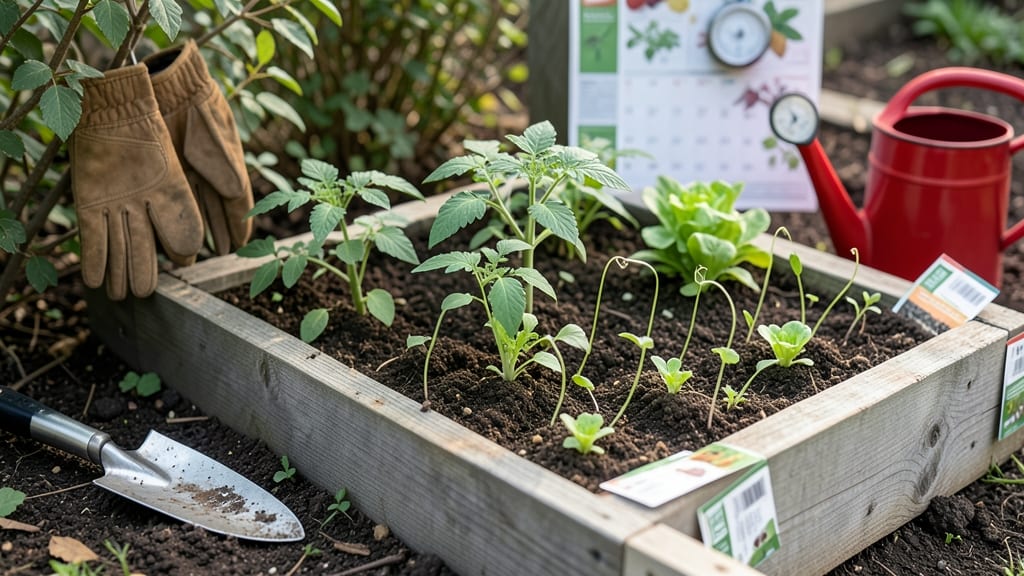
Plant a garden in New Brunswick when the soil warms to 50°F (10°C) and the last frost has passed—typically mid-May for most regions, but coastal areas like Saint John can start a week earlier.
Timing your garden planting in New Brunswick’s unpredictable Zone 4B/5A climate can mean the difference between a thriving harvest and a frost-killed disappointment. One late freeze in May, and your tomatoes turn to mush before they ripen.
That’s why I track soil temperatures and adjust for microclimates—city gardens heat up faster than rural fields, and coastal areas stay warmer longer. Below, I break down the exact planting windows for cool-season crops, summer vegetables, and perennials, plus how to use row covers to cheat the frost.
You’ll learn the 3 key frost dates to remember, which crops can handle a light freeze, and how to stretch your growing season by 3-4 weeks with simple tools. No more guessing—just a foolproof schedule for New Brunswick’s short but sweet growing season.
New Brunswick planting timeline by zone 4B/5A months (with last frost dates)
New Brunswick’s Zone 4B/5A climate means your planting schedule must balance early springs with late frosts. Fredericton, Saint John, and Moncton all have average last frost dates between May 10-20, but coastal areas like Saint John often warm up 1-2 weeks earlier than inland Fredericton.
Knowing these dates helps you avoid frost damage while maximizing your growing season.
For cool-season crops like lettuce, spinach, and peas, start seeds indoors 6-8 weeks before your last frost date. Warm-season crops such as tomatoes, peppers, and cucumbers need soil temperatures above 60°F (15°C), which typically happens by late May or early June.
Perennials like asparagus and rhubarb should be planted in early spring or fall for best establishment.
Last frost dates vary slightly by region, but here’s what to expect:
- Fredericton (Zone 4B): Last frost May 15, first frost October 5
- Saint John (Zone 5A): Last frost May 10, first frost October 10
- Moncton (Zone 5A): Last frost May 12, first frost October 8
These dates give you a 180-200 day growing season, perfect for planning successive plantings.
For warm-season vegetables, timing is critical. Tomatoes and peppers need at least 70 days of
How to adjust planting times for New Brunswick’s microclimates (urban vs. rural)
New Brunswick’s Zone 4B/5A climate creates unique challenges for gardeners, especially when comparing urban heat islands to coastal moderation or inland frost pockets. City gardens often experience 2-4°F warmer soil temperatures due to pavement and buildings, while coastal areas like Saint John enjoy earlier last frosts by 1-2 weeks.
Inland regions, however, face harsher early frosts that can cut growing seasons short.
Understanding these microclimate differences lets you fine-tune planting times for maximum yield. For example, spinach and peas can go in urban gardens by mid-April, while rural areas should wait until late April or early May.
Coastal gardeners might even start warm-season crops like tomatoes by late May, whereas inland growers should delay until mid-June to avoid frost damage.
Row covers and cold frames are game-changers for extending seasons in all microclimates. A simple floating row cover can add 4-6°F warmth and push planting dates back by 2-3 weeks in spring or fall. In urban areas, these tools help offset heat island effects during cool nights, while coastal gardeners use them to protect tender crops from unexpected late frosts.
| Microclimate | Key Adjustment | Planting Window Shift | Tools to Use |
|---|---|---|---|
| Urban Heat Island | Soil warms 2-4°F earlier | Start cool crops 1-2 weeks sooner | Row covers for night protection |
| Coastal (Saint John) | Warmer springs, later frosts | Extend warm crops by 2 weeks | Cold frames for fall harvests |
| Inland (Fredericton) | Earlier, harder frosts | Delay warm crops by 3 weeks | Black plastic mulch for soil warmth |
For coastal gardeners, focus on early maturing varieties like bush beans or zucchini to capitalize on the longer growing window. In urban areas, prioritize heat-tolerant crops such as okra or sweet potatoes that thrive in warmer microclimates.
Inland growers should lean toward fast-growing greens and cold-hardy root vegetables like kale and carrots that tolerate shorter seasons.
I’ve found that soil thermometers are invaluable for tracking these microclimate differences. Aim for 40°F for cool crops and 50°F for warm-season plants.
In my Saint John garden, I’ve successfully planted tomatoes in early June using a cold frame, while my friend in Fredericton waits until July—same variety, completely different outcomes!
Don’t forget that wind exposure also varies by microclimate. Coastal areas often face salty winds that can stress plants, while inland gardens may experience drier conditions.
Adjust watering schedules accordingly—coastal gardens may need more frequent watering due to wind drying, while urban gardens might require deeper watering to combat heat stress.
By tailoring your planting schedule to these localized conditions, you’ll transform potential challenges into opportunities for a longer, more productive growing season. Start with small adjustments, monitor your plants’ progress, and refine your approach each year—your New Brunswick garden will thank you! 🌱