
Picking
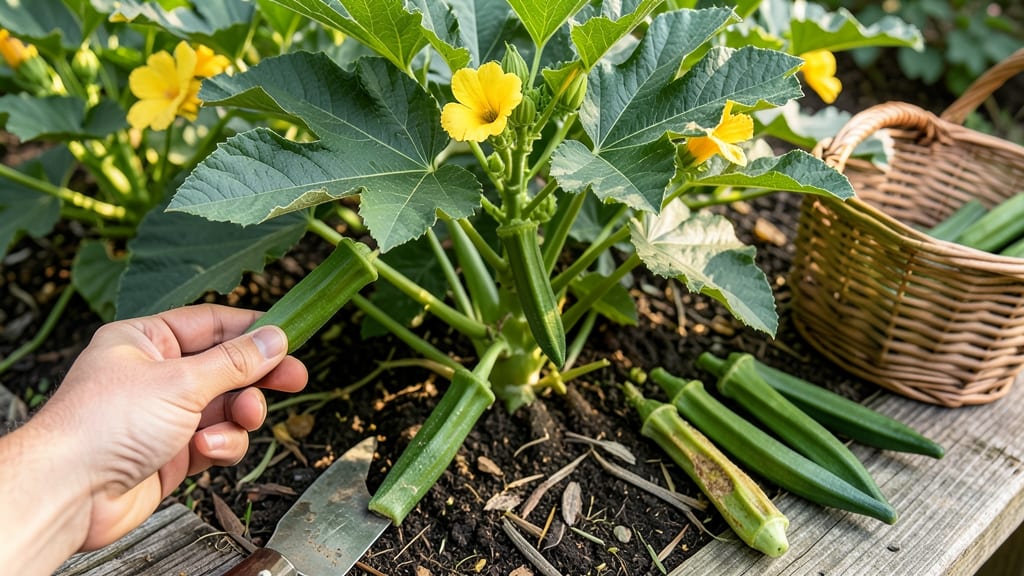
To pick okra from the garden at its peak, aim for pods that are 2-3 inches long and still tender 🌱—any longer and they turn woody fast.
Harvesting okra at the right time can mean the difference between tender, delicious pods and tough, fibrous ones—so knowing when to pick okra from your garden is a game-changer for home growers.
Most gardeners miss the sweet spot because they wait too long, but checking pods every 2-3 days keeps your plants producing for weeks.
In this guide, I’ll walk you through the 3 key signs of perfect ripeness, how often to harvest for maximum yield, and why skipping this step can ruin your crop.


3 Key visual signs your okra pods are ready for harvesting
Okra is one of those rewarding vegetables where timing your harvest makes all the difference. Picking too early means underdeveloped pods, while waiting too long turns them into tough, seedy monsters. The good news?
Your okra plants send clear visual signals when their pods are at peak ripeness. Learning these 3 key signs will help you harvest tender, flavorful okra every time you visit your garden.
First, let's address the most common question: How do I know when okra is ready to pick? The answer lies in three simple visual cues—pod size, skin texture, and color intensity.
Mastering these will transform your okra harvest from guesswork to garden confidence. I've grown okra for years in USDA Zone 6a, and these signs have never failed me once the plants reach maturity.
- Pod Length: 2-3 inches is the sweet spot for tenderness. Measure from base to tip—anything shorter is underripe, while longer pods become fibrous.
- Skin Texture: Look for a slightly fuzzy surface that's firm to the touch. If it feels soft or velvety, it's too young; if it's hard and rough, you've missed your window.
- Color Depth: Vibrant green pods are prime for picking. Yellowing or brown spots mean the pod has overmatured, and the seeds inside will dominate the flavor.
- Snap Test: Gently bend a pod—it should snap easily at the stem. If it resists, harvest it immediately to prevent pest attraction and plant stress.
Let's talk about that 2-3 inch rule first, because this is where most gardeners go wrong. I've seen beginners pick okra pods that are barely an inch long, thinking they're being proactive. But those tiny pods are still developing and won't have the sweet, crisp texture you're after.
On the flip side, I've also watched okra pods grow to 6 inches or more in my garden when I wasn't paying attention—those become tough enough to be used as edible gardening twine!
The skin texture is another dead giveaway. When okra pods are ready, their skin develops a fine fuzziness that's neither too soft nor too rough. Run your fingers over a pod—if it feels like a baby's hair, it's perfect.
This texture indicates the pod's cell structure has developed enough to hold moisture and flavor without being woody. I always check this with my thumb and index finger, giving each pod a gentle squeeze before deciding whether to harvest.
Don't overlook the color intensity either. The deeper the green, the better the flavor. I've noticed that okra pods in hotter climates (like my summer garden) tend to ripen faster and develop a more vibrant hue. In cooler areas, they might stay paler for longer.
If you see any yellowing or brown spots, that's your plant's way of saying, "I've been neglected!" These overripe pods not only lose flavor but can also attract pests like aphids and squash bugs.
Here's a pro tip I learned from my local extension agent: okra pods grow rapidly—sometimes adding an inch overnight during peak growing season. That's why I recommend checking your plants every 2-3 days once they start flowering.
Set a reminder on your phone if you need to—your future self (and taste buds) will thank you. I keep a small harvest basket by my garden gate so I'm never without one when I spot those perfect pods.
One mistake I see often is harvesting at the wrong time of day. Okra pods contain mucilage, a sticky compound that makes them slimy when cooked. This compound is most concentrated in the early morning after dew has settled.
That's why I always harvest between 7-9 AM. The cooler temperatures and higher moisture content mean the pods will be at their freshest and least slimy when you bring them inside.
Finally, let's address the seed development question. You might wonder why we don't wait until the seeds are fully formed. The truth is, by the time okra seeds become prominent, the pod walls have thickened significantly. Those seeds are edible (and even nutritious!), but they dominate the texture and flavor.
For the best eating experience, aim to harvest pods before you can see the seeds clearly through the skin. This usually happens around that 3-inch mark.
Remember, consistent harvesting encourages more production. When you pick those ripe pods regularly, your okra plant will keep sending out new flowers and pods. I've had plants that produced for nearly 3 months straight when I stayed on top of harvesting.
The key is to never let more than 2-3 pods mature at once—this prevents the plant from becoming overburdened and bolting prematurely.
How often to harvest okra for maximum yield and plant health
Harvesting okra regularly is the secret to keeping your plants productive and healthy. When you pick okra every 2-3 days, you encourage the plant to produce more tender pods and prevent it from bolting too quickly.
Skipping harvests can lead to overgrown pods that become tough and woody, ruining flavor and texture.
Okra plants thrive on consistent attention during their peak growing season (typically July through September in most climates). If you live in warmer regions, your harvest window may extend into early October, while cooler areas might see production taper off by mid-September.
Always check your last frost date to plan accordingly.
| Stage | Harvest Frequency | Best Pod Size | Seasonal Notes |
|---|---|---|---|
| Early Production | Every 2 days | 1-2 inches | Encourage plant to branch |
| Peak Season | Every 2-3 days | 2-3 inches | Maximize yield before heat stress |
| Late Season | Every 3-4 days | 3-4 inches | Pods may toughen faster |
| Post-Frost | Stop harvesting | N/A | Plant dies back naturally |
For continuous production, always harvest pods in the morning when they're firmest. Use a sharp knife or pruning shears to cut pods cleanly, leaving a small stem to prevent disease.
Avoid pulling pods, as this can damage the plant and attract pests. I like to wear gloves when harvesting, as okra pods can be prickly and leave residue on hands.
If you notice your okra plants producing fewer pods or the existing ones becoming overly large, it's a sign you're harvesting too infrequently. In this case, increase your harvesting frequency to every 1-2 days for a few weeks to reset the plant's growth cycle.
This trick works especially well if you've been away on vacation or simply overlooked your garden.
In hot climates, okra may bolt (flower and produce seeds) more quickly. To delay bolting, harvest aggressively during heatwaves and provide consistent watering (1-2 inches per week). Mulching around the base of plants can also help maintain soil moisture and reduce stress.
Remember, okra is a short-day plant, meaning it responds to daylight changes—so your harvest timing may shift slightly as summer progresses.
As the growing season winds down, okra plants will naturally slow production. By late September or early October, most varieties will stop yielding tender pods. At this point, let the remaining pods mature fully on the plant, as they'll produce seeds for next year's garden.
You can even save seeds from your healthiest plants to grow heirloom varieties in future seasons!