
Picking
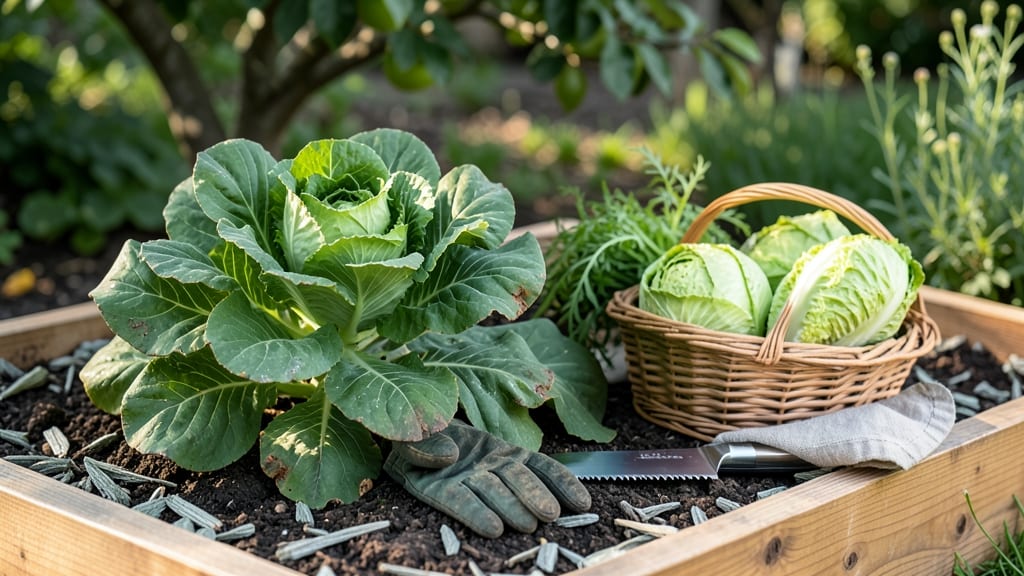
Garden lettuce 🥬 is ready to pick when leaves reach 4-6 inches and feel tender but firm, signaling peak flavor before bitterness sets in.
Picking lettuce at the wrong time can turn your crisp, sweet harvest into bitter disappointment—here’s exactly when to snip for perfect flavor every time.
Most varieties hit their prime between 30 and 60 days, but loose-leaf types mature faster, while head lettuce needs more time to tighten. Check for vibrant color and crisp stems—these are your best clues.
Below, I’ll walk you through leaf-by-leaf harvesting tips, how to avoid common mistakes, and seasonal tricks to keep your lettuce tasting fresh all season long.


How to tell when garden lettuce is ready to harvest by leaf type
Knowing exactly when to harvest your garden lettuce transforms a bitter, tough mess into a crisp, sweet salad. Different lettuce varieties mature at different rates, so understanding their unique signals is key.
Whether you’re growing butterhead, romaine, or loose-leaf types, these visual and tactile cues will help you pick at peak perfection.
Lettuce varieties fall into three main categories: head lettuce (like iceberg), leaf lettuce (like butterhead), and loose-leaf (like green leaf). Each has distinct readiness signs, from leaf size to color vibrancy.
Ignoring these cues can lead to overgrowth, bitterness, or even premature bolting—where your lettuce sends up a flower stalk and becomes inedible.
Here’s your quick-reference guide to harvest timing by leaf type, packed with actionable details to avoid common mistakes. Pay attention to leaf firmness, size, and color—these are your best indicators.
| Leaf Type | Size Indicator | Texture | Color | Days to Harvest | Harvest Tip |
|---|---|---|---|---|---|
| Loose-Leaf (e.g., Green Leaf, Red Leaf) | Leaves 4-6 inches long | Tender, crisp (not mushy) | Vibrant green/red | 28-35 days | Harvest outer leaves first |
| Butterhead (e.g., Bibb, Boston) | Heads 3-5 inches wide | Soft, buttery texture | Deep green/yellowish | 45-55 days | Cut entire head at base |
| Romaine (e.g., Cos) | Heads 8-12 inches tall | Crisp, firm stems | Deep green, uniform | 50-60 days | Harvest when fully upright |
| Head Lettuce (e.g., Iceberg) | Firm, compact heads | Crunchy, dense | Pale green/white | 70-80 days | Wait for tight, solid form |
For loose-leaf varieties, focus on individual leaf maturity. Harvest outer leaves when they reach 4-6 inches—this encourages continuous growth. Use clean scissors or your fingers to pinch leaves just above a leaf node, leaving the inner rosette intact.
This method gives you multiple harvests per season and prevents bolting.
Butterhead lettuce is ready when heads swell to 3-5 inches wide with a soft, buttery texture. Gently squeeze the head—if it feels firm but yields slightly, it’s perfect. Overripe butterhead lettuce develops a hollow core and bitter edges, so act fast once heads form. Cut the entire head at the base with a sharp knife, leaving 1 inch of stem to regrow.
Romaine lettuce stands tall and proud, reaching 8-12 inches before harvest. Look for deep green, upright stalks with crisp stems. If the leaves start to yellow at the base or the head loosens, you’ve waited too long.
Harvest by cutting the entire stalk at the base—this variety doesn’t regrow well after partial harvesting.
Head lettuce like iceberg requires patience. Wait until the head is fully compact and firm, typically 70-80 days after planting. Press your thumb into the head—it should feel dense and crunchy, not spongy.
Avoid harvesting in direct sunlight to prevent wilting; instead, pick on a cool morning after dew has dried.
Temperature plays a crucial role in lettuce maturity. In spring and fall, cooler weather slows growth, so expect slightly longer harvest times. Conversely, summer heat accelerates maturity but also increases bolting risk.
If your lettuce starts sending up flower stalks, it’s past its prime—harvest immediately or enjoy the seeds for next year’s crop.
Pro tip: Taste-test a leaf before full harvest. If it’s crisp, sweet, and mild, your lettuce is ready. Bitterness or toughness means it’s overripe. For the best flavor, harvest in the early morning when sugars are highest and leaves are hydrated.
By mastering these leaf-by-leaf cues, you’ll enjoy fresh, homegrown lettuce for weeks—no bitter surprises here! 🥬
Step-by-Step leaf-by-leaf harvesting to prevent bitterness and bolting
Harvesting lettuce the right way isn’t just about timing—it’s about technique. When you snip leaves improperly, you risk triggering bitterness or even forcing the plant to bolt prematurely. The key is to remove leaves gradually while keeping the plant healthy and productive.
Let’s break down the exact method I use to keep my lettuce sweet and ready for months.
Start by focusing on the outer leaves first—they’re the most mature and ready for harvest. These leaves are typically 4-6 inches long and have a vibrant color. By harvesting them, you allow the inner leaves to grow larger and more tender.
This method also prevents the plant from feeling stressed, which can lead to bolting or bitter flavors.
Step-by-Step Leaf-by-Leaf Harvesting
- 🌱 Step 1: Choose the Right Leaves
Select the outer leaves that are fully grown (4-6 inches) and vibrant in color. Avoid harvesting leaves that are still small or pale—they need more time to mature. - 🪴 Step 2: Use Clean, Sharp Scissors
Grab a pair of sterilized pruning shears or sharp scissors. Dull tools can crush stems and invite disease, so keep them clean and sharp. - ✂️ Step 3: Cut at the Base of the Stem
Make a clean cut just above the soil line or where the leaf meets the stem. Avoid cutting into the growing point at the center of the plant—this keeps the lettuce producing new leaves. - 💧 Step 4: Space Your Harvests
Never remove more than 1/3 of the plant at once. This ensures the lettuce has enough energy to regrow. For loose-leaf varieties, you can harvest every 2-3 weeks if conditions are ideal. - ☀️ Step 5: Harvest in the Morning
Pick leaves in the early morning when they’re crisp and hydrated. Avoid harvesting in direct sunlight—this can cause the leaves to wilt or turn bitter quickly. - 🌿 Step 6: Monitor for Stress Signals
If your lettuce starts to bolt (sends up a tall flower stalk) or develop bitter flavors, it’s a sign of stress. Common triggers include heat stress, drought, or overcrowding. Adjust your care routine to prevent this.
After harvesting, rinse the leaves under cool water and pat them dry gently with a clean towel. Store them in a sealed container in the fridge for up to 5-7 days.
For longer storage, consider wrapping them in a damp paper towel and placing them in a plastic bag—this keeps them fresher for nearly 2 weeks.
One of the biggest mistakes I see is cutting too close to the center of the plant. This can damage the growing point and stunt future growth.
Instead, always aim for the outer leaves and leave the inner ones intact. This way, you’ll enjoy a continuous harvest without sacrificing the plant’s health.
If your lettuce starts to taste bitter, it’s often a sign of heat stress or drought. To fix this, move the plant to a shadier spot and increase watering frequency.
For varieties prone to bolting, like romaine or butterhead, consider harvesting the entire head once it’s fully mature to avoid the bitter phase entirely.