
Picking
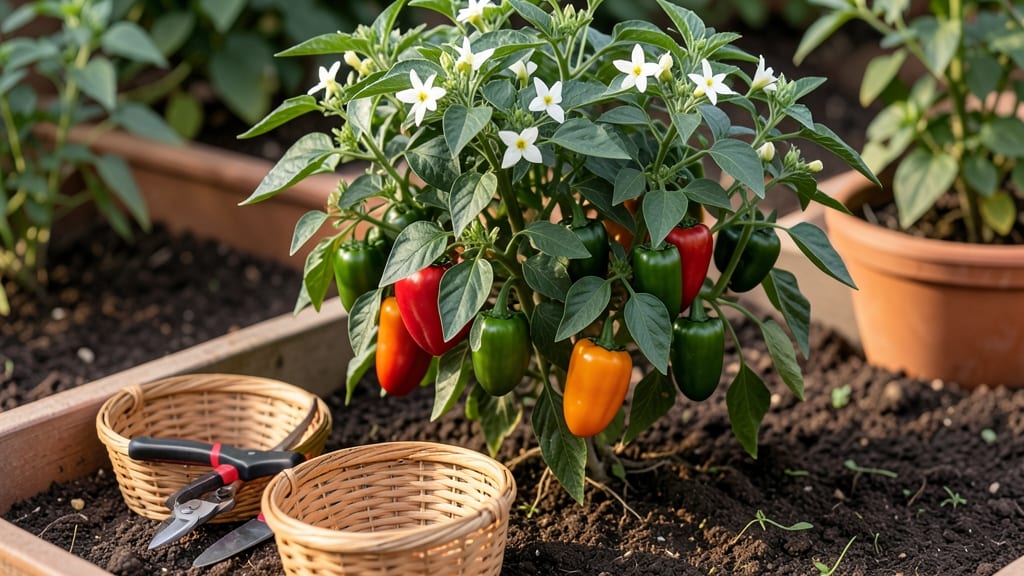
Picking garden salsa peppers at the right time transforms your harvest from bland to bold—here’s how to know when they’re ready for the pot.
Ever bite into a homemade salsa only to taste disappointment because the peppers were picked too early? 🌶️ The secret lies in their color, size, and firmness, not just the calendar.
Jalapeños and serranos, for instance, pack their signature heat only when fully mature, while others like poblanos soften for a sweeter profile. Miss the window, and you’ll end up with a salsa that lacks the depth you worked so hard for.
This guide breaks down the exact visual cues—deep color, firm skin, and stem separation—to harvest at peak flavor. We’ll also cover how temperature and variety affect ripening, so you can adjust your timing whether you’re growing in Zone 6a or further south.
No more guessing whether that pepper is ready or still needs time on the vine.
By the end, you’ll know precisely when to snip for raw salsas, roasted dishes, or drying, plus how to store them until you’re ready to cook. Let’s turn your garden into a flavor factory.


Color-coded ripeness stages for salsa peppers: when to harvest for maximum heat and flavor
Harvesting your salsa peppers at the right color stage transforms your homemade salsa from mediocre to mouthwatering. The color change isn't just visual—it signals flavor development and heat intensity that science confirms peaks at maturity.
For example, jalapeños and serranos develop their signature kick only after transitioning from green to their mature hues.
Understanding these color-coded ripeness stages helps you time your harvest perfectly. Green peppers are underripe and lack the sweetness or heat you crave in salsa. Meanwhile, fully ripe peppers (red, yellow, or orange) contain 30-50% more capsaicin, the compound responsible for that fiery punch.
Let's break down each stage so you can pick peppers at their flavor peak.
🌱 Did You Know? The chlorophyll in green peppers blocks flavor compounds until sunlight triggers carotenoids and lycopene production, which happens during ripening. This is why red peppers taste sweeter and hotter!
| Ripeness Stage | Color | Heat Level | Flavor Profile | Best For |
|---|---|---|---|---|
| Green | 🟢 Bright green | Mild (1,000-2,500 SHU) | Grassy, less sweet | Pickled peppers, early salsa |
| Turning | 🟢→🟡/🟠/🔴 | Moderate (2,500-5,000 SHU) | Balanced sweet/spicy | Fresh salsa, roasting |
| Fully Ripe | 🟠/🟡/🔴 Deep hues | High (5,000-10,000+ SHU) | Sweet, fruity, intense heat | Classic salsa, drying |
SHU = Scoville Heat Units (higher = hotter)
Green salsa peppers are often harvested early for pickling or quick salsa, but they lack the complex flavor developed during ripening. The chlorophyll in unripe peppers masks the sugars and aromatic compounds that emerge as they mature.
For example, a jalapeño picked green might measure 2,500 SHU, but the same pepper turned red can hit 8,000 SHU—that's three times the heat!
When peppers shift from green to their mature colors (red, yellow, or orange), the carotenoid pigments take over, signaling peak flavor development. This change coincides with the highest capsaicin concentration, which is why fully ripe peppers deliver that signature salsa kick.
For serrano peppers, this means waiting until they're deep red or yellow for maximum heat intensity and sweetness.
Not all salsa pepper varieties follow the same ripening path. Some, like habaneros, turn orange or red and pack 100,000+ SHU of heat, while others, such as bell peppers (a milder cousin), ripen to red but with minimal spice.
Pay attention to your specific variety's color progression—this is your best guide to harvest timing.
For homemade salsa, I recommend harvesting peppers when they've reached their deepest color. This ensures the sweetness balances the heat perfectly. For example, red jalapeños will give your salsa a fruity depth that green ones can't match.
If you're making a raw salsa, pick peppers at their peak ripeness to preserve that vibrant color and intense flavor.
The science behind pepper ripening explains why color matters so much. As peppers mature, enzymes break down starches into sugars, while capsaicin production increases. This biochemical process is what gives ripe peppers their complex taste.
For instance, a red serrano will have 3x more sugar than its green counterpart, making it ideal for sweet-and-spicy salsas.
If you're growing multiple pepper varieties, create a harvest schedule based on their color stages. For example, jalapeños and serranos
How to test pepper ripeness beyond color: tactile and taste indicators for perfect picking
Color is your first clue, but true ripeness in salsa peppers hides in the details. Many gardeners pick based on hue alone, but firmness, stem separation, and even a quick taste test reveal the real flavor potential.
I’ve learned the hard way that a bright red jalapeño isn’t always ready—sometimes it’s still tough or lacks heat.
Start by gently squeezing the pepper between your thumb and forefinger. A ripe pepper should yield slightly but stay firm—think of a plump tomato, not a soft squash. If it feels mushy, it’s overripe.
If it’s rock-hard, it needs more time. This tactile test works for jalapeños, serranos, and even habaneros, regardless of their final color.
Next, check the stem separation. Twist the pepper gently at the stem—if it snaps cleanly with a slight resistance, it’s ready. A stubborn stem means it’s not ripe yet, while a dry, brittle stem signals overripeness.
I’ve found this trick especially useful for green peppers destined for raw salsa, where crispness matters more than heat.
Pros & Cons of Picking Salsa Peppers by Tactile/Taste Tests
✅ Pros
- Accurate ripeness: Confirms flavor and heat beyond color
- Prevents overharvesting: Avoids picking peppers too early
- Works for all varieties: Jalapeños, serranos, habaneros
- Better texture: Ensures crispness for raw salsa
❌ Cons
- Time-consuming: Requires hands-on testing
- Taste test risk: Some peppers are extremely hot
- Subjective firmness: Personal preference varies
- Not for bulk harvests: Slower than color-only picking
For raw salsa recipes, I recommend picking peppers when they’re firm but slightly yielding—this ensures they hold their shape when chopped. If you’re making cooked salsa, you can afford to wait until they’re fully ripe and slightly softer, as the cooking process will mellow their texture.
My go-to method is to test one pepper from each plant, then wait 24 hours before harvesting the rest.
Never rely on color alone—some jalapeños stay green even when fully ripe, while others turn red but never develop proper heat. The taste test is your final judge: Take a small bite (careful with habaneros!).
If the flavor is balanced and intense, it’s ready. If it’s bitter or bland, give it more time. This step saves you from underwhelming batches of salsa.
Common mistakes include picking peppers that are too small (under 2 inches) or wrinkled. These signs mean the pepper has peaked and will only lose flavor. I’ve also seen gardeners harvest every pepper at once, which stresses the plant.
Instead, pick every other pepper to encourage more production—your plant will thank you with a longer harvest season.
Pro tip: Use a sharp knife or pruners to avoid damaging the plant. Cut the stem 1 inch above the pepper to prevent disease.
Store freshly picked peppers in a paper bag in the fridge for up to a week—they’ll ripen further, intensifying their flavor just in time for your next salsa batch. 🌶️✂️