
Picking
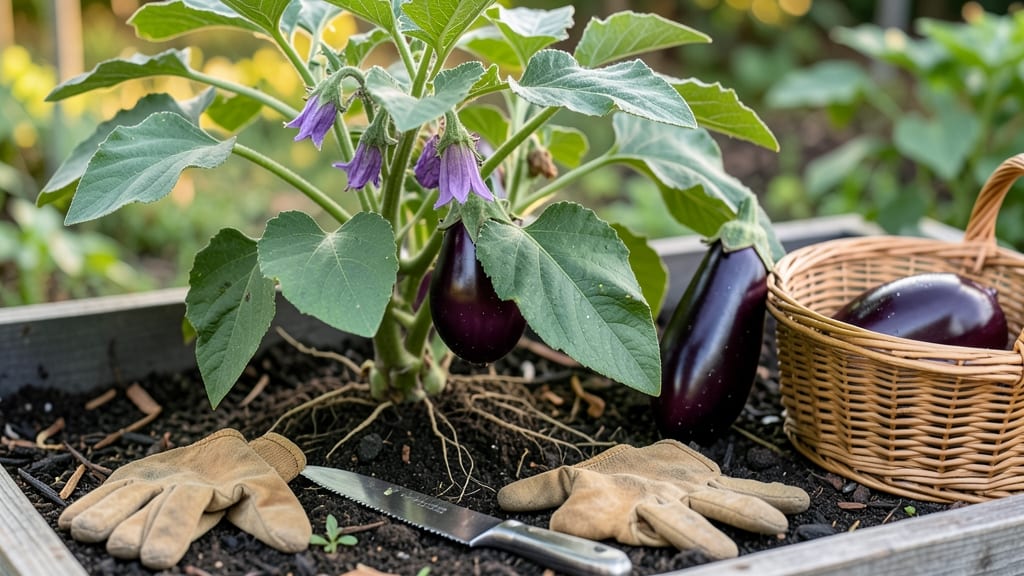
Knowing when to pick eggplant in the garden means the difference between a tender, flavorful fruit and a tough, seedy mess—so timing matters more than you think.
Eggplants can go from perfectly ripe to overripe in days—missing the window means tough, bitter fruit. Learn the exact visual cues to harvest at peak flavor and texture.
Here’s what to watch for: a deep, glossy color (no green at the stem), a slight give when pressed, and a stem that snaps cleanly when twisted. These 5 visual cues are your shortcut to the sweet spot.
Below, I’ll break down how to spot ripe eggplant, how varieties differ, and what to do if you wait too long—so you never end up with mealy fruit again.
5 Visual cues to identify perfectly ripe eggplant before harvesting
Eggplants are finicky about timing—pick them too early, and you’ll get bitter, underdeveloped fruit. Harvest too late, and they turn seedy, mealy, and tough. The good news? Nature gives you clear visual cues to nail the perfect moment.
I’ve learned from years of trial (and a few overripe disasters!) that these five signs guarantee peak flavor and texture every time.
First, let’s address the biggest mistake I see: relying on days-to-maturity labels. Those are estimates, not guarantees. Your eggplant’s ripeness depends on environmental factors like sunlight, temperature, and soil quality. That’s why visual cues matter more than calendar dates. Here’s what to watch for when inspecting your plants:
📌 Pro Tip: Always harvest in the morning after the dew has dried. The fruit’s natural moisture content is highest then, making it easier to assess ripeness accurately.
🌱 5 Non-Negotiable Visual Cues for Perfectly Ripe Eggplant
-
1. Deep, Even Color
Look for rich, consistent color—no green at the stem end. Purple varieties should be deep eggplant purple (not dull or striped). White varieties turn creamy white with no yellowing. -
2. Glossy, Not Dull Skin
Ripe eggplants have a slightly shiny surface. If the skin looks dry or matte, it’s overripe. Underripe fruit feels waxy and resists gentle pressure. -
3. Stem Separation (The "Twist Test")
Grasp the fruit near the stem and give a gentle twist. If it separates cleanly with a slight popping sound, it’s ready. If the stem resists, wait 1-2 days. -
4. Heavy for Its Size
Hold the eggplant in your hand—ripe fruit feels surprisingly heavy compared to its size. This indicates high moisture content and peak flavor. -
5. Slight Yield When Pressed
Press your thumb gently into the skin. Ripe eggplants yield slightly (like a ripe avocado), while unripe ones feel rock-hard.
📸 Visual Reminder: Compare your eggplant to these cues daily. A quick glance at the stem end color and skin texture saves hours of guesswork!
Let me break down why these cues matter. The color shift from green to deep purple (or white/striped) signals the fruit’s chlorophyll breakdown, which happens as sugars develop.
That glossy skin? It’s a sign of optimal hydration—critical for tender flesh. And that twist test? It’s how I’ve avoided seedy, bitter eggplants every time.
One year, I ignored the stem separation cue and waited until the eggplant turned dull and soft. The result? A mealy, seedy mess that tasted like rubber.
Now, I harvest the moment the stem twists off—no exceptions. This method works for all varieties, from classic Black Beauty to heirloom Rosa Bianca.
Size is another common misconception. Many gardeners assume bigger = better, but overgrown eggplants lose flavor and texture. Aim for 4–8 inches long, depending on the variety. For example, Italian varieties like ‘Rosa Bianca’ stay smaller (4–6 inches) but pack intense flavor when ripe.
Meanwhile, Asian long eggplants can reach 12 inches—harvest them when they’re half their max length for the best taste.
Here’s a trick I learned from a farmer in Zone 8a: If your eggplants are ripening unevenly (some fruits mature faster than others), prioritize harvesting the smallest ripe ones first.
This encourages the plant to focus energy on the remaining fruit, often speeding up their ripening. It’s like giving your plant a gentle nudge to balance production.
Finally, don’t overlook the weather’s role. Hot, dry spells can speed up ripening, while cool, cloudy weather slows it down.
If you’re in a shorter growing season (like Zone 5 or cooler), start checking for ripeness earlier—sometimes as soon as 60 days for fast varieties like ‘Fairy Tale.’ Pay attention to your local frost dates too; you’ll need to harvest before the first 28°F night.
Ready to put this into action? Grab a notebook and track your eggplants’ ripening progress. Note the day you spot the first deep color change and the day the stem separates easily.
Over time, you’ll recognize the perfect window for your specific climate and variety. Trust me, your future self (and your taste buds) will thank you.
How eggplant varieties affect harvest timing (and what to watch for)
Not all eggplants ripen at the same time—purple, white, and striped varieties each have unique growth speeds and flavor development. Choosing the right variety means knowing when to pick for peak texture and sweetness.
For example, heirloom types like Black Beauty mature slower but develop deeper flavor, while striped varieties like Italian White ripen faster with milder taste.
Skin texture also plays a role in harvest timing. Purple varieties often have thicker, glossier skin that signals ripeness earlier, while white or striped types may stay firm longer before reaching ideal firmness.
If you're growing multiple varieties, watch for color changes—purple ones darken first, while white ones turn creamy yellow.
Here’s how different eggplant varieties compare in terms of harvest timing, skin texture, and flavor notes—so you can plan your garden for the best results.
| Variety Type | Harvest Time (Days) | Skin Texture | Flavor Profile | Key Ripeness Cue |
|---|---|---|---|---|
| Purple (e.g., Black Beauty) | 70–90 days | Thick, glossy | Rich, deep, slightly bitter | Deep purple with no green |
| White (e.g., Italian White) | 60–75 days | Smooth, matte | Mild, sweet, creamy | Creamy yellow with slight gloss |
| Striped (e.g., Rosa Bianca) | 65–80 days | Thin, semi-glossy | Balanced, nutty undertones | Striped pattern fully developed |
| Heirloom (e.g., Rosa di Sicilia) | 80–100 days | Rough, textured | Complex, floral, jammy | Skin cracks slightly when pressed |
If you’re growing heirloom varieties, be patient—they take longer to ripen but reward you with unmatched flavor depth. For example, Rosa di Sicilia develops a textured skin and jammy flesh when fully ripe, but harvesting too early means bland, watery fruit.
On the other hand, striped varieties like Rosa Bianca ripen faster and are perfect for quick-cooking dishes where tenderness matters.
Pay attention to the stem separation test: Gently twist the eggplant at its stem. If it snaps cleanly, it’s ready to harvest. For white varieties, this happens slightly earlier than for purple types, so check them 1–2 weeks before your usual harvest window.
Overripe eggplants—especially heirlooms—can become seedy and bitter, so timing is everything.
Pro tip: Harvest in the morning when skin is cool and firm. This reduces bruising and ensures the best flavor retention. Whether you’re growing fast-ripening striped types or slow-maturing heirlooms, knowing these variety-specific cues will help you pick at peak ripeness every time.