
How To
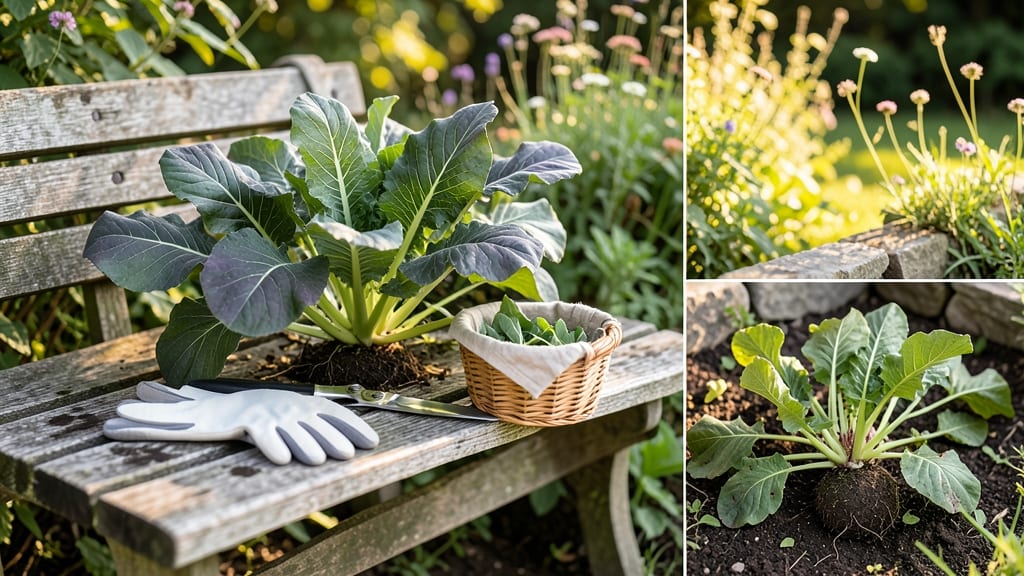
Harvesting turnip greens at the right time ensures you get the tenderest, sweetest flavor 🥬 — and missing the window can turn your crop into tough, bitter scraps.
Picture this: you’ve nurtured your turnip greens all season, only to pull a leaf that snaps like a dry twig instead of yielding to your knife. That’s the difference between a perfect harvest and wasted effort.
The key is knowing when the outer leaves reach 4-6 inches and turn a deep, glossy green—signs they’re ready to be picked.
Timing isn’t just about size, though. Weather plays a role too—cooler spring mornings slow growth, while late-summer heat can rush maturity. Below, I’ll walk you through the leaf-by-leaf cues to harvest for peak flavor, whether you’re cooking them fresh or storing for later.
You’ll also learn how to avoid common mistakes, like cutting stems too close to the base or harvesting when leaves are still pale. By the end, you’ll know exactly when to reach for those shears to lock in the best taste from your garden.


How to identify the perfect turnip greens harvest time by leaf size
Harvesting turnip greens at the right time transforms your garden into a flavor powerhouse. Unlike root vegetables, these leafy greens reward you with peak tenderness and sweetness when picked at precise stages.
The key? Watching leaf size and texture—two simple but critical indicators that tell you exactly when to harvest for that perfect balance of crispness and mild bitterness.
Turnip greens thrive on a leaf-by-leaf harvesting approach, where you can pick individual leaves without harming the plant. This method extends your harvest window and ensures a steady supply of fresh greens.
But timing is everything—harvest too early, and you’ll get small, underdeveloped leaves with minimal flavor; too late, and the stems turn woody and bitter. Let’s break down the exact visual cues to look for.
| Harvest Stage | Leaf Size | Leaf Color | Stem Texture | Harvest Method |
|---|---|---|---|---|
| Early (Not Ready) | 1-3 inches | Pale green/yellowish | Soft, easily bent | Avoid harvesting |
| Ideal (Ready) | 3-6 inches | Dark green, vibrant | Firm but not woody | Pinch outer leaves or cut stems |
| Late (Overmature) | 6+ inches | Dark green with yellow edges | Woody, tough | Harvest entire plant |
For the best flavor, focus on leaves that measure between 3 to 6 inches in length. At this size, the leaves are fully mature but still tender enough to eat raw in salads or cook down into rich, flavorful dishes.
The dark green color is your second cue—look for leaves that are vibrant, not pale or yellowing. A firm stem that resists bending slightly (but isn’t hard or woody) is another telltale sign of readiness.
Pro tip: Harvest turnip greens in the morning after dew has dried. This ensures the leaves are crisp and packed with moisture, making them ideal for immediate use. If you’re harvesting for storage, wait until late morning when the leaves have fully dried.
Use clean, sharp pruning shears or scissors to avoid damaging the plant, and always cut just above a leaf node to encourage regrowth.
You can harvest turnip greens in two ways: leaf-by-leaf or whole-plant harvest. For continuous harvesting, pinch off the outer leaves first, leaving the inner leaves to grow larger. This method works well for spring and fall plantings.
If you’re harvesting the entire plant, wait until the leaves are larger than 6 inches or until the first frost threatens, as cold weather can turn the greens bitter.
Pay attention to the texture of the leaves—they should feel crisp but not brittle. If the edges start curling or the leaves feel tough, it’s a sign they’ve passed their prime.
Overmature greens lose their sweetness and develop a bitter, woody taste, which is hard to mask even in cooking. Regular harvesting encourages the plant to produce more tender leaves, extending your harvest season by weeks.
Seasonal timing also plays a role. In spring plantings, aim to harvest turnip greens between 60 to 70 days after sowing, typically in late spring or early summer. For fall plantings, harvest in late summer or early fall before the first frost.
In warmer climates, you can even enjoy a second harvest in late fall if temperatures stay mild.
One common mistake is waiting too long to harvest, assuming bigger leaves mean better flavor. But size doesn’t always equal quality—older leaves become fibrous and tough. Instead, prioritize leaf size, color, and texture over sheer volume.
With practice, you’ll develop an eye for the perfect turnip green, ensuring every harvest is a culinary delight.
Once you’ve mastered the art of harvesting, you’ll never waste a single leaf again. Whether you’re serving them up fresh in a salad or simmering them into a hearty side dish, perfectly timed turnip greens are a gardener’s most rewarding crop. Happy harvesting! 🥬✂️
Turnip greens harvesting mistakes that ruin flavor (and how to avoid them)
Harvesting turnip greens at the wrong time can turn your flavorful bounty into tough, bitter disappointment. The key is understanding the leaf maturity stages and seasonal timing that determine peak flavor. Too early, and you’ll get baby greens with mild taste—too late, and the stems turn woody and unpalatable.
Seasonal timing matters just as much as leaf size. Spring plantings should be harvested between May and June, while fall crops reach peak flavor in October and November. Missing these windows means compromising both texture and taste, no matter how perfect your growing conditions.
⚠️ Harvesting Too Early = Bitter Greens
When you harvest turnip greens with small, pale leaves (under 3 inches), you’re picking immature foliage that lacks the bold, earthy flavor you crave. These leaves often taste bitter or grassy because they haven’t developed the full nutrient density and sweetness of mature greens.
Fix it: Wait until outer leaves reach 4-6 inches and are dark green with a crisp texture.
Another common mistake is cutting entire plants at once instead of harvesting leaves individually. This shocks the plant and reduces future yields. Instead, use leaf-by-leaf harvesting—pinch off the outermost mature leaves while leaving the inner growth intact. This method encourages continuous regrowth for weeks.
Timing also shifts with spring vs. fall harvests. Spring greens grow faster in warmer soil (60°F+), so they reach harvest readiness in 45-55 days. Fall crops, however, mature slower in cooler temperatures, often taking 60-70 days to develop full flavor.
Ignoring these seasonal differences leads to over-mature or underdeveloped greens.
Improper cutting techniques can also ruin your harvest. Avoid tearing leaves—always use clean pruning shears or your fingers to pinch leaves at the stem base.
Torn leaves bruise quickly, leading to bitterness and spoilage. Store harvested greens in plastic bags with a paper towel to absorb moisture and extend freshness.
For fall harvests, time your final pick before the first frost (around October 31 in Zone 6a). Leaves left too long in cold weather develop freeze damage, turning mushy and losing flavor. If frost threatens, harvest everything and blanch and freeze the greens for winter use.