
How To
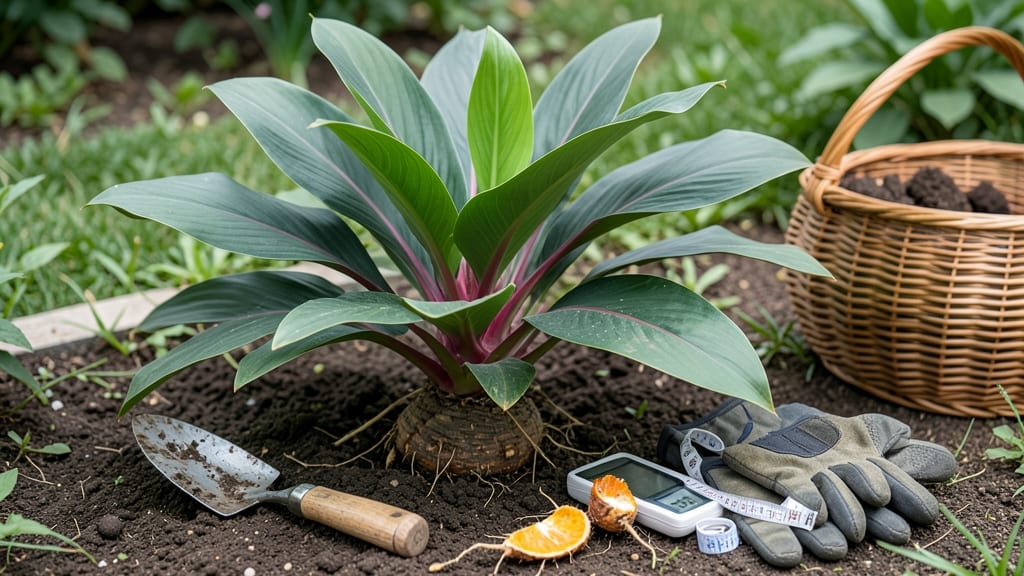
Harvesting turmeric at the right time means the difference between bold golden rhizomes and bland, fibrous scraps 🌿—and getting it wrong can cost you months of effort.
Picture this: you’ve nurtured your turmeric for nearly a year, watching it grow from tiny shoots to lush foliage. But if you pull those rhizomes too early, you’ll end up with underdeveloped roots.
Wait too long, and the flavor fades while the skin toughens. The key? Learning the three finger-press tests that reveal when your turmeric is truly ready.
Climate plays a huge role—tropical growers might harvest as early as 9 months, while cooler zones like USDA 6a need to wait until late fall, after the leaves yellow and die back.
Below, I’ll walk you through the exact visual cues, from leaf color to rhizome size, so you never miss peak harvest season again.
You’ll also discover how to avoid common mistakes (like harvesting after a frost) and what to do if your rhizomes don’t measure up—because even the best gardeners sometimes get it wrong the first time.


3 Finger-press tests to determine perfect turmeric harvest timing
Harvesting turmeric at the right moment transforms your crop from ordinary to extraordinary—think deeper golden hues, richer flavor, and higher curcumin content. But how do you know when those rhizomes are ready?
Skip the guesswork with these three simple finger-press tests that reveal maturity without digging up your entire patch too soon. I’ve used these methods for years in my USDA Zone 9a garden, and they’ve never failed me.
Turmeric rhizomes mature underground, so you can’t judge by what you see above soil. Instead, focus on three key physical traits: skin color, firmness, and root development. Each test takes just seconds but gives you unmistakable signs of readiness.
The best part? You can perform these tests without harming the plant until you’re certain it’s time to harvest. Let’s dive into the first test—it’s the easiest to spot and often gives you the first clue.
🌱 3 Finger-Press Tests for Perfect Turmeric Harvest
-
Test 1: Skin Color Intensity
Press gently on rhizome skin—look for golden-brown hues. Immature rhizomes appear greenish or fibrous. -
Test 2: Firmness Resistance
Press with your thumb—ready rhizomes feel dense and slightly springy. Soft or mushy = too early. -
Test 3: Root Development
Gently pull back soil—roots should be 2–3 inches thick with fewer fibrous roots.
💡 Pro Tip: Combine all three tests for 100% accuracy. A rhizome passing two out of three is almost ready—wait 1–2 weeks.
Let’s start with the skin color test, the most visual and reliable early indicator. Mature turmeric rhizomes develop a rich golden-brown skin as they near harvest time. To test this, carefully dig up one rhizome per plant (about 3–4 inches deep) and examine its skin.
If it’s still greenish or fibrous, your turmeric needs more time. In my experience, Alphonso variety turns golden first, while Sukumari takes longer—sometimes up to 12 months.
If the skin shows patches of golden-brown, your turmeric is 60–70% ready. But don’t harvest yet—this test alone isn’t enough. Combine it with the firmness test, which reveals the rhizome’s internal maturity. Press your thumb firmly into the rhizome.
A mature rhizome feels dense and slightly springy, almost like pressing a ripe avocado. If it feels soft or mushy, it’s not ready—this often happens in overly wet soil or if harvested too early.
For the root development test, gently brush away soil around the rhizome’s base. Look for thick, fleshy roots (2–3 inches in diameter) with minimal fibrous roots. This indicates the plant has redirected its energy from growth to storing nutrients in the rhizome.
In my container-grown turmeric, I notice roots thicken most between 8–10 months after planting. If roots are still thin and fibrous, wait another 4–6 weeks.
Here’s a critical mistake many gardeners make: relying on leaf color alone. While yellowing leaves signal the end of the growing season, they don’t guarantee rhizome maturity. I’ve seen bright yellow leaves with tiny, green-skinned rhizomes—a sure sign of premature harvest.
Always pair leaf signals with these finger-press tests for accuracy. For example, if leaves yellow but rhizomes fail the firmness test, hold off on harvesting.
Timing your harvest correctly also depends on your climate zone. In tropical regions (Zones 10–12), turmeric often matures faster—sometimes in 8–9 months—while temperate zones (Zones 7–9) may need 10–12 months.
I’ve found that late-summer planting in Zone 9a gives me rhizomes ready by early spring, just before the next growing season. Use these tests to fine-tune your timing based on your local conditions.
Once you’ve confirmed maturity with all three tests, it’s time to harvest. Use a sharp garden fork to lift rhizomes carefully, then brush off soil and cure them in sunlight for 7–10 days. This process deepens their color and enhances flavor.
I like to lay them on a screen or mesh rack in a shady, dry spot to avoid direct sun, which can scorch the skin. After curing, store in a cool, dark place for up to 6 months.
If you’re growing turmeric in containers, these tests work just as well—though you may need to dig slightly deeper due to root restriction. I’ve had success with 5-gallon pots filled with well-draining soil, where rhizomes mature slightly slower but still pass these tests reliably.
The key is consistency in care: partial shade, regular watering, and no over-fertilizing in the final months.
Remember, the earlier you harvest, the less potent your turmeric will be. Immature rhizomes lack curcumin, the compound responsible for turmeric’s anti-inflammatory benefits and vibrant color. By mastering these three finger-press tests, you’ll ensure your harvest is bold, flavorful, and packed with medicinal power.
Now grab your gloves and get testing—your next batch of golden rhizomes is waiting! 🌿
How climate and growing conditions affect turmeric harvest windows
Your turmeric plants thrive in 9–10 months, but the exact harvest window depends on where you live. In tropical climates, like Florida or Hawaii, turmeric grows year-round with consistent warmth and humidity, allowing harvests every 8–9 months.
Meanwhile, in temperate zones (USDA 7–9), frost risk forces a tighter schedule—aim for harvest before the first frost, typically late September to October.
Daylight hours also play a critical role. Turmeric needs 10–12 hours of daylight for optimal rhizome development. In northern latitudes, shorter days slow growth, so start plants indoors in late winter to extend the growing season. Southern gardeners can plant directly in spring and harvest by fall without stress.
Soil moisture is another key factor. Turmeric prefers well-draining, slightly acidic soil (pH 6.0–7.5), but overwatering leads to rotten rhizomes. In dry climates, like Arizona or California, mulch heavily to retain moisture.
In humid regions, like Louisiana, space plants 12 inches apart to improve airflow and prevent fungal diseases.
| Climate Type | Harvest Window | Key Conditions | Rhizome Size |
|---|---|---|---|
| Tropical (e.g., Florida, Hawaii) | Year-round, peak 8–9 months | Warmth (75–85°F), high humidity, no frost | 2–3 inches diameter |
| Temperate (USDA 7–9, e.g., Texas, Georgia) | Late September–October | Cool nights (50–60°F), 10+ hours daylight | 1.5–2.5 inches diameter |
| Cool Temperate (USDA 5–6, e.g., New York, Midwest) | Early October–November (before frost) | Short growing season, frost risk after October 15 | 1–2 inches diameter |
| Arid (e.g., Arizona, California) | Mid-October–November | Hot days (90°F+), dry soil, mulch required | 2–3 inches diameter |
Pay attention to leaf color as a harvest cue. In tropical climates, leaves may yellow gradually, while in cooler zones, they’ll brown and crisp faster. Dig up a test rhizome when leaves start dying back—if it’s 2+ inches thick with a golden-brown skin, it’s ready.
If the soil is too wet, wait 1–2 weeks to avoid rot.
Adjust your harvest strategy based on local frost dates. Use a frost calculator to plan ahead—turmeric can’t survive freezing. In Zone 5 or colder, grow turmeric in containers and move them indoors before frost.
In Zone 10+, you can harvest twice yearly if you plant new rhizomes every 6 months.
Pro tip: In humid climates, harvest in the morning after dew dries to reduce fungal risk. Rinse rhizomes gently, then cure them in direct sunlight for 10–15 days to boost flavor and potency.
Store cured rhizomes in a cool, dry place for up to 6 months—they’ll keep longer than fresh ones!