
How To
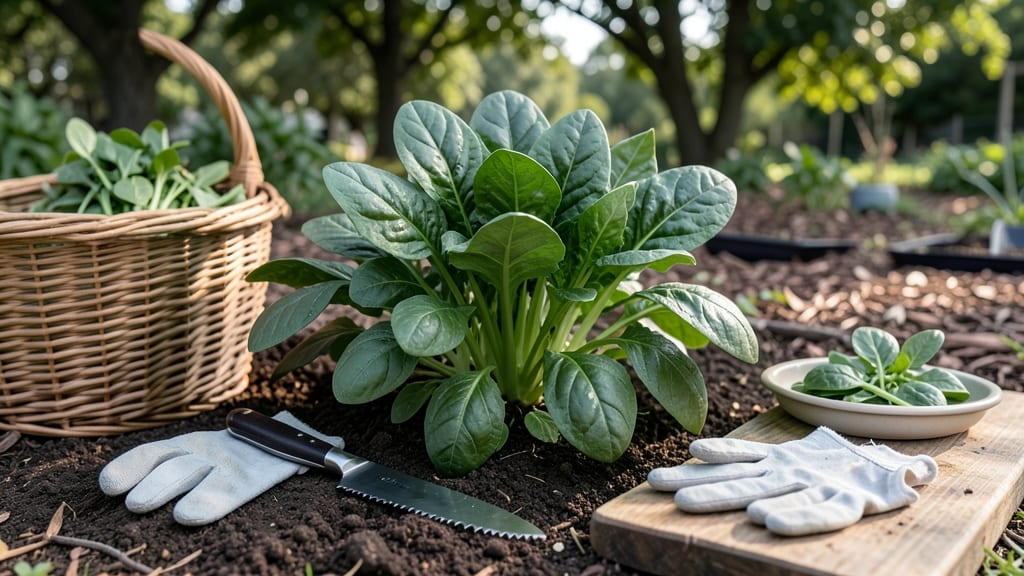
To harvest spinach properly, you’ll want to pick leaves when they’re 4-6 inches long—before they turn tough or bitter 🌱.
Harvesting spinach at the right time can mean the difference between a handful of bitter leaves and a bountiful, regrowing patch of tender greens—here’s how to do it right.
If you’ve ever pulled a leaf only to watch the plant bolt or wilt, you know timing and technique matter. The key is harvesting outer leaves first, leaving the inner ones to keep growing.
Below, I’ll walk you through the best methods for cutting (not pulling) leaves, how to encourage regrowth, and when to stop harvesting before the plant flowers.


When to harvest spinach for maximum yield and flavor
Timing your spinach harvest is everything—picking too early means small, underdeveloped leaves, while waiting too long risks tough, bitter, or bolted plants. The key is harvesting when leaves reach their peak tenderness and optimal size, typically between 4-6 inches long.
This window ensures both flavor and regrowth potential, especially for perpetual-harvest varieties like 'Bloomsdale Long Standing' or 'Giant Winter.'
Spinach is ready for harvest when the outer leaves are deep green, crisp, and fully unfurled. Avoid harvesting when plants are stressed by heat waves or drought, as this triggers bolting (flowering), turning your greens bitter and woody.
Instead, aim for cool-season harvests in spring or fall when temperatures stay between 50-75°F.
| Harvest Stage | Leaf Size | Plant Height | Days to Harvest | Visual Cues |
|---|---|---|---|---|
| Baby Leaves | 2-3 inches | 4-6 inches | 30-40 days | Tender, bright green, no yellowing |
| Mature Leaves | 4-6 inches | 6-12 inches | 45-60 days | Deep green, crisp, fully unfurled |
| Over-Mature | 6+ inches | 12+ inches | 60+ days | Bitter, tough, may bolt (flower) |
For baby leaf harvests, you can start picking as early as 30 days when leaves are just 2-3 inches long. This method works well for cut-and-come-again varieties like 'Tyee' or 'Corvair,' which produce smaller, sweeter leaves.
Simply snip the outer leaves, leaving the inner growth intact to keep the plant producing. This approach maximizes yield over time and prevents the plant from bolting prematurely.
Watch for color changes as a key indicator—healthy spinach leaves should be a vibrant deep green. If you notice yellowing or pale leaves, this could signal nutrient deficiency (often nitrogen) or overcrowding.
In these cases, wait until the plant recovers before harvesting. Yellowing edges can also mean calcium deficiency, so consider adding crushed eggshells or lime to the soil if this persists.
Weather plays a critical role in harvest timing. Spinach thrives in cool temperatures and can suffer in hot summer heat, which causes it to bolt quickly. If you're growing in USDA Zone 6a or warmer, focus on fall or early spring harvests to avoid these issues.
In cooler climates, you can extend harvests into late fall, but avoid harvesting after the first light frost, as this can turn leaves mushy.
One of my favorite tricks for prolonged harvests is to use shade cloth during peak summer months. This keeps soil moisture high and prevents bolting, allowing you to harvest for 6-8 weeks longer than usual.
Just ensure the cloth provides 30-50% shade and remove it during cooler weather to maintain growth.
If your spinach starts to bolt (shoot up flower stalks), it’s past its prime for harvesting. Bolting happens when plants sense long daylight hours or heat stress, and the leaves become bitter and stringy.
To prevent this, harvest aggressively before flower stalks appear, and avoid planting in late summer unless you’re in a high-altitude or northern region.
For continuous harvests, space plants 4-6 inches apart and thin seedlings to 2-3 inches apart as they grow. This reduces competition and ensures each plant has room to develop larger, healthier leaves.
Always harvest outer leaves first, leaving the inner rosette intact. This method encourages regrowth and can extend your harvest by 30-50% compared to harvesting entire plants at once.
Finally, time your harvests to avoid peak market prices if you’re selling your spinach. Early spring and late fall harvests often yield the highest prices due to limited supply.
Store harvested leaves in the crispest drawer of your fridge for up to 5-7 days, or blanch and freeze them for long-term storage. With the right timing, you can enjoy a year-round supply of fresh, tender spinach straight from your garden.
Step-by-step spinach harvesting techniques to avoid damage
Harvesting spinach correctly ensures a continuous supply of tender leaves while protecting your plants. The key is to use the right techniques for your specific spinach variety—whether it's baby leaf, mature leaf, or perpetual harvest types.
Improper harvesting can stress the plant, leading to bitterness or even bolting (flowering prematurely). Let’s break down the best methods to keep your spinach thriving.
Before you start, gather your tools: a sharp pair of pruning shears or clean scissors for larger leaves, and your fingers for delicate leaf pinching. Avoid dull tools, as they can tear leaves and invite pests.
For baby leaf spinach, you’ll often harvest by hand, while mature spinach may require shears. Always work in the morning when leaves are crisp and hydrated for the cleanest cuts.
How to Harvest Spinach Without Damaging the Plant
- 1 Identify the right leaves: Choose the outer leaves first—they’re fully grown and won’t hinder the plant’s growth. For baby spinach, harvest the smallest leaves at the base.
- 2 Use the pinch-and-pull method: For tender leaves, pinch them off just above the leaf node (where the leaf meets the stem). Avoid tearing—gently pull upward while supporting the stem with your other hand.
- 3 Cut larger leaves cleanly: For mature spinach, use sharp shears to cut the stem 1/2 inch above the base. This encourages new growth from the center while keeping the plant intact.
- 4 Avoid over-harvesting: Never remove more than 1/3 of the plant at once. For perpetual spinach, leave the inner leaves to keep the plant productive.
- 5 Harvest regularly: Pick leaves every 2-3 weeks to prevent bolting. In cool weather, spinach can regrow quickly—check plants weekly for new growth.
For baby leaf spinach, focus on harvesting the youngest leaves at the base of the plant. These are the most tender and flavorful. Use your fingers to gently twist or pinch them off, leaving the stem intact.
This method encourages the plant to produce more baby leaves over time, giving you a steady supply without sacrificing the plant’s health.
If you’re growing mature spinach for larger leaves, prioritize the outer leaves first. These are fully developed and won’t compete with the inner leaves for nutrients. Use clean shears to make a precise cut just above the leaf node.
This reduces stress on the plant and promotes new growth from the center. Avoid cutting into the main stem, as this can stunt the plant’s ability to regrow.
After harvesting, rinse your spinach leaves under cool water to remove dirt and pests, then store them in a perforated plastic bag in the fridge for up to 5 days.
For long-term storage, blanch and freeze the leaves to preserve their nutrient density and flavor. With the right techniques, your spinach patch can provide a continuous harvest all season long!