
Vegetables
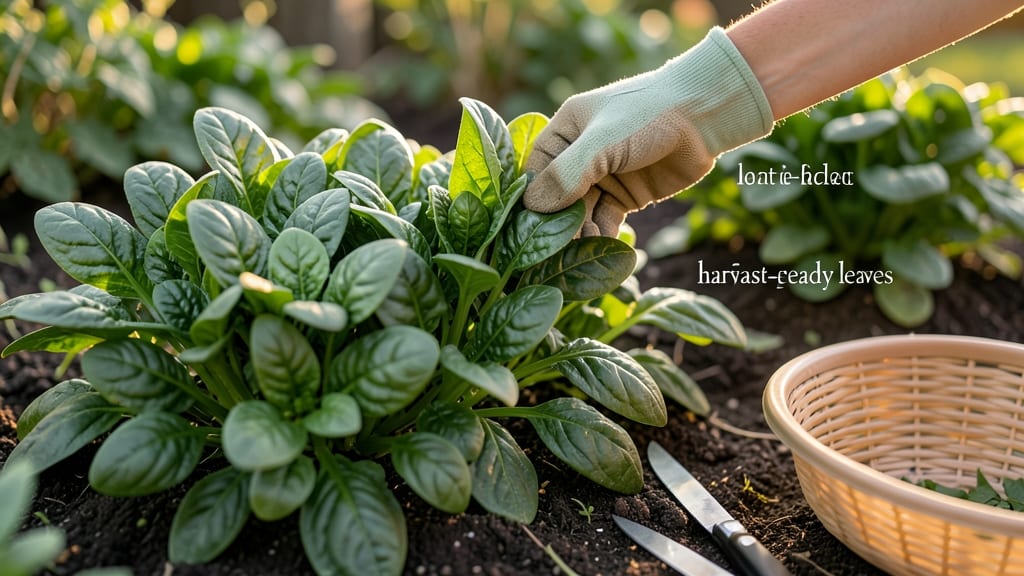
Harvesting spinach leaves when they’re 3–6 inches long ensures tender, flavorful greens 🌱—but timing it wrong can turn your crop bitter or stunted.
Many gardeners wait too long, ending up with tough, fibrous leaves that ruin salads and soups. The key? Watching leaf size and texture, not just days since planting. A 4-inch leaf is prime for baby greens, while 6-inch leaves signal it’s time for a bigger harvest before the plant bolts.
Seasonal shifts matter too—spring spinach grows fast in cool weather, while summer heat speeds up bolting. That’s why adjusting your harvest window by 10–14 days in late summer can mean the difference between a second crop and a sad, bolted plant.
In this guide, I’ll break down the exact leaf size tricks for regrowth, seasonal adjustments, and how to avoid common mistakes that waste your harvest. Ready to turn your spinach patch into a year-round green machine?


3 Leaf size tricks to harvest spinach at peak tenderness
Harvesting spinach at the perfect moment transforms your garden into a flavor factory. The key lies in leaf size, which directly impacts texture, tenderness, and even regrowth potential. Unlike other greens, spinach bolts quickly when left too long—turning sweet leaves into bitter, fibrous messes.
Mastering these three leaf size tricks ensures you always harvest at peak freshness while keeping your plants productive.
First, focus on the baby leaf stage (3-4 inches). This is where spinach shines brightest—delicate, crisp texture and mild sweetness that’s perfect for salads. Many gardeners skip this stage, but harvesting early means continuous regrowth and a longer harvest window.
The secret? Snip just the outer leaves first, leaving the inner growth to mature. This method keeps your plants bushier and productive for weeks.
Next, aim for the mature leaf stage (5-6 inches) when you want that bold, earthy flavor ideal for sautéing or blending. At this size, leaves develop a slightly tougher texture but still remain tender. The trick here is to never harvest more than 1/3 of the plant at once.
Use clean scissors to cut leaves at the base, leaving 1-2 inches of stem to encourage new growth. This stage is perfect for heirloom varieties like 'Bloomsdale Long Standing' or 'Giant Winter,' which thrive with regular harvesting.
Finally, watch for the overgrown stage (7+ inches), where spinach becomes woody and bitter. This happens when plants bolt—sending up a flower stalk—which signals the end of the harvest window. If you spot this, act fast: harvest the entire plant before it goes to seed.
While the leaves may not be as tender, they’re still edible (great for soups or smoothies) and prevent the plant from wasting energy on seeds. This aggressive harvest also clears space for a second planting in late summer for a fall crop.
Pro tip: Always harvest in the morning when leaves are fully hydrated. Use a sharp knife or scissors to avoid crushing stems, which can introduce disease. If your spinach starts flowering, you’ve waited too long—next time, harvest when leaves hit 4-5 inches to extend your season.
The right leaf size isn’t just about flavor; it’s about prolonging your harvest and keeping your spinach plants happy and productive.
Remember, spinach is a cut-and-come-again crop, meaning it regrows after harvesting. By mastering these three leaf size tricks, you’ll enjoy tender, flavorful leaves all season long—without the bitterness or wasted effort.
Start with baby leaves, move to mature harvests, and only resort to full harvests when absolutely necessary. Your garden (and taste buds) will thank you!
Seasonal adjustments for spinach harvest timing
Spinach thrives in cool weather, but its harvest timing shifts dramatically between spring and fall. The same leaf size rules don't apply when temperatures climb or daylight shortens. In my experience, ignoring these seasonal cues leads to either bitter leaves or wasted regrowth potential.
Let's break down how to adjust your harvest strategy for each season to keep your spinach tender and productive.
Spring-planted spinach grows fastest with longer daylight hours and cooler nights, giving you a wider harvest window. However, as summer approaches, heat stress accelerates bolting—the plant's rush to flower—shrinking that window dramatically. Fall harvests, on the other hand, benefit from cooler temperatures and shorter days, which actually slow growth slightly.
This means you'll need to harvest earlier in the season to avoid frost damage while still getting full-sized leaves.
Spring Growth (Cool Weather)
Harvest baby leaves at 21-28 days (3-4 inches). Mature leaves ready at 35-40 days—prioritize outer leaves to encourage regrowth.
Fall Growth (Extending Season)
Shift harvest timing 10-14 days earlier than spring. In frost-prone zones, harvest 2-3 weeks before first frost for tender leaves.
Heat Stress Warning
Above 75°F (24°C), spinach bolts quickly. Harvest aggressively (cut entire plants) when leaves reach 4-5 inches to prevent bitterness.
One common mistake I see is gardeners waiting too long in spring, assuming their spinach will keep producing. But when temperatures creep above 70°F (21°C), growth slows and leaves toughen rapidly. The key is to harvest more frequently in spring—even if it means smaller leaves—rather than risking bolting.
I've found that cutting 1/3 of the plant every 7-10 days in warm springs maintains tender leaves while encouraging bushier regrowth.
For fall harvests, timing becomes even more critical. In my Zone 6a garden, I've learned to start harvesting 6-8 weeks after transplanting in late summer, rather than waiting for full maturity.
The shorter daylight hours mean spinach grows more slowly, so you'll need to check leaves every 5-7 days starting at 4 inches. This early harvest strategy prevents the plant from sending up flower stalks before frost hits.
Pro tip: Use a shade cloth during heatwaves to buy yourself extra harvest time. I've extended my summer spinach season by 2-3 weeks using 30% shade cloth, which keeps leaves tender without stunting growth. Pair this with morning watering to prevent stress—spinach wilted by afternoon sun becomes bitter within hours.
Remember that daylight length is your most reliable guide. Spinach needs 12-14 hours of daylight for optimal growth. In summer solstice conditions (longest days), growth accelerates, while autumn's shorter days slow it down. Adjust your harvest schedule accordingly to match these natural rhythms.