
How To
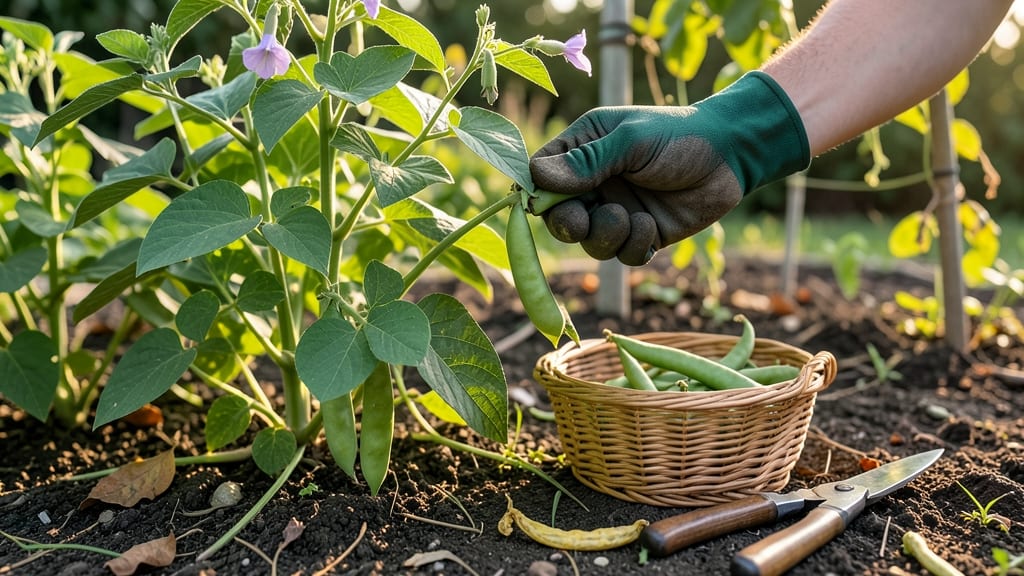
Harvest snap beans when pods reach 4-6 inches and stay crisp 🌱 — that’s the sweet spot between tender and tough.
Picking snap beans at the wrong time can turn crisp, sweet pods into tough, stringy disappointment—so timing your harvest is everything for garden-fresh flavor.
Most gardeners miss the window by waiting too long, but a quick check of pod size and color can save your harvest. I’ll show you how to spot the perfect moment, when to pick for continuous production, and how climate affects timing.
You’ll learn the exact measurements for different varieties, color cues that signal readiness, and the best times of day to harvest for maximum freshness.


Snap bean harvesting by pod size: the exact measurements you need
Timing your snap bean harvest by pod size is the secret to crisp, sweet beans straight from your garden. Most varieties reach peak flavor when pods are 4-6 inches long, but the exact size depends on whether you're growing flat pods (like Blue Lake) or round pods (like Contender).
Overlooking these measurements means tough, stringy beans that lack that garden-fresh snap.
For flat pod varieties, aim for pods that are 4-5 inches long and ½-¾ inch wide. These should feel firm to the touch but still yield slightly when pressed. If you wait too long, the pods will thicken and develop woody texture.
Meanwhile, round pod varieties should be 2-3 inches in diameter with a smooth, glossy surface—any larger and they’ll start to toughen up.
Here’s how to measure like a pro: Use your thumb and forefinger to pinch a pod gently. If it feels crisp but not brittle, it’s ready. If seeds are visible but not bulging, you’ve nailed the window.
Waiting just 24 hours past this point can turn your harvest from perfect to over-mature and stringy.
🌱
Pro tip: Harvest in the morning when pods are cool and crisp. This is when their sugar content peaks and texture is at its best. Use sharp pruning shears or simply pinch pods off with your fingers—just avoid tearing the vine, which can stress the plant and reduce future yields.
If you're growing bush beans (like Blue Lake), you’ll harvest pods every 2-3 days for continuous production. For pole beans (like Kentucky Wonder), check pods every 1-2 days since they mature faster. The key is consistency—regular harvesting encourages more pods to form and keeps your plants productive all season.
For purple or speckled varieties, the same size rules apply, but watch for color shifts. A pod that’s deep green or vibrant purple is ideal, while dull or yellowing pods mean it’s past prime.
If you see brown streaks or wrinkled skin, it’s time to harvest immediately—these are signs of over-maturity or pest damage.
🌿
Don’t let heat stress fool you into harvesting too early. When temperatures soar above 90°F (32°C), snap beans may stop growing or develop bitter flavors. In these cases, harvest pods as soon as they reach 70% of their ideal size to avoid waste.
Similarly, in cool climates, pods may mature slower—check for firmness and seed visibility rather than relying solely on size.
One common mistake is assuming all snap beans should be harvested at the same size. Dwarf varieties like Blue Lake Dwarf mature faster and should be picked at 3-4 inches, while standard varieties like Blue Lake can wait until 5-6 inches.
Always refer to your seed packet for variety-specific guidelines, but use the size chart above as your go-to reference.
📏
Color shift tricks: how bean pod colors signal harvest time
Your snap beans might look ready, but their pod colors tell the real story. Green, purple, or speckled varieties each change hue at harvest time—ignoring these cues means missing peak flavor.
I’ve learned the hard way that waiting too long turns crisp pods into tough, fibrous messes. The key? Watching for subtle shifts in color that scream "pick me now!"
Most green snap beans start bright and deepen to a rich sage-green when ready. Purple varieties like 'Blue Lake' fade from lavender to a muted bluish-gray, while speckled types develop crisp, defined patterns.
These color changes aren’t just cosmetic—they’re nature’s way of saying "harvest before the seeds bulge!" Let’s decode what your pods are really saying.
- 1. Green varieties: Harvest when pods turn deep, glossy green (not pale or yellowing). Wait too long = woody texture.
- 2. Purple varieties: Pick when color fades to dull lavender-gray. Bright purple means underripe; faded = perfect.
- 3. Speckled types: Look for crisp, defined speckles—blurry patterns mean overmaturity. Seeds should be tiny dots, not bulging.
- 4. All colors: Morning harvests preserve sweetness. Pods left on vines overnight lose crispness faster.
Color isn’t the only clue—pod firmness matters too. Press a pod gently: it should spring back like a rubber band. If it dents or feels spongy, you’ve waited too long.
I once left 'Blue Lake' beans on the vine for 3 extra days just to see the color change—big mistake! The pods turned rubbery, and the flavor? Bland. Lesson learned: trust the color cues!
Regional differences matter too. In hot climates, beans mature faster—watch for color shifts 2-3 days earlier than cooler zones. My Zone 7a garden produces purple beans ready in 52 days; in Zone 5a, I wait 58 days.
Always adjust based on your local growing season. A quick check of your last frost date helps predict timing.
Don’t ignore speckled varieties like 'Dragon Tongue'—their patterns sharpen at harvest. When speckles become sharp and distinct, that’s your green light. But if they blur or the pod feels leathery, it’s past prime.
I once harvested a batch of speckled beans too late, and the pods were twice as thick as they should’ve been. Yikes!
Harvesting at the right color stage ensures sweet, tender beans every time. Now that you know the secrets, grab your shears and enjoy that garden-fresh crunch! Just remember: color + firmness = perfect pod. Happy harvesting! 🌿