
How To
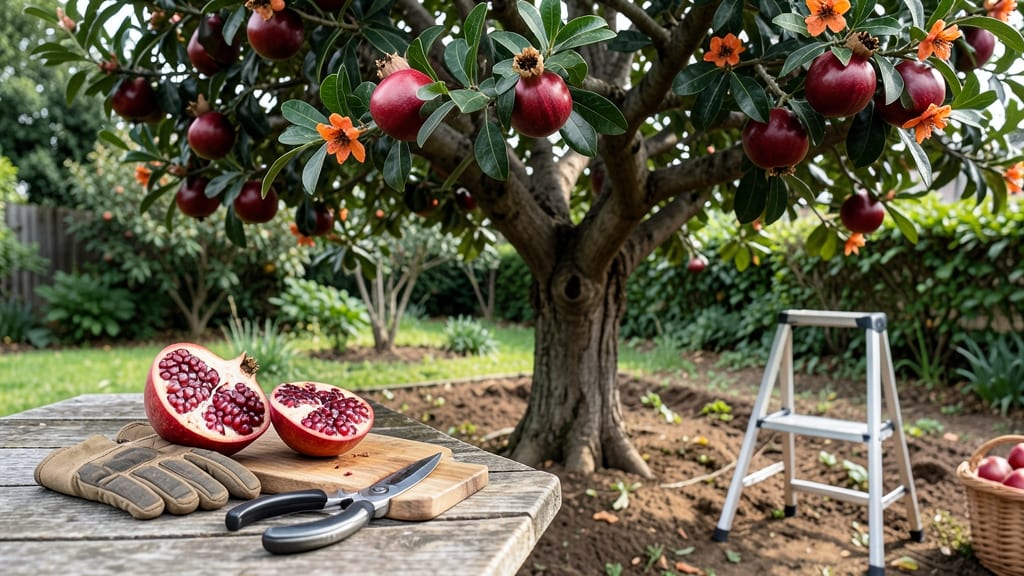
Harvesting pomegranate fruit at the right time means the difference between a bursting, jewel-toned treasure and a mealy, flavorless disappointment.
Picture this: your 🍇 tree is heavy with fruit, but you hesitate—pick too early, and the seeds taste bland; wait too long, and they turn bitter. The key? Watching for that dramatic shift from pale green to deep red inside the arils, a sign most gardeners miss.
In USDA Zone 6, that perfect window usually falls between late October and November, but climate and variety play a role. Below, I’ll walk you through the visual cues, seasonal adjustments, and one simple test to guarantee you never harvest too soon or too late.
You’ll learn how to spot the ideal moment, avoid common mistakes, and even troubleshoot if your pomegranates turn out less than perfect—so you can enjoy that first crunch of a perfectly ripe seed.


How seed color shifts signal pomegranate ripeness (with visual guide)
Most gardeners focus on the pomegranate rind color when deciding harvest time, but the real magic happens inside. The seed color shift from pale green to deep ruby red is your most reliable indicator of peak ripeness.
This transformation signals maximum sugar content and tender, juicy seeds—far more accurate than fruit size or skin hue alone.
Why does this matter? Unripe seeds taste bitter and mealy, while overripe seeds turn black and mushy. The 3-stage seed color progression I’ll break down below acts like a built-in ripeness meter.
Mastering this visual cue ensures you harvest at the perfect moment, whether you’re growing ‘Wonderful’ pomegranates in Zone 7 or ‘Eversweet’ varieties in California’s Mediterranean climate.
Here’s the visual guide you need: the seed color shifts from light green (underripe) to deep red/purple (prime), then to black (overripe). The transition to red isn’t instantaneous—it takes 2-3 weeks—so start checking seeds 6-8 weeks before your expected harvest window.
To test seed ripeness without damaging the fruit, gently squeeze the pomegranate near the stem. If it yields slightly but stays firm, it’s ready for the seed color check. Cut open a small section near the blossom end (the calyx) using a sharp knife—this avoids bruising the fruit.
Look for at least 60% red seeds in that sample for ideal harvest timing.
Here’s the summary table breaking down the seed color stages, their flavor profiles, and when to act:
The deep red/purple stage (60-90% red seeds) is your sweet spot. At this point, the seeds are plump and juicy, with 3-5x more sugar than underripe fruit.
The rind will also be deep burgundy, but don’t rely on this alone—some varieties like ‘Mollar de Elche’ keep greenish rinds even when ripe.
Pro tip: If you’re growing pomegranates in hot climates (Zones 9-10), seeds may ripen faster due to accelerated sugar production. Check seeds every 5-7 days starting in late summer to avoid missing the window.
In cooler zones (like USDA Zone 6), the process slows down—expect the deep red stage around mid-October.
Once you’ve confirmed the ideal seed color, harvest by twisting the fruit gently from the stem. If it resists, use pruning shears to avoid damaging the tree.
Store harvested pomegranates at room temperature for 1-2 weeks or refrigerate for up to 3 months to preserve that perfect seed color and flavor.
Remember: The seed color shift is your most accurate harvest guide. Skip the guesswork and let the pomegranate’s internal color cues lead you to peak ripeness every time—no bitter surprises or wasted fruit! 🍇
5 Critical factors beyond seed color that determine harvest timing
While seed color is your first clue, don’t stop there—pomegranates reveal their ripeness through multiple subtle cues. In USDA zones 7-9, for example, the skin firmness and seed separation tests become just as critical as color.
Even in the Mediterranean climate, where pomegranates thrive year-round, these factors prevent premature or overripe harvests.
I’ve learned the hard way that ignoring regional climate patterns can throw off your timing by weeks. A California pomegranate (Zone 9) might ripen in September-October, while a Georgia pomegranate (Zone 8) peaks in October-November. Combine these five key indicators for foolproof results every time.
- 1
- 2
- 3
- 4
- 5
Pro tip: Combine these tests for accuracy. For instance, a firm skin with deep red seeds but a green calyx means wait 5-7 days. I once harvested a batch too early because I trusted the skin color alone—only to find the seeds were hard and tasteless.
The seed separation test saved me from repeating that mistake.
Don’t let first frost catch you off guard. In Zone 7, pomegranates must be harvested before October 15, while Zone 9 gardeners can stretch harvests into November.
Use a local frost date calendar as your final deadline. Even in Mediterranean climates, sudden temperature drops can ruin unharvested fruit overnight.
For container-grown pomegranates, these factors still apply—but watch for drought stress. Pots dry out faster, so skin firmness may develop earlier than in-ground trees. Always water deeply the day before testing to ensure accurate readings. The seed separation test remains your most reliable backup.
Now that you’ve mastered these five critical factors, you’ll never guess at harvest time again. Grab a sharp pruner, cut the fruit from the stem (don’t twist!), and enjoy the burst of jewel-toned seeds at their peak. Happy harvesting! 🍇