
How To
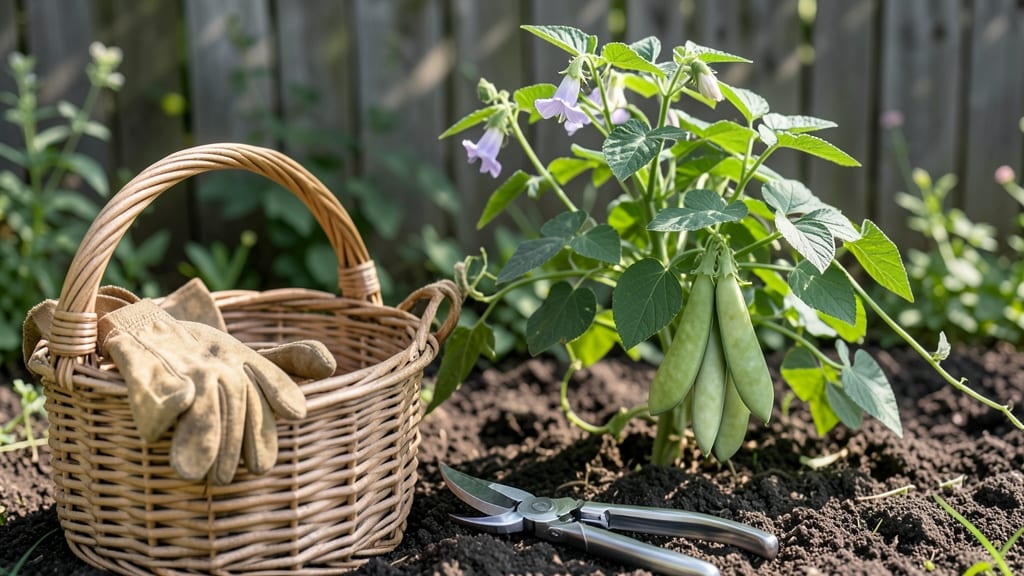
Harvesting lima beans at the right time ensures tender, flavorful pods instead of tough, stringy ones—so timing matters more than you might think.
Picture this: you’ve nurtured your 🌱 lima beans all season, and now the pods are swelling. But if you pick too early, they’re mealy; too late, and they turn woody. The difference between perfect and disappointing comes down to three key signs—and knowing when to look for them.
Most varieties reach peak harvest readiness between 70–90 days after planting, but the real clues are in the pod itself. Size, color, and firmness all play a role, and ignoring them can mean losing out on the creamiest, most delicious beans your garden can produce.
Below, I’ll walk you through the exact visual cues to watch for, how to test maturity with your fingers, and even how climate affects the timing. By the end, you’ll know exactly when to snip for the best flavor—and how to store them to keep that freshness going.


3 Key visual signs your lima beans are ready to harvest
Harvesting lima beans at the right moment transforms your garden labor into a bounty of tender, flavorful pods. Unlike some vegetables, lima beans don’t offer much room for error—wait too long, and you’ll end up with tough, fibrous pods that resemble leather.
The good news? Three simple visual cues will tell you exactly when to pick, whether you’re growing bush varieties like Fordhook or climbing pole types such as Henderson. Let’s break down what to watch for in each stage.
First, understand that lima beans mature over a 70–90 day window, depending on your variety and growing conditions. In my zone 6a garden, I’ve found that pole beans often reach harvest readiness about 10 days earlier than bush types because they get better air circulation and sunlight exposure.
But regardless of variety, the same three visual signs apply—pod size, color, and seed development. Ignore these, and you might miss the sweet spot between mealy underdevelopment and woody overmaturity.
- Pod Length: 4–6 inches (bush varieties) or 5–7 inches (pole varieties)
- Pod Color: Deep, glossy green (no yellowing or mottling)
- Seed Development: Seeds visible but not bulging (about ½-inch wide)
- Pod Firmness: Firm but yields slightly when pressed (like a ripe avocado)
- Stem Snap Test: Clean break when bent sideways (not brittle or rubbery)
Let’s start with pod length, the most obvious sign. When pods reach 4–6 inches for bush varieties or 5–7 inches for pole beans, they’re typically ready. I measure mine against my pruning shears (about 6 inches) for a quick visual check.
Smaller pods (under 3 inches) are still tender but lack the starchy richness lima beans are known for. Overlooking this can mean missing your window—once pods exceed 7 inches, they start developing that woody texture that’s nearly impossible to salvage.
Next, pay attention to pod color. Ready-to-harvest lima beans should be a vibrant, deep green with a slight glossy sheen. Any yellowing or mottling signals overripeness, while pale green pods are underdeveloped.
In my experience with Henderson pole beans, the color shift happens rapidly—sometimes within 24 hours—so I check my plants daily during peak harvest season. If you’re growing bush varieties, the color change might be more gradual, but the same rule applies: deep green equals peak flavor.
The third critical sign is seed development. At the perfect harvest moment, lima bean seeds should be visible but not bulging—about ½-inch wide.
If seeds are tiny or barely visible, the pod is still maturing; if they’re large and pushing against the pod walls, you’ve waited too long. I use a magnifying glass for close inspection, especially with smaller varieties like Christmas lima beans.
This stage is crucial because overripe seeds can make the entire pod tough and unappetizing, even if the pod itself looks okay from the outside.
For pole bean varieties, which mature slightly faster, I’ve found that checking the topmost pods first gives me a heads-up. Since pole beans grow vertically, the upper pods often ripen 5–7 days earlier than those lower on the vine.
This staggered maturity means I can harvest in batches, extending my harvest window by 2–3 weeks. Bush varieties, on the other hand, tend to ripen more uniformly, so I focus on pod consistency across the entire plant before harvesting.
One common mistake I see (even among experienced gardeners) is relying solely on pod size while ignoring the other signs. A 6-inch pod that’s pale green and mushy isn’t ready—it’s overripe.
Similarly, a 4-inch pod that’s deep green and firm might still need 3–5 more days to reach full flavor potential. To avoid this, I always perform the finger-press test: gently squeeze the pod between my thumb and forefinger.
It should feel firm but yield slightly, like a ripe avocado. If it feels rock-hard or squishy, it’s not harvest-ready.
Environmental factors can also affect timing, especially in hot climates or short growing seasons. In my zone 6a garden, late summer heat can accelerate pod development, so I harvest every 2–3 days during August to prevent overripeness.
Conversely, in cooler zones, pods may mature more slowly, and I extend my harvest window by 10–14 days. If you’re unsure, err on the side of harvesting slightly early—you can always cook underripe pods, but overripe ones are nearly inedible.
Finally, remember that harvest frequency impacts overall yield. Lima beans continue producing pods as long as they’re harvested regularly. I aim to pick every 2–3 days during peak season to encourage more flowers and pods.
If you miss this window, your plant may shift its energy into seed production, reducing future harvests. By mastering these three visual signs—pod length, color, and seed development—you’ll ensure a steady supply of tender, flavorful lima beans all season long.
Now that you’ve got the visual cues down, your next step is to test maturity with the finger-press method—but that’s a topic for our next section! For now, grab your shears, head to the garden, and start harvesting those perfectly ripe pods before they turn into garden leather.
How to test lima bean maturity: the finger-press method
Harvesting lima beans at the perfect moment ensures creamy texture and rich flavor, but many gardeners struggle to gauge maturity. The finger-press method is my go-to trick—it’s fast, reliable, and works for both bush beans and pole beans.
Simply press a pod between your thumb and forefinger with gentle pressure. If it yields slightly but doesn’t dent, it’s ready!
This tactile test beats guessing by size or color alone. For example, a pod might look ripe but feel mealy inside if harvested too early, or become fibrous and tough if left too long.
The finger press reveals the internal firmness that visual cues miss. I’ve used this method for years, and it’s saved me from bitter, overmature harvests.
⚠️ callout warning ⚠️
Overripe lima beans develop thick, stringy pods and hard seeds. If your finger press shows a pod that’s brittle or cracks, it’s past its prime. For best texture, harvest when pods are 4–6 inches long and deep green—before seeds bulge inside. In hot climates, pods may mature faster; check daily to avoid missing the window!
Climate plays a surprising role in lima bean maturity. In cooler regions, pods may take 2–3 extra days to reach ideal firmness. I’ve noticed this in my Zone 5 garden, where early-season harvests often need an extra day of ripening compared to late summer. Conversely, hot, dry weather can rush maturity—so monitor pods closely during heatwaves.
Common mistakes include harvesting based on pod length alone or ignoring the seed development inside. A pod might be 5 inches long but still feel soft and underdeveloped. Always combine the finger press with a quick visual check: glossy skin and uniform color confirm readiness.
Pro tip: Harvest in the morning when pods are coolest for the most accurate test.
For pole beans, focus on the lower pods first—they mature slightly earlier than those higher up. Twist pods gently at the stem to avoid damaging vines. If you’re unsure, harvest a few pods and taste-test one: a ripe lima bean should be smooth, buttery, and tender.
Save the rest for cooking or freezing—they’ll keep for 3–5 days in the fridge.
Mastering the finger-press method takes practice, but it’s worth it for homegrown lima beans that rival store-bought quality. Start testing pods when they reach 3 inches—this gives you a 3–5 day window to perfect your timing.
Soon, you’ll harvest beans at their peak every time, avoiding the disappointment of mealy or fibrous pods.