
How To
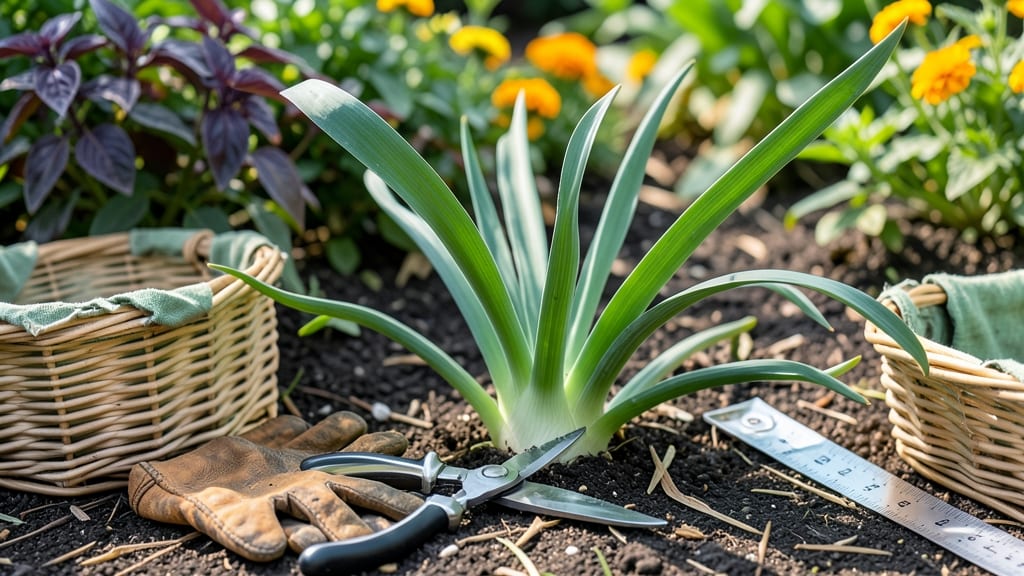
Harvesting garlic scapes at the right time is the key to bold flavor and bigger bulbs—miss the window, and you’ll end up with bitter shoots or stunted harvests.
Picture this: your 🧄 plants are thriving, but you’re staring at a lush green stalk, unsure if it’s ready. The difference between a perfect harvest and a wasted one often comes down to three simple knuckle tests—no guesswork, just science-backed cues.
Timing matters because cutting too early robs your garlic of energy, while waiting too long can turn those tender scapes bitter. In June or July, when your garden is bursting with spring growth, these tests will tell you exactly when to snip for the best results.
Below, I’ll walk you through the three foolproof ways to check—plus what happens if you get it wrong and how to fix it. No more second-guessing, just confident harvesting every time.


The 3 knuckle tests to determine perfect scrape harvest time
Garlic scapes are a gardener’s secret weapon—packed with onion-like flavor and the power to boost your garlic bulbs if harvested at the right time. But timing is everything. Cut too early, and you’ll miss peak flavor.
Wait too long, and your bulbs may stunt their growth. The good news? These three simple knuckle tests take the guesswork out of harvest timing, using only your hands and eyes.
These tactile methods work for garlic scapes and other edible shoots like rhubarb. The key is to look for specific physical cues that signal the scape is ready. No fancy tools required—just your fingers, a ruler, and a sharp pair of pruners.
Let’s dive into the three tests that’ll help you nail the perfect harvest window every time.
- 1 The 3-Inch Rule: Measure the scape’s straight section from the base to the first curl. When it reaches 3 inches, it’s ready. This early sign ensures you’re not waiting too long for the curl to form.
- 2 The 3-Leaf Test: Count the fully unfurled leaves at the scape’s base. When you see 3 mature leaves, the plant has allocated enough energy to support both the scape and the bulb below.
- 3 The Knuckle Curvature Check: Wrap your thumb and forefinger around the scape’s top curl. If the curl fits snugly around your knuckle (about 1-inch diameter), it’s time to harvest. A looser curl means it needs more time.
Start with the 3-inch rule as your first checkpoint. This early measurement gives you a heads-up that the scape is nearing harvest readiness. I like to check this every 3-4 days once the scape starts growing vertically.
If you’re growing garlic in USDA Zone 6a, this usually falls in late June or early July, depending on your planting date.
The 3-leaf test is my favorite because it ties directly to the plant’s energy distribution. Those three leaves mean the garlic plant has shifted focus from bulb growth to flowering.
If you harvest before this stage, you’ll sacrifice bulb size. But if you wait too long, the scape may flower prematurely, draining energy from your bulbs.
For the knuckle curvature check, think of your fingers as a built-in ruler. The tighter the curl fits around your knuckle, the riper the scape. Pro tip: Use your index finger and thumb for consistency—everyone’s knuckles are slightly different!
This test is especially useful for rhubarb stalks too, where the curl indicates peak tenderness.
Combine all three tests for foolproof results. For example, if your scape hits the 3-inch mark but only has 2 leaves, wait a day or two. But if it’s 3 inches long, has 3 leaves, and curls around your knuckle?
That’s your harvest signal. Grab your pruners and cut just above a leaf node to avoid damaging the plant.
Timing matters because garlic scapes grow fastest in warm weather. In my garden, a 75°F day can see a scape grow 1 inch overnight. That’s why I check them in the morning light—cool temperatures slow growth slightly, making it easier to spot the perfect curl.
If you’re in a hotter climate, like Zone 8 or 9, the tests may happen 2-3 weeks earlier.
Once you’ve mastered these tests, you’ll never second-guess harvest time again. The best part? You’ll end up with larger garlic bulbs and a steady supply of flavorful scapes for stir-fries, pesto, or pickling. And if you’re growing scapes for commercial sales, consistent timing ensures uniform quality.
Remember: The goal isn’t just to harvest—it’s to optimize regrowth. By using these knuckle tests, you’re giving your garlic plant the best chance to redirect energy back to bulb development after you remove the scape. That’s how you grow jumbo garlic bulbs year after year.
What happens if you harvest scapes too early or late?
Harvesting garlic scapes at the wrong time can turn your bold, flavorful harvest into a bitter disappointment or even stunted bulbs. When you cut too early, the scape flavor becomes mild and watery, while the plant’s energy isn’t fully redirected to bulb development.
On the flip side, waiting too long risks flowering, which drains the plant’s resources and leads to smaller, weaker bulbs that may even fail to mature.
The ideal harvest window is when scapes reach 8-12 inches and curl into a tight spiral. Missing this mark means sacrificing both culinary quality and future bulb growth. Let’s break down the consequences of timing mistakes and how to salvage your harvest if you’ve already gone off schedule.
Harvesting Scapes: Pros & Cons of Timing
| Timing | Pros | Cons |
|---|---|---|
| Too Early | Quick harvest for early cooking | Mild flavor, smaller bulbs, regrowth failure |
| Perfect Time | Bold flavor, large bulbs, healthy regrowth | None—ideal timing! |
| Too Late | Scapes may flower, adding bitterness | Bitter taste, stunted bulbs, reduced yield |
If you’ve already harvested scapes too early, don’t panic. The plant can still recover—focus on watering deeply and fertilizing with nitrogen to encourage bulb growth. Avoid overwatering, as soggy soil can lead to rot.
For late harvests, trim any flower buds that have formed and redirect the plant’s energy by pruning leaves to reduce stress.
Next season, mark your calendar and monitor scape growth closely. Use string ties or flags to track the 8-12 inch mark on taller scapes. Color changes—like a slight purple tint—can also signal readiness.
By adjusting your harvest timing, you’ll ensure juicy, flavorful scapes and plump, healthy garlic bulbs come harvest season.
Remember, patience pays off in the garden. A well-timed scape harvest not only gives you delicious greens but also sets the stage for bigger, better garlic bulbs later. Keep an eye on those curling stems, and you’ll never miss the perfect moment again!