
How To
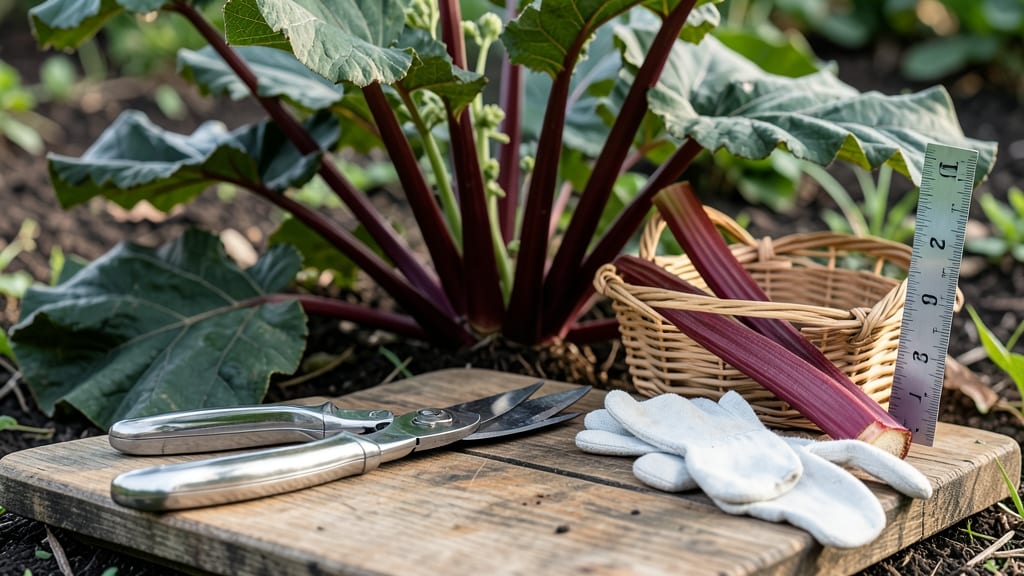
To harvest rhubarb stalks properly, wait until they reach 10–12 inches—that’s when they’re sweetest and the plant can bounce back strongest.
Rhubarb’s vibrant pink stalks are a gardener’s treasure—but harvesting them at the wrong time or with the wrong technique can stunt your plant’s growth or leave you with bitter, stringy stems.
Timing, cutting method, and regrowth strategies make all the difference between a bountiful harvest and a struggling 🍃 rhubarb.
You’ll want to cut stalks at the base, leaving the leaf crown intact to fuel next year’s growth. A sharp knife or pruners makes all the difference—dull tools crush the stems, inviting rot.
And here’s the secret: never take more than one-third of the stalks at once, or your plant will weaken.
In this guide, I’ll walk you through the exact moment to harvest, the right way to cut (so the plant thrives), and how to store your bounty—plus how to spot and fix common mistakes that kill regrowth.


When and how to harvest rhubarb stalks for maximum yield
Harvesting rhubarb at the right time ensures sweet, tender stalks while keeping your plant healthy for years. The key is waiting until stalks reach 10–12 inches tall and are firm to the touch.
Early harvesting leads to bitter, stringy stems and weak regrowth, while over-harvesting can exhaust the plant entirely. Timing matters most in spring to early summer, when stalks grow most vigorously.
Never cut the large leaves—these are essential for photosynthesis and regrowth. The leaf crown must remain intact to produce new stalks next season. Even if you’re eager for a harvest, patience pays off with a longer-lived, more productive plant.
I’ve learned this lesson the hard way after accidentally harvesting too early and watching my rhubarb struggle to recover.
Use a sharp knife or pruners to cut stalks at a 45-degree angle, about an inch above the leaf base. This prevents water from pooling on the cut and reduces disease risk.
Always harvest in the morning when stalks are crispest and most flavorful. Avoid harvesting after heavy rain, as wet stalks bruise easily.
First-year rhubarb plants are delicate—never harvest them at all during their first growing season. Let them focus on establishing a strong root system. In subsequent years, limit harvesting to 2–3 stalks per plant in the first year, then gradually increase to half the stalks by year three.
My three-year-old rhubarb plant now yields 20+ stalks annually because I followed this rule.
Watch for visual cues like firm, crisp stalks that pull away cleanly from the base. Soft or mushy stalks are a sign of overwatering or disease—harvest these immediately and inspect the plant for pests.
If stalks feel rubbery, they’re past their prime and should be left for regrowth. Always harvest on a dry, sunny morning to ensure the best texture and flavor.
After harvesting, water deeply to replenish moisture lost during cutting. Add a layer of mulch around the base to retain soil moisture and protect roots. I’ve found that composted leaves or straw work best for rhubarb, as they break down slowly and improve soil fertility over time.
Avoid heavy fertilizers immediately after harvesting—the plant needs time to recover.
Over-harvesting in late summer or fall triggers the plant’s bolting response, causing it to produce flower stalks instead of edible ones. Bolting weakens the plant and reduces next year’s yield.
If you notice flower stalks emerging, remove them immediately to redirect energy back to the crown. This is especially critical
Step-by-step guide: cutting rhubarb stalks without killing the plant
Harvesting rhubarb correctly ensures your plant thrives for years. The key is to cut stalks at the right time and angle while preserving the leaf crown—the heart of regrowth. Skip these steps, and you risk stunted growth or even plant death.
I’ve harvested rhubarb for over a decade, and I’ll share my foolproof method to maximize yield without harming your plant.
Before you begin, gather your tools: a sharp pruning knife or clean scissors, rubbing alcohol for sterilization, and a bucket for harvested stalks. Sterilizing your tools prevents disease spread between cuts. Now, let’s dive into the step-by-step process to harvest like a pro.
How to Harvest Rhubarb Stalks
- 1 Wait for mature stalks: Harvest only when stalks reach 10–12 inches tall and are thick and firm. Immature stalks are tough and stringy.
- 2 Sterilize your tools: Wipe your knife or scissors with rubbing alcohol to prevent spreading disease between cuts.
- 3 Cut at a 45-degree angle: Hold the stalk firmly and cut about 1 inch above the ground, angling slightly to avoid damaging the leaf crown.
- 4 Never cut the leaves: The large leaves protect the crown and produce food for regrowth. Remove only the stalks.
- 5 Harvest selectively: Remove no more than 1/3 of stalks at a time to avoid stressing the plant. Leave at least 6–8 stalks for energy.
- 6 Water deeply after harvesting: Give the plant 1–2 inches of water to replenish moisture lost during cutting. Avoid overwatering, though.
- 7 Fertilize in early spring: Apply a balanced 10-10-10 fertilizer 2–3 weeks after harvesting to support regrowth.
After harvesting, store your rhubarb stalks in the refrigerator for up to 2 weeks. Place them in a plastic bag with a paper towel to absorb excess moisture.
If frost threatens before your next harvest, cover the plant with row fabric to protect it. Rhubarb is hardy, but young plants benefit from extra care.
Pro tip: Mark your calendar for late spring to early summer harvests. This timing aligns with the plant’s natural growth cycle, ensuring robust regrowth. With these steps, your rhubarb will reward you with vibrant stalks for years—not just one season.
Remember, patience is key. Over-harvesting in the first year can weaken the plant, so focus on quality over quantity until it’s fully established. Happy harvesting!