
Picking
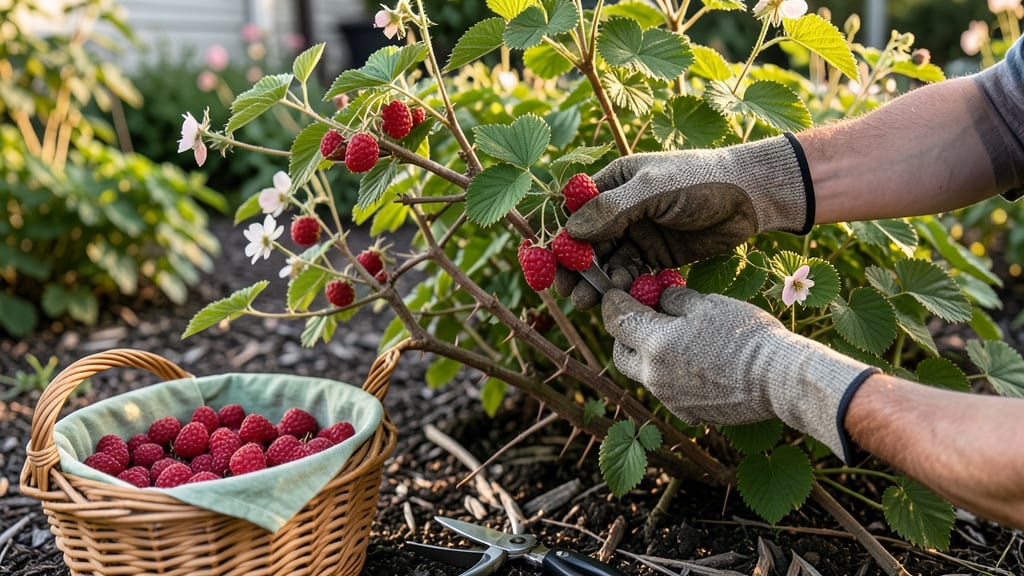
Your raspberry harvest season arrives with a mix of excitement and high stakes—pick too soon and you’re left with tart, underripe fruit, while waiting too long risks losing your crop to birds or rot.
If you’ve ever stared at a cluster of 🍇 raspberries wondering, "Are they ready yet?" you know how easy it is to second-guess the perfect moment. The good news? There are three foolproof signs to take the guesswork out of harvesting—no experience required.
Timing matters more than you think. In USDA Zone 6a, where summer heat and humidity play a role, berries ripen between June and September, but the window can shift by weeks depending on your variety and local climate.
Miss the mark, and you’ll either end up with mushy jam or empty vines.
Below, I’ll walk you through the exact cues to watch for—plus how to stretch your harvest season by a few extra weeks—so you can enjoy the sweetest, juiciest berries your plants have to offer.


3 Foolproof signs your raspberries are ready for harvest
There’s nothing worse than biting into a raspberry that’s still tart and underripe—or worse, watching birds swoop in and snatch your hard-earned harvest before you’re ready. The good news? Determining the perfect raspberry ripeness comes down to three simple but often overlooked cues.
These signs will help you harvest at peak flavor every time, whether you’re growing red, black, or purple varieties. No more guesswork!
The first mistake many gardeners make is relying solely on berry color as their ripeness indicator. While color is important, it’s only one piece of the puzzle.
For example, black raspberries might look deep purple but still be firm to the touch, while red raspberries can appear bright but lack the sweetness of a fully ripe fruit. That’s why combining visual, tactile, and structural cues ensures you’re picking berries at their sweetest, juiciest moment.
Here’s the secret: ripe raspberries should feel like they’re just on the verge of being too soft. Think of it as the "goldilocks zone"—not too hard, not too mushy, but perfectly balanced.
This gentle give is your first clue that the berries are ready. Pair that with a few other easy-to-spot signals, and you’ll never second-guess your harvest timing again.
- 1 Deep, uniform color: Ripe raspberries develop a vibrant, consistent hue—no pale or greenish patches. For red varieties, look for a rich, deep red; for black raspberries, a glossy, dark purple-black. Use this as your first visual check before testing further.
- 2 The 'squeeze test': Gently press a berry between your thumb and forefinger. It should feel firm but slightly yielding, like a ripe peach. If it springs back (too hard) or leaves an indent (too soft), wait another day. Pro tip: Test berries at the top and bottom of the cluster—maturity varies!
- 3 Easy detachment: A ripe raspberry should separate cleanly from the receptacle (the cone-shaped base) with a slight tug. If berries cling tightly or pull away with the stem, they’re not ready. Conversely, if they fall off with no effort, they’re overripe. Aim for a gentle pull that releases the berry effortlessly.
🌱 Bonus tip: Harvest in the morning when berries are coolest and firmest.
Don’t overlook the berry cluster maturity stages—this is where many gardeners miss the mark. Raspberries ripen from the bottom of the cluster upward, so the lowest berries are often ready before the top ones.
To avoid overripe fruit at the base while the top berries lag behind, harvest clusters every 1-2 days during peak season. This staggered ripening is why raspberries produce fruit in multiple flushes throughout summer.
Another pro trick? Pay attention to the receptacle color. As raspberries ripen, the cone-shaped base (receptacle) turns from green to a light tan or brownish hue. This color change signals that the berries are nearing peak ripeness.
Combine this with the other two signs, and you’ve got a foolproof system. For example, if the receptacle is tan but the berries still feel hard, give them another day.
If you’re growing everbearing or fall-bearing varieties, timing becomes even more critical. These types produce two harvests: one on floricanes (second-year canes) in early summer and another on primocanes (first-year canes) in fall.
For the fall crop, watch for new green canes emerging after your first harvest—these will bear fruit later in the season. Harvest these primocanes when they reach the same ripeness cues as the summer crop.
One common mistake is harvesting raspberries when they’re overripe. Overripe berries bruise easily, ferment quickly, and attract pests like fruit flies and raccoons. To test for overripeness, look for wrinkled skin, leaking juice, or a fermented smell.
If you spot these signs, it’s time to harvest immediately—even if the berries aren’t at peak firmness—or they’ll spoil on the plant. A quick harvest of slightly underripe berries is better than losing an entire cluster to rot.
For organic gardeners, timing your harvest also minimizes pest pressure. Birds and insects are less active in the early morning, so that’s the best time to pick. Use harvest baskets with shallow sides to avoid crushing berries, and work quickly to prevent the plant from overheating.
If you’re dealing with raspberry cane borers or other pests, harvest frequently to reduce stress on the plant and remove potential breeding grounds for insects.
Remember, the earlier you harvest, the longer your raspberry plants will continue producing. Once you’ve picked a cluster, new berries will start forming within days. By mastering these three signs—color, squeeze test, and easy detachment—you’ll enjoy a longer harvest season with berries at their absolute best.
Now grab your basket and get ready for the sweetest raspberries of the year!
Best raspberry harvesting techniques to maximize yield
Timing and technique make all the difference when harvesting raspberries. If you pick too early, you’ll end up with underripe, seedy berries that lack flavor. Wait too long, and birds or pests will beat you to it—or the berries will become overripe and mushy.
The key is knowing exactly when and how to harvest for the best results every time.
Start by harvesting in the early morning when berries are cool and firm. This reduces spoilage and ensures you get the sweetest, juiciest berries. Avoid picking in the afternoon when temperatures rise, as this can cause berries to overheat and spoil quickly.
Plan to harvest every 2-3 days during peak season to keep up with production.
⚠️ Pro Tip for Harvesting Raspberries
Use a clean pair of pruning shears or your fingers to pluck berries—never twist or pull the entire cluster. This prevents damage to the fruit receptacle and encourages more berries to grow in the same spot. For large harvests, bring a wide-mouth bucket lined with a plastic bag to keep berries cool and prevent bruising.
When harvesting, focus on fully ripe berries first. Look for berries that are deep in color (red, black, or purple, depending on the variety) and plump but slightly soft to the touch.
If a berry pops off easily when gently squeezed, it’s ready. Leave slightly underripe berries on the plant—they’ll ripen in 1-2 days if conditions are right.
To avoid damaging the plant, always support the cane with one hand while harvesting. This prevents bending or breaking the delicate fruiting canes. If you’re harvesting in bulk, consider wearing gloves to protect your hands from thorns, especially on floricane-bearing varieties like Heritage or Boyne.
After harvesting, handle berries with care to extend shelf life. Store them in a single layer in the refrigerator, not stacked, to prevent bruising. Raspberries last 3-5 days in the fridge when stored properly.
For longer storage, freeze them on a tray lined with parchment paper before transferring to a freezer bag—this prevents them from clumping together.
Finally, don’t forget to prune spent canes after harvest. Cut back the floricane (fruit-bearing canes) to the ground once they’ve finished producing berries. This encourages new primocanes (next year’s fruiting canes) to grow, ensuring a bountiful harvest next season.
With these techniques, you’ll maximize yield while keeping your raspberry plants healthy and productive for years to come. 🍇