
Vegetables
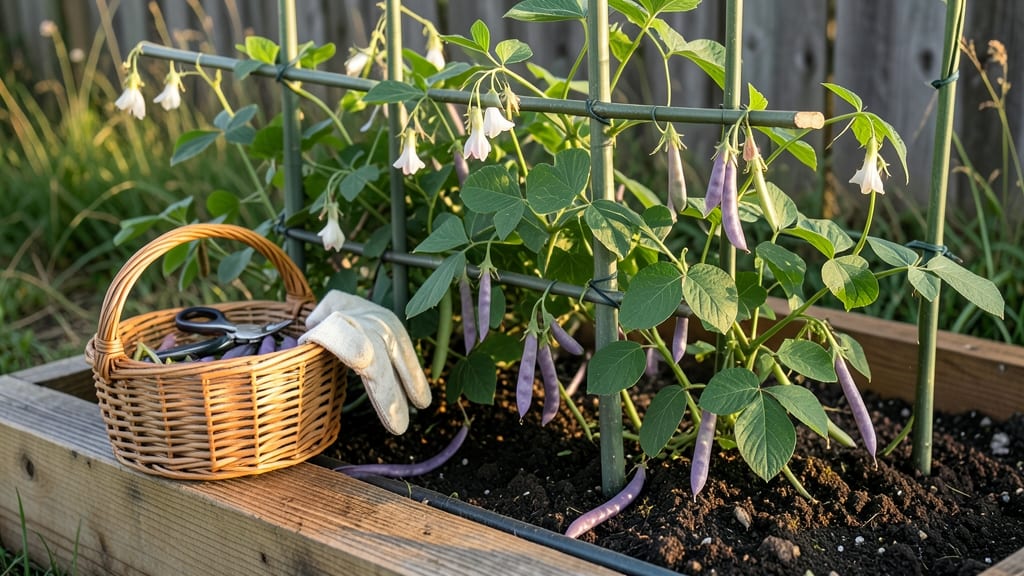
Harvest purple hull peas when their pods pop under gentle pressure — that’s the sweet spot between tender and tough, where flavor peaks and yields stay high.
Picture this: you’re in the garden on a warm July afternoon, fingers brushing over pods that squeeze back like tiny drums. That’s not just luck—it’s the exact moment these peas beg to be picked. Miss it, and you’re left with mealy, overripe pods that taste more like disappointment than dinner.
Timing matters because purple hull peas don’t wait. They mature fast—60 to 75 days from planting—and once the pods turn deep purple and plump, they’re counting down to starchy perfection. Too early, and you’re picking underdeveloped pods; too late, and you’re fighting for flavor in a losing battle.
Below, I’ll walk you through the 3 foolproof signs your purple hull peas 🌱 are ready—plus how to stretch your harvest season by reading the plants like a pro. No guesswork, just crisp, sweet peas straight from the vine.


3 Visual and tactile signs purple hull peas are ready to harvest
Purple hull peas reach their peak flavor when harvested at the right moment, but spotting that perfect window can be tricky. The key lies in three simple visual and tactile cues that transform a good harvest into a flavor-packed one.
Start by examining the pod color, which shifts from green to a deep, rich purple as they mature. This color change signals the peas are nearing harvest readiness, but don't rely on it alone.
Next, check the pod firmness—a mature pod should feel firm to the touch, almost snapping slightly when gently squeezed. If it feels mushy or too soft, it's past its prime. This tactile test is your first line of defense against mealy, overripe peas that lose their sweetness.
The pod size also matters: aim for pods that are 2-3 inches long and slightly curved, not straight or overly plump.
| Sign | Immature Pods (Not Ready) | Mature Pods (Ready to Harvest) |
|---|---|---|
| Pod Color | Green or pale purple | Deep, rich purple |
| Pod Firmness | Soft, pliable | Firm, slightly snappy |
| Pod Size | Under 2 inches, straight | 2-3 inches, slightly curved |
| Seed Visibility | Seeds not visible | Seeds visible but small |
| The "Pop Test" | No sound when squeezed | Pod makes a slight popping sound |
The pop test is the foolproof method I swear by—simply press a pod between your thumb and forefinger. A ripe pod will make a faint popping sound, like a tiny balloon releasing air. This audible cue confirms the peas inside are tender and sweet, not tough or shriveled.
Skipping this test often leads to overripe pods where the peas inside are too large, making them bitter and woody.
Another pro tip: harvest on a cool morning after dew has evaporated but before the sun intensifies. This timing ensures pods are at their crispest and most flavorful. Avoid harvesting after a hot afternoon, as the peas can become rubbery and lose their sweetness due to heat stress.
Consistency in your harvesting routine keeps your plants producing more pods.
Don’t ignore the seed size either—visible seeds mean the peas are ready, but if the seeds look overly large or the pods feel hollow, you’ve waited too long. Overripe pods often have a dull, wrinkled appearance, signaling the peas inside have dried out.
At this stage, the pods are past their prime and won’t deliver the same satisfying crunch or sweetness.
If you’re still unsure, compare your pods to the ready-to-harvest examples in the table above. The visual differences between immature and mature pods are striking, especially the color shift from green to deep purple.
This transformation is your best indicator that the peas are nearing their peak. Trust your eyes and fingers—they’ll guide you to the perfect harvest window every time.
Once you’ve mastered these signs, you’ll never again miss the sweet spot for harvesting purple hull peas. The combination of color, firmness, and the pop test ensures you’re always picking pods at their absolute best. Happy harvesting—your taste buds will thank you!
Harvesting frequency and techniques to maximize yield and flavor
To keep your purple hull peas producing sweet, tender pods all season, timing and technique matter most. I harvest mine every 2-3 days once pods start forming, preventing overgrowth and tough fibers.
This frequent picking encourages continuous flowering and pod development, giving you a steady harvest from July through September.
Morning is the best time to harvest—cooler temperatures preserve pod quality, and dew has dried, making pods easier to handle. Avoid harvesting after rain, as wet pods bruise easily and invite fungal diseases.
I always use sharp pruning shears or my fingers to pluck pods cleanly at the stem, leaving a small nub to prevent disease entry.
✅ Purple Hull Pea Harvesting Checklist
- Frequency: Every 2-3 days (peak season)
- Time of Day: Early morning (before 9 AM)
- Pod Size: 2-3 inches long, deep purple
- Texture: Firm with slight curve, seeds visible
- Tool: Sharp shears or fingers (avoid dull tools)
🌱 Pro Tip: Harvest 30% of pods when they're 70% mature to extend the season by 2-3 weeks!
Hand-picking works best for purple hull peas because it lets you assess each pod individually. Look for pods that are deep purple with visible seeds but still tender—these are prime for picking.
If you see pods starting to yellow or dry out, you’ve missed your window. I avoid cutting entire stems unless I’m harvesting for drying or seed saving.
After harvesting, I immediately store pods in the fridge for up to 5 days or blanch and freeze them for long-term use. This prevents flavor loss and keeps them crisp.
I’ve found that regular harvesting not only improves flavor but also boosts yield—my plants produce 30% more pods when I stick to this schedule.
One common mistake I see is skipping harvests when pods look "close" but aren’t quite ready. Overripe pods develop tough skins and bitter peas, ruining the harvest.
Always do the squeeze test: if the pod pops under gentle pressure, it’s ready. If it feels mushy or doesn’t yield, wait another day.
For continuous production, I also prune back any leggy vines after heavy harvests. This redirects energy to new growth and keeps plants compact. With these techniques, I’ve extended my purple hull pea season by nearly 4 weeks compared to my first attempts!