
How To
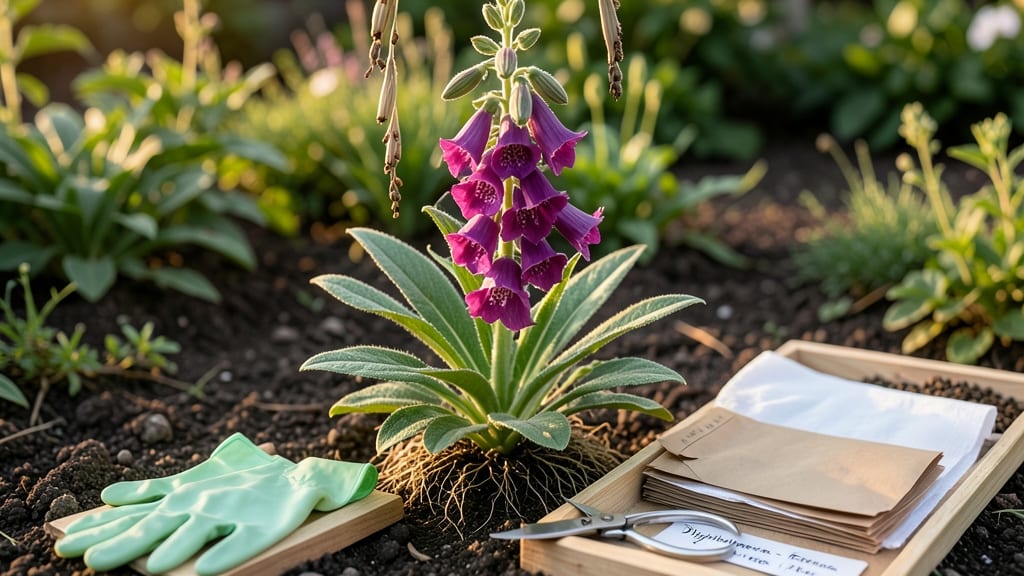
Harvesting foxglove seeds 🌸 requires patience and precision—wait until the pods turn brown and split open naturally, or you’ll miss your chance to grow these stunning plants next season.
Picture this: your garden’s towering foxglove stalks have finished blooming, and those once-green seed pods are now dry and papery. If you harvest too early, the seeds won’t be viable; too late, and they’ll scatter on the wind.
The window is narrow, but the payoff—more foxglove for years to come—is worth it.
I’ve learned the hard way that rushing the process leads to wasted effort. The right timing means collecting seeds when they’re fully mature but before they burst open on their own.
Below, I’ll walk you through the exact steps to identify ripe pods, gently extract the seeds, and store them properly for the highest germination rates.
You’ll also discover how to avoid common mistakes—like letting pods dry on the plant too long—that can ruin your harvest. By the end, you’ll feel confident turning those bell-shaped blooms into next year’s garden showstoppers.


When and how to identify foxglove seed pods ready for harvesting
Foxglove (Digitalis purpurea) transforms from its stunning bell-shaped blooms to seed pods that signal your next growing season. The challenge? Spotting the perfect harvest moment before seeds scatter or pods overripe.
I’ve learned the hard way—wait too long, and you’ll find only empty husks where viable seeds once were.
Timing matters most in late summer to early fall, typically 8-10 weeks after flowering. This window varies slightly by USDA Zone 6a (where foxglove thrives) and local climate. In cooler regions, pods may mature earlier, while warmer areas extend the harvest period into October.
Look for these 3 key visual cues to confirm readiness: pods turning dry brown, splitting seams, and crispy stems. Miss these signs, and you risk collecting underdeveloped seeds that won’t germinate—or worse, losing them entirely to wind or wildlife.
Here’s my foolproof identification guide in one table, so you never miss the harvest window again:
Don’t rely solely on color—texture is your best indicator. Run your thumb along a pod’s seam: mature pods feel dry and papery, while immature ones stay smooth.
I once harvested pods that looked brown but crumbled at the touch—zero viable seeds inside. Always double-check with the sound test.
Seasonal timing shifts with climate variations. In cooler northern zones, pods mature by early September, while southern gardens may extend harvest until October. Pay attention to your local first frost date—foxglove pods won’t survive freezing, so prioritize harvest before temperatures drop below 40°F.
One common mistake I see is harvesting pods that have already split open naturally. While this might seem ideal, the seeds inside are often scattered by wind or eaten by birds. Instead, collect pods just before they crack—they’ll release seeds more cleanly when you gently squeeze them indoors.
For maximum seed viability, harvest on a dry, sunny morning. Humidity accelerates mold growth, so avoid collecting after rain. Lay your harvest on paper towels in a well-ventilated area for 24 hours to dry completely before storage—this prevents clumping and rot.
Remember: foxglove seeds require cold stratification to germinate. Store them in a paper envelope in your fridge’s crisper drawer until spring planting. Label everything—variety names fade fast!
Step-by-step process for collecting and storing foxglove seeds
Now that you’ve identified your foxglove seed pods as ready for harvest, the next step is gentle collection to preserve seed viability. Use clean, sharp pruning shears or scissors to snip pods just above the stem base—avoid tearing the plant.
Work on a dry, sunny day to prevent moisture buildup, which can cause mold. Place pods in a paper bag (not plastic) to allow airflow while transporting them indoors.
Once indoors, lay the pods on a tray lined with paper towels in a warm, dry location (around 70°F). Avoid direct sunlight, which can overheat them. Let them dry for 2-3 weeks until completely brittle.
Listen for a faint rattling sound when shaken—this confirms seeds are fully mature and ready for extraction. Patience is key; rushing this step reduces germination rates.
Step-by-Step: How to Harvest Foxglove Seeds
- Step 1: Collect brown, dry pods using clean shears—cut 1 inch above the stem to avoid damage.
- Step 2: Place pods in a paper bag with airflow to prevent moisture buildup during transport.
- Step 3: Dry pods for 2-3 weeks on a paper-lined tray in a warm, dry spot (70°F).
- Step 4: Gently squeeze pods to release seeds—discard empty husks or damaged seeds.
- Step 5: Store seeds in a sealed envelope with a desiccant packet in a cool, dark place.
✅ Pro Tip: Label your seed packets with the harvest date and foxglove variety for future reference.
To extract seeds, place a dried pod on a clean cutting board and gently squeeze it between your fingers. The pod should split open, releasing dark, plump seeds. Discard any empty husks or seeds that appear shriveled or discolored.
For stubborn pods, lightly tap them with a wooden spoon to coax out the seeds. Never use force, as it can damage the delicate seeds.
After extraction, store seeds in a small envelope or airtight container with a silica gel packet to absorb excess moisture. Keep them in a cool, dark location (like a refrigerator) where temperatures stay between 35-45°F.
Foxglove seeds remain viable for up to 3 years under these conditions, though germination rates drop after 1 year. For best results, sow seeds outdoors in fall or stratify them in the fridge for 4-6 weeks before planting.
If you’re unsure about seed viability, conduct a simple germination test before storing long-term. Place 10 seeds on a damp paper towel in a sealed bag and keep them in a warm spot for 2 weeks.
Count how many sprout—aim for 70% or higher for a healthy seed batch. This test helps you decide whether to plant immediately or store for later.
Remember, foxglove is toxic, so handle seeds and pods with care—especially if you have children or pets. Wear gloves during extraction to avoid skin contact with sap.
Store seeds in a locked cabinet if children are around. With proper care, your harvested seeds will grow into stunning foxglove plants next season!